Ever wonder if a little hope can boost your investments? In a market that twists and turns like a roller coaster, investors lean on a burst of positive energy when they take risks.
Big companies are still posting strong results, and traders jump on fast shifts in stock prices. Each move is like a brief gust of wind, exciting and hard to predict.
This post shows how a wave of confidence is shaping market trends. Even when things seem uncertain, a bit of optimism can drive money in surprising ways.
Key Drivers Shaping the Stock Market Today
This year, the market feels more up and down than usual. Big U.S. companies are trading at high prices, which adds a layer of uncertainty. Shares rise one minute and drop the next, driven by investors changing their minds quickly. Many traders are riding the thrill of risk, whether they use low-cost brokers or large funds. The market now feels like a buzzing ride where even a small shift in prices can change investment plans. Think of it as a roller coaster with twists and turns that keep you on your toes.
Tariff talks (which are about taxes on imports), strong earnings from tech giants, and the Fed’s (Federal Reserve, which sets interest rates) approach to rates all work together to shape current trends. Investors are getting cautious even as companies like Tesla, Meta, Microsoft, Apple, Amazon, Alphabet, and NVIDIA post strong results. Yet, worries over more spending on AI (computer programs that mimic human thinking) are causing some pause. Bond yields remain high despite slight drops, so traders are gearing up for only small changes before June. These trends have everyone listening closely to global economic news.
- Uncertain tariffs that could change global trade
- High interest rates that might slow growth
- Big tech profits mixed with worries over AI spending
- Shifts in consumer confidence and retail numbers
- Global tensions and breaking news
These are the main forces driving today's market moves.
Economic Indicators Steering Market Moves

Interest rates and bond yields are like the heartbeat of today's market. Higher rates make investors worry about slower growth, while government bond yields stay high, even if they've dipped a bit recently. Some traders take a pause because of the cost hikes, but there's still a spark of hope as markets adjust and factor in these signals. Bond yields really set the mood, pushing riskier assets up or down as investors weigh the current money scene.
Inflation is still a hot topic, with CPI and PCE numbers staying above targets, which means prices continue to push upward. At the same time, retail sales and consumer confidence are cooling off, hinting that people might be spending less. For a simple guide on reading these numbers, take a look at what is market analysis (a step-by-step look at key market data). Even when caution is in the air, many traders believe that these numbers will eventually lead to a balanced market and fresh growth.
Traders are watching these economic signs closely as they plan their moves. They mix interest rate updates, inflation reports, and consumer confidence clues to decide the best moments to enter or exit the market. It's a bit like reading the room, you know there are challenges now, but there's also a feeling that things will turn around soon.
Corporate Earnings and Tech Sector Impact on the Stock Market
In Q4 2024, big players like Tesla, Meta, Microsoft, Apple, Amazon, Alphabet, and NVIDIA beat forecasts and posted higher margins than before. Analysts noticed that their efficiency improved from Q3, suggesting these companies remain strong even when the overall market feels a bit cautious. For example, Tesla boosted its margins by almost 5% compared to Q3, a shift that took many seasoned investors by surprise.
This quarter, AI project costs got a fresh look. China’s DeepSeek model was built for much less than expected, almost like finding a gourmet meal on a budget. Analysts say its cost-saving approach stands apart from past expensive cycles, urging a rethink of long-term tech investments.
These mixed signals are pushing investors to fine-tune their portfolios. Many are shifting funds into market segments that look more promising, balancing between growth areas and safer bets based on the latest performance trends. One investor mentioned that after reviewing Q4 trends and historical data, they moved part of their portfolio into sectors with better pricing advantages.
Geopolitical and Trade Policy Shifts Fueling Market Action

U.S. and China discussions about tariffs are a hot topic that can change market moods. These talks make investors feel uneasy about long-term profits. Lately, debates between these nations have left many unsure about future costs, so companies and traders find it hard to plan. In one meeting, a big investor mentioned that one simple comment about tariff changes shifted market expectations almost instantly. This keeps everyone on their toes as they try to weigh the risks of new policies.
Export controls and chip shortages add more challenges. Controls on high-tech goods raise worries about keeping a steady supply of key parts. These issues slow down the flow of products around the world. When production needs for electronics aren’t met, stock prices can swing until the market finds its balance.
Industrial and materials stocks feel these changes too. New trade policies, even tighter rules from the EU, are causing short-term ups and downs in these sectors. Companies that make industrial goods see brief price shifts as they face higher costs and slower shipments. All these factors mix together to give the stock market a lively, ever-changing beat.
Fed Policy and Interest Rate Impact on the Stock Market
The Fed has held its key rate steady between 5.25% and 5.50% since December 2024, and there’s no change expected until June 2025. They keep a close eye on important numbers like inflation and jobs data before making a move. Even though Treasury yields have dropped by about 20-30 points from their recent highs, they still stay on the higher side. This careful balance of steady policy and clear, data-based signals keeps traders ready for every new update.
- December 2024 rate hold and messaging – Investors feel more at ease with the Fed sticking to its current plan during uncertain times.
- Dot-plot projections for 2025 rate cuts – Experts predict only a few small cuts, so the market stays watchful.
- Changes in Treasury 10-year yields and equity correlations – A small dip in yields can influence fast-growing stocks, hinting at subtle shifts.
- Fed commentary on inflation and labor market readings – Focusing on these numbers shows how much the Fed relies on up-to-date economic data.
Investors are listening carefully to every word from the Fed, ready to adjust their plans based on each statement. Watching these policy signals helps shape quick trading moves and builds a steady sense of hope in today’s market.
Investor Sentiment, Volatility Indices, and Market Psychology
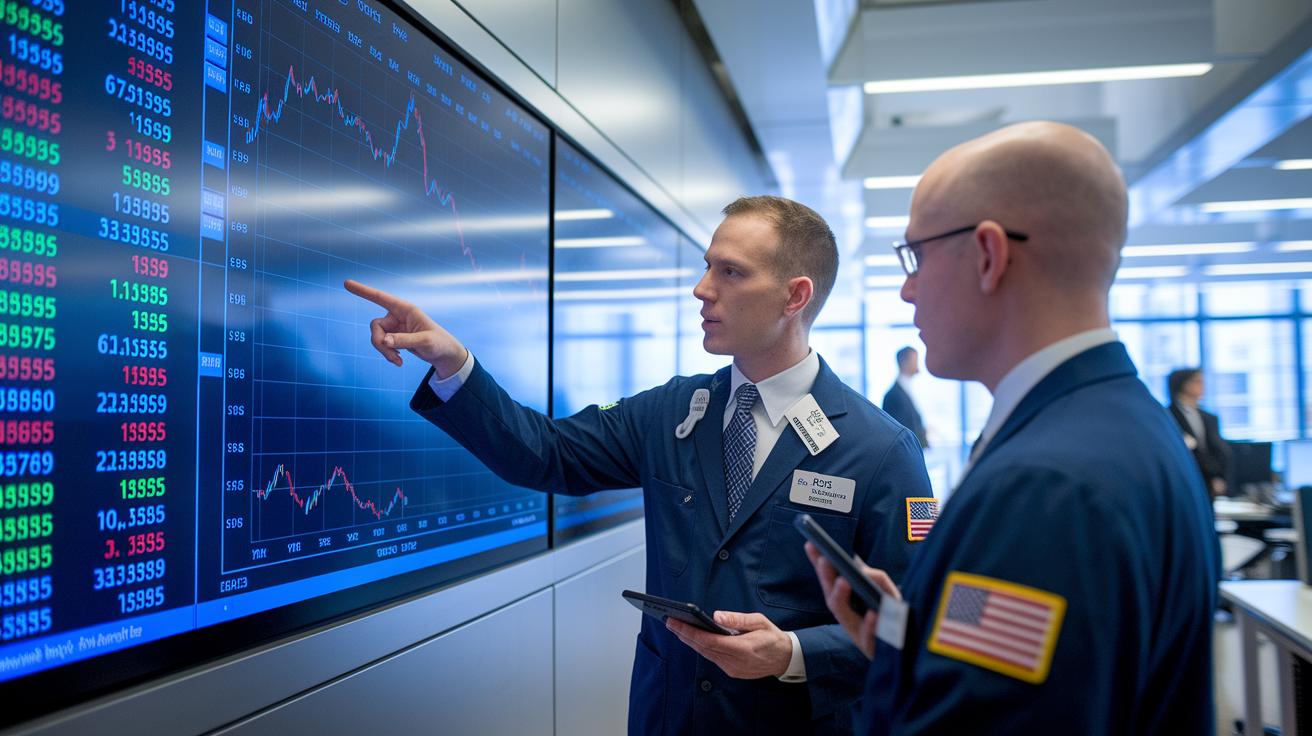
The market’s mood is tracked by simple signals like the VIX, which in 2025 has been steady around 20 to 22, up from last year's low of 15. The VIX (a tool that shows how much the market might swing) acts like a weather report for traders. Other hints, like put/call ratios and surveys comparing regular and big investors, back this up. Recent surveys even show that everyday investors are feeling pretty bearish, reaching levels we haven’t seen in years. This gap between nervous retail views and the calmer stance of big institutions is a clear sign that risk appetite is shrinking. Imagine a weather report warning of storms well in advance, that’s what rising VIX readings and these surveys do for traders.
When market feelings shift fast, investors can quickly back away from riskier choices. Analysts note that when headlines turn negative, the market can change direction almost instantly, like a sudden downpour on a clear day. Even a small piece of news can make traders rethink their positions almost immediately.
Outlook: Emerging Trends and Strategies in Today's Stock Market
Analysts are predicting that the S&P 500 might grow by a few percentage points in 2025. Even though the big economic numbers are a mixed bag, most investors are keeping an eye out for steady gains, assuming nothing major shifts in policy. Lately, during earnings season, many folks have started switching from chasing pure growth stocks to looking at value and dividend-paying ones. They’re balancing a cautious vibe with a keen interest in hot trends like AI (tech that mimics human thinking) and green energy (clean power solutions). It’s a clear sign that many are leaning toward safer, defensive plays while picking a few growth opportunities here and there.
Investors are now mixing up their portfolios. They’re combining stocks known for holding steady in rough times with those that have exciting upside potential. In simple terms, they’re balancing steady income from trusted sectors with the promise of emerging industries. Many traders mix dividend-paying stocks with fresh, innovative investments to spread out risk and catch long-term trends. This smart, flexible approach helps build a resilient portfolio that can adjust as market trends shift.
Final Words
In the action of today’s market shifts, we explored forces like high valuations, uncertain trade policies, tech earnings surprises, cautious Fed moves, and changing consumer trends. Each factor paints a clear picture of how market participants adjust their strategies.
These insights tie together to reveal what is driving the stock market today. Keep experimenting with practical tools and innovative techniques as you build confidence and master your trading strategy.
FAQ
Why is the stock market going down today?
The stock market going down today means worries over high valuations, tariffs, and elevated interest rates are reducing investor confidence and causing increased market volatility.
What happened on the stock market today?
The stock market today saw fluctuations driven by tariff uncertainties, cautious tech earnings, and global economic concerns, which led to mixed trading trends and shifting investor sentiment.
What is driving the stock market today?
Driving factors include tariff uncertainty, elevated interest rates, mixed Big Tech earnings, consumer confidence changes, and ongoing geopolitical tensions that together shape today’s market moves.
Should a 70-year-old get out of the stock market?
The idea that a 70-year-old should exit the market means weighing personal risk tolerance and retirement needs; many advisors favor adjusting exposure instead of a complete market exit.
What is the 3-5-7 rule in the stock market?
The 3-5-7 rule in the stock market refers to a set of guidelines used for technical analysis and risk management, offering advice on entry, exit, and position-sizing strategies.