Have you ever noticed how some traders seem to predict market shifts even before the rest of us catch on? With pulse indicators, you get live updates straight from actual trades, giving you a front-row look at market movements. Think of it like a heartbeat monitor for the market, where signals come from the real trading volume (the total amount of assets traded). In this article, we’ll explore how these indicators work and how they can boost your trading approach by highlighting subtle changes in market sentiment. It’s a fresh, straightforward tool that might just give you that extra edge.
Pulse Indicator Fundamentals for Forecasting Market Movements

The pulse indicator gives you live, real-time data straight from actual trades. NinjaTrader Pulse gathers current traded volume from its users and updates its gauges every second, offering you a clear look at market trends without any delay. Think of it like having a direct line to the market's heartbeat. Before this tool was around, many traders had to depend on forecast-based systems that only provided an estimated picture of the market rather than showing what was really happening.
At the core of NinjaTrader Pulse are pressure gauges that compare the average long and short prices on key instruments. By zeroing in on the top 10 futures contracts such as CL, MCL, ES, MES, GC, MGC, NQ, MNQ, YM, and MYM, it captures the bulk of market volume and produces strong signals about market rhythm. For example, if you see a gauge quickly shift towards bullish sentiment because the average long price keeps topping the average short price, it provides near real-time insight. This kind of information is vital for spotting both quick opportunities and longer-term trends.
What really sets pulse indicators apart is that they use data from executed trades instead of relying on estimates. This means their constant updates capture the market's current dynamics, allowing traders to adjust strategies on the fly. Picture it like monitoring a heartbeat; each pulse reflects the market's current state just as a meter records the energy of a live trading session.
When you integrate these signals into your trading decisions, you're looking at more than just numbers. For instance, consistent gauge readings above a certain level could suggest a strong upward trend, while a drop might hint at a coming downturn. This method makes pulse indicators a dynamic and reliable tool for forecasting market movements.
Technical Mechanics of Pulse Indicators in Chart Analysis
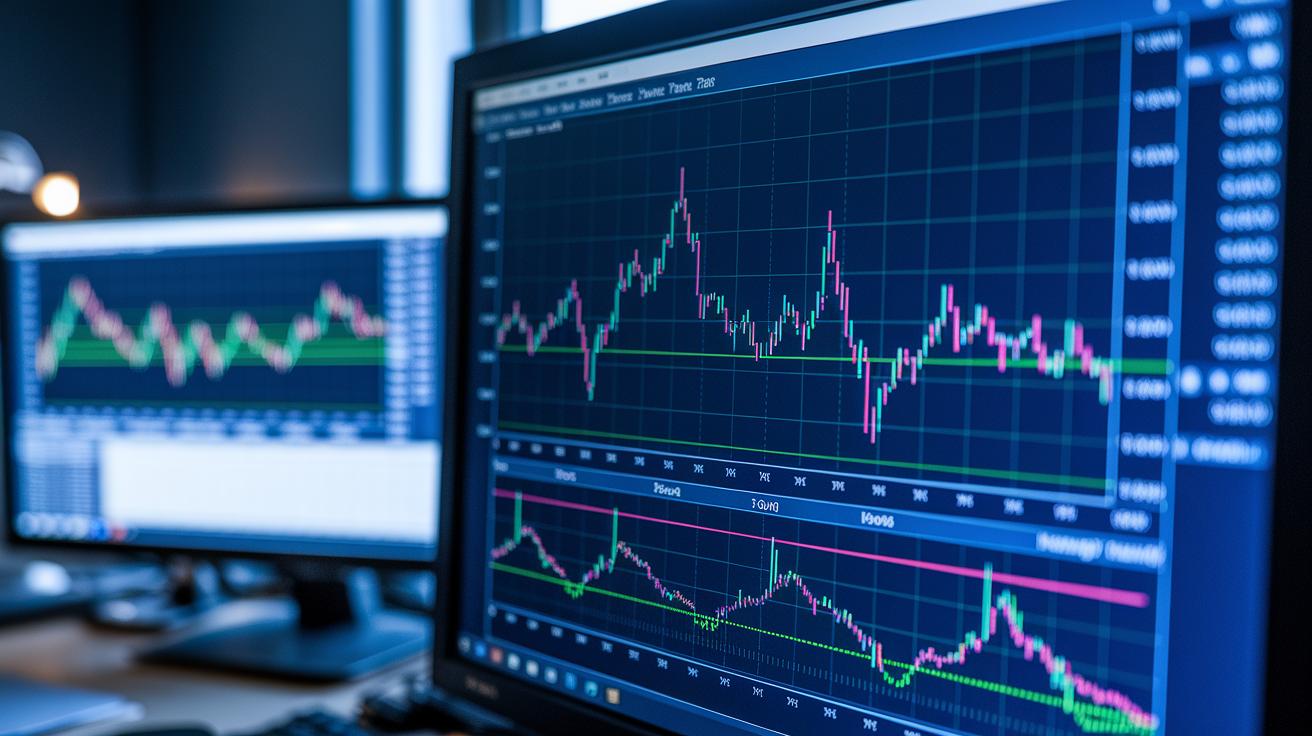
Pressure gauges in pulse indicators work a lot like oscillators. They tell you the difference between long and short trade volumes on key instruments by updating every second. Have you ever seen something flip quickly? Picture a gauge that turns bullish in just one second because the average long volume beats the short trades, it's a bit like watching a thermometer spike when the heat rises.
Top-instrument selection is a big deal in these methods. By zeroing in on contracts like CL, ES, GC, NQ, and YM, the indicator relies on a statistically significant group of traded volumes. This way, even the smallest shifts in the market get caught, much like picking up a whisper in a busy room.
Rapid jumps in gauge values signal potential volatility and can point to either a breakout or a trend reversal. When a gauge suddenly shifts from bullish to bearish, many traders see that as a sign the trend might change. The raw volume data is then converted into a standard oscillator scale, making it simple to overlay these findings on your charts when you're eyeing volatility.
Normalizing the data not only makes the readings easier to understand, it streamlines frequency-based analysis so traders can quickly add these signals to their charts. This constant update, every single second, is what makes these gauges so valuable in capturing the pulse of the market.
Interpreting Pulse Signals for Trend Anticipation

Looking at live pulse readings might completely change the way you spot trends. Basically, if the gauge sits above a set middle point, it hints that buyers are in control. Conversely, if it falls below the mark, selling pressure starts to take hold. Picture a trader who sees the gauge move to 0.6 and thinks, "This might be a good time to buy," while a dip to 0.4 could signal it's time to tighten up or exit a position.
You can mix how the price acts with volume signals to get a clearer market picture. Sometimes, the price might stay steady even when the gauge makes big moves, which could hint at an early reversal. Imagine the pulse on ES futures rising and confirming that momentum is spreading across related instruments. And if the NQ pulses suddenly shift to a bearish tone, it might warn of upcoming downward pressure, even if the price hasn’t fully caught on yet.
Pairing pulse readings with classic indicators adds an extra layer of confidence. When you bring in breakout levels, support/resistance zones, or even candlestick patterns, your entries and exits become much clearer. Many traders have found that blending these signals really helps confirm real-time decisions.
Here's an interesting tidbit: a savvy trader once noticed that while the price was stable, the gauge was falling, a key sign that led them to exit just before a sharp decline.
predicting market movements with pulse indicators: Bold Edge
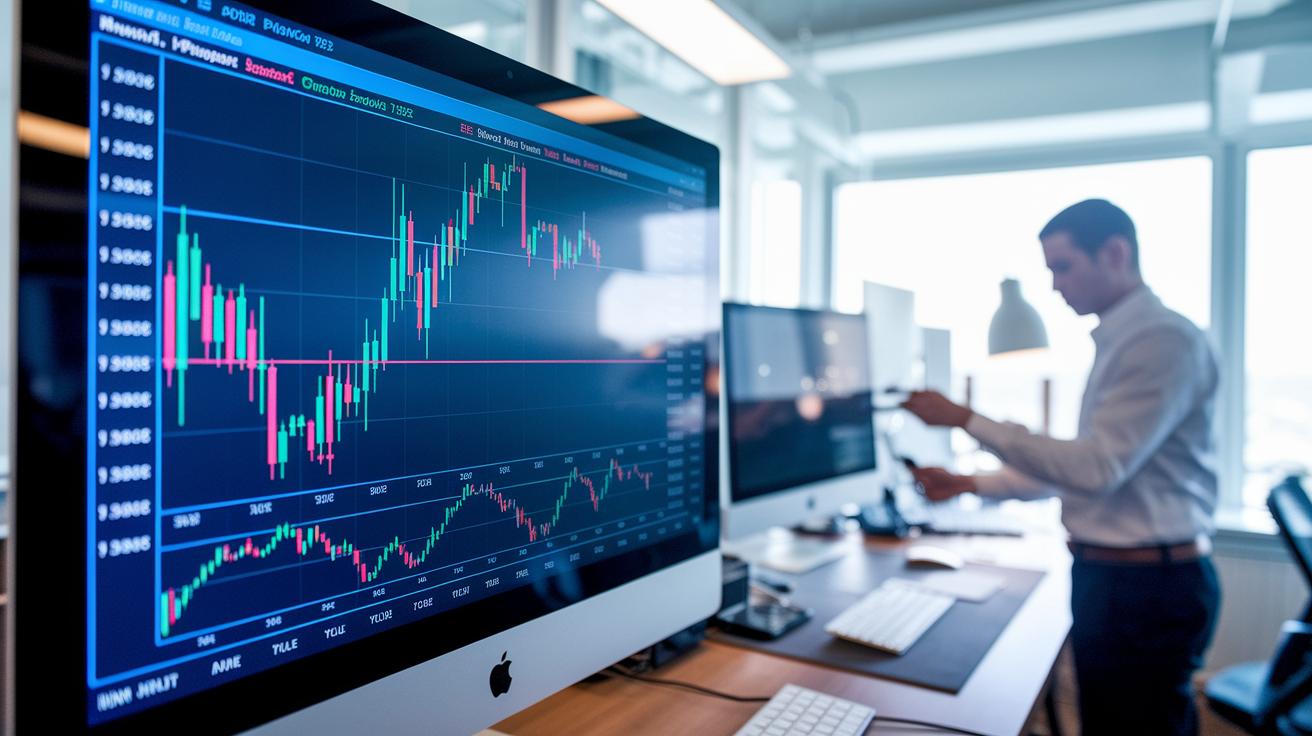
NinjaTrader Pulse is a free tool available for both NinjaTrader and Tradovate account holders on web and mobile. It lets you add pulse gauges to your free trading charts so you can watch market behavior as it happens. Simply link the pulse indicator with your current order-flow tools so you can see live trade executions alongside market sentiment.
Then, you can adjust your instrument lists and gauge sensitivity to match your trading style. If you trade within the day, you might want the gauges to react faster with a lighter touch. A quick tweak like this can be the key to catching a swift upward surge instead of missing it. Imagine setting the gauge to update more frequently during busy market periods so that even a one-second tick gives you a prompt signal.
You can also combine these live pulse signals with trusted technical tools. Mix the pulse readings with Fibonacci pivots, volume profile, and VWAP to form a layered confirmation system. It’s like placing a transparent grid over a moving map to clearly mark where shifts occur.
The real-time feed from NinjaTrader Pulse is crucial for rapid execution. It refreshes every second to keep pace with market changes, which helps both manual traders and algorithmic systems stick with live momentum and make timely decisions.
Key features:
- Adjust instrument lists and sensitivity.
- Combine with order-flow tools and overlay charts.
- Merge pulse signals with Fibonacci, volume profile, and VWAP.
This setup brings live pulse data into your trading strategy effortlessly, blending careful manual oversight with automated precision.
Market Case Study: Pulse Indicator in Action
Traders, whether just starting out or seasoned pros, are using real-time pulse signals to guide their decisions in the market. New traders rely on tools like the NinjaTrader video library and live trading sessions from 9 AM to 12 PM ET to catch early signs of momentum shifts. It’s almost like watching a live heartbeat of the market, where the pulse indicators react instantly and help build confidence through clear observation. One trader said, "When I saw the ES futures gauge spike, I linked that to the live session insights and adjusted my entry."
Experienced traders, however, lean on automation. They set up their systems to trigger orders when the pressure gauges hit preset levels. This means they compare different signals to form clear trade alerts. For example, if the overall mood on ES and NQ futures lines up with big moves in major stock indexes, it signals that the market might keep moving in that direction. These pros then feed these insights into their algorithms, which streamlines their trade execution for better timing and precision.
Below is a table that compares how different types of traders use these pulse indicators and what results they see:
| Trader Profile | Application | Outcome |
|---|---|---|
| Beginner | Uses live sessions and tutorials to learn market rhythms | Better timing and smarter strategy development |
| Intermediate | Mixes real-time visual signals with manual chart checks | More confident trading decisions and improved risk control |
| Professional | Relies on automated algorithms triggered by gauge spikes | Smoother entry and exit timing with sharper trade precision |
All these examples show that pulse indicators work for every trader profile. They provide clear, real-time insights that help predict market moves and make well-timed trading decisions.
Optimizing and Backtesting Pulse Indicator Models
Backtesting involves using past volume and price data to see how well your pulse model might predict future market moves. It’s like giving your indicator a test drive through time. Imagine a trader reviewing two years of historical data to check if the pulse readings would have successfully forecasted market shifts. Last summer, one trader boosted his model by comparing past volume surges with price changes, sharpening his strategy by 20%. This hands-on approach builds trust in your forecasts while uncovering both strengths and flaws.
Calibration is equally crucial. It means adjusting your threshold bands to cut down on false signals and better mirror current volatility levels. Picture a trader tweaking the long-signal threshold from 0.6 to 0.65 during a stormy market period. These small changes help the model stay sharp whether the market is calm or hectic.
Machine learning methods like decision trees (a way to break down data into simple, clear choices) can also be added to the mix. These tools refine the indicator by learning from the patterns found during backtesting. It’s much like teaching your system to notice subtle market cues over several trading sessions.
Integrating stop-loss tests and position-sizing rules rounds out the process, helping assess the model’s risk-adjusted performance. By running these with historical data, you get a clear picture of potential pitfalls and advantages, ensuring that the strategy holds up not just on paper but also when the markets are live.
Remember, past results don’t guarantee future performance. Blending backtesting and calibration with solid market analysis is key to crafting reliable short-term forecasting models and advancing your algorithmic strategies.
Final Words
In the action, we explored how pulse indicators work to bring live market sentiment into view. Each section broke down gauge fundamentals, technical mechanics, trend interpretation, and smart integration into trading setups. Real-world examples and backtesting insights brought theory to practical strategy, making it easier for you to refine your investment approach.
With these insights and easy-to-follow steps, you're set for predicting market movements with pulse indicators, leaving you confident and ready for a positive trading experience.
FAQ
How do you predict market movement?
Predicting market movement relies on real-time pulse indicators that analyze executed trades. This approach measures actual traded volume and compares long versus short prices, helping traders gauge current market momentum.
What is the market pulse indicator?
The market pulse indicator is a tool that tracks live trade activity by measuring volume differences between buyers and sellers. It refreshes every second to reflect current market momentum and trend signals.
What is the 10 am rule in stocks?
The 10 am rule in stocks refers to the observation that by 10 am, market activity typically stabilizes. This rule provides traders with a clearer snapshot of the day’s trend after the initial trading rush.
Which trading indicator is most accurate?
The accuracy of any trading indicator varies with market conditions and strategy. A pulse indicator that integrates real-time volume data with technical analysis can offer precise insights, aiding traders in making informed decisions.