Ever thought about trying out complex trading strategies without putting your money on the line? Paper trading gives you a safe place to practice. It lets you mimic real trades on paper or on a simulated platform.
Think of it like a dress rehearsal. You get to sharpen your decision-making skills without the fear of losing cash. Every move you write down helps you feel the market’s rhythm and improves your approach little by little.
In this article, we’ll chat about how this simple, risk-free practice can boost your confidence. Whether you’re new to trading or you already know a bit about it, paper trading can help you learn and grow.
Key Paper Trading Benefits for Risk-Free Learning
Paper trading is a smart way to practice trading without using real money. Instead of risking cash, you record your buy and sell decisions on paper or a virtual platform. This lets you explore different ideas and strategies in a safe space, like trying out a training course before the real deal.
It’s a great chance for you to test methods like straddles, spreads, covered calls, puts, and calls. For instance, Alex once used virtual funds to try a breakout strategy, making sure not to lose any money, even when the market got wild. This kind of hands-on practice helps both newbies and seasoned traders build real confidence while perfecting their techniques.
Using educational simulation tools means you can look back at each trade and tweak your approach as needed. Imagine testing a new way to enter the market during a period of high activity and still feeling secure because you’re not risking a cent. This low-pressure environment can lead to clearer, more thoughtful decision-making and a better grasp of how markets behave.
Plus, keeping track of simulated trades over time builds discipline and sharpens your skills. You log every decision, see what works, and learn where to improve. Tools like the tradingview paper trading platform come with handy charting features that make this learning experience even more practical and risk-free.
Paper Trading Benefits Versus Live Trading Challenges
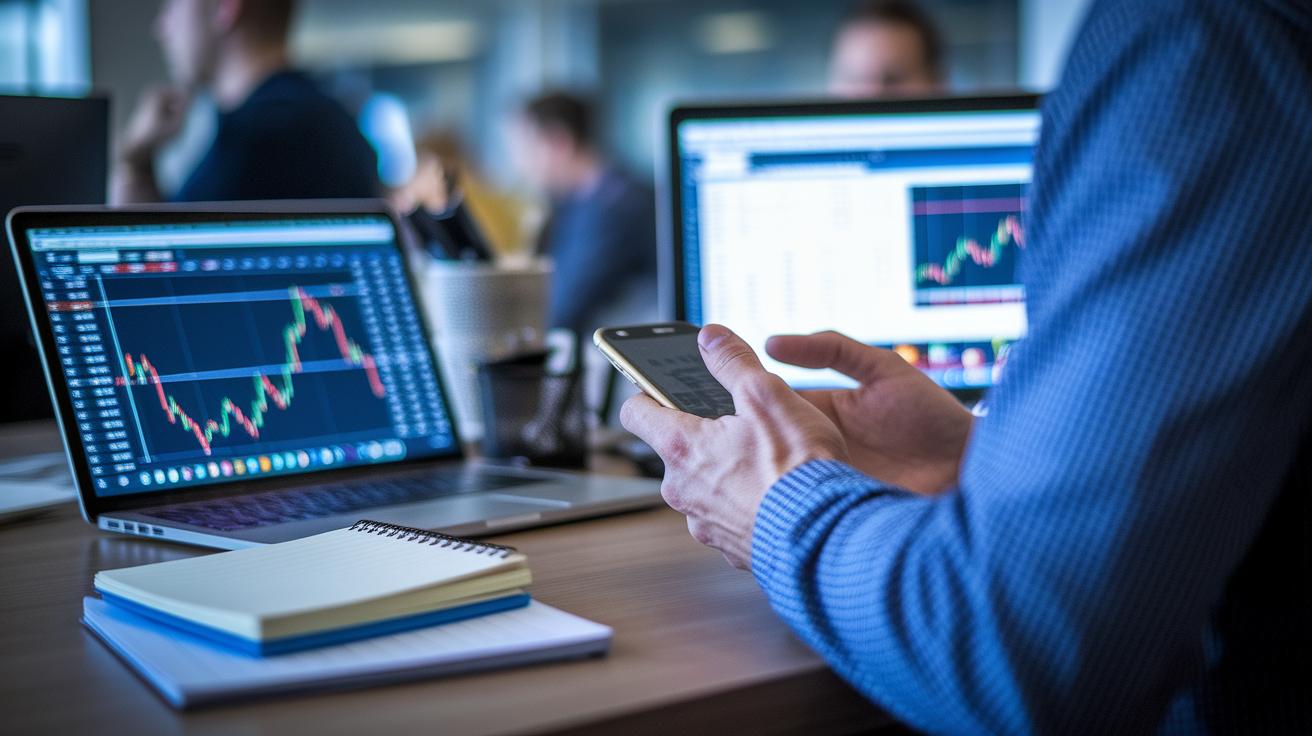
Paper trading gives you a chance to experience the market without any real risks. It lets you try out trades and build good habits without worrying about commissions, slippage, or the heavy pressure that comes with using actual money. Imagine setting up a small simulation where you jot down every decision you make. It feels a lot like real trading, but without the financial stress.
Demo platforms often use real-time quotes to fill orders, which means you see market data immediately. Sometimes, even these simulations can stir up the emotional ups and downs you’d feel when risking real cash. Paper trading skips those distractions, letting you concentrate on sharpening your trading ideas and tracking your progress calmly.
Another key benefit is that it helps you see what really works. By focusing on just the trading method and ignoring extra costs, you can better figure out which strategies might succeed when you’re trading for real. This step-by-step learning builds a solid foundation, giving you confidence as you move towards making live, real-money decisions.
Leveraging Paper Trading Benefits for Strategy Refinement
Paper trading is a safe way to test and fine-tune your strategy before using real money. Instead of just keeping basic records, you can track advanced stats that mix risk and reward. For example, you might look at the Sharpe Ratio (a tool that compares your returns to the risk you take) and the Sortino Ratio (which focuses on losses only). When I played with a breakout strategy, a Sharpe Ratio of 1.5 showed that my tweaks were working, my entry adjustments for lower volatility made a real difference.
Keeping a detailed log is key to spotting small patterns that matter. Track numbers like your win rate (how many trades end up in profit), average trade length, and maximum drawdown (the biggest drop from peak value). These details help you see if your buy and sell signals work well across different market moods. Consider these important metrics:
| Metric | Description |
|---|---|
| Sharpe Ratio | Shows risk-adjusted returns compared to a safe asset |
| Win Rate | Keeps track of wins versus total trades |
| Maximum Drawdown | Highlights the steepest dip from a high |
By focusing on these clear numbers and fresh analysis methods, paper trading can evolve into a smart and sophisticated tool. It’s like practicing your moves before the big game, so you’re ready for live trading with confidence.
Paper Trading Benefits for Building Discipline and Confidence

Paper trading becomes a real learning tool when you add timed discipline drills. After every trade, give yourself two minutes to jot down what happened and how you felt. You might write something like, "Got rushed at the start, next time I'll take it slow." This quick self-check builds a habit of honest reflection and helps you make better calls when things heat up.
Set up a clear trade checklist to review each simulated trade. Here’s a simple method:
| Step | Action |
|---|---|
| 1 | Jot down trade details within two minutes after you trade. |
| 2 | Note your feelings and any second thoughts. |
| 3 | Review your checklist later to spot any patterns. |
This method isn’t just about ticking boxes. It also sharpens your self-awareness and turns paper trading into a real prep stage for live trading.
Selecting Demo Platforms to Maximize Paper Trading Benefits
Choosing a demo platform can really boost your practice trading before going live. It’s like a dress rehearsal for the real market. You get to try out strategies in an environment that acts a lot like live trading. For example, Interactive Brokers works in 34 countries and offers 27 currencies. Thinkorswim by TD Ameritrade provides advanced studies and helpful indicators, while E*TRADE features handy stock screeners and research tools. And don’t forget Webull, which makes commission-free trading possible. Each of these platforms gives you a taste of the real thing and even throws in useful tools to help you learn more along the way.
A solid demo platform gives you real-time market data, works on mobile devices, and provides clear tutorials. Imagine testing a strategy on a tool that updates every second, with charts so clear they almost feel like you’re right there on a busy trading floor. That kind of immersive simulation brings you one step closer to real market excitement.
| Platform | Key Features |
|---|---|
| Interactive Brokers | Global access, diverse assets |
| Thinkorswim | Advanced studies, technical indicators |
| E*TRADE | Stock screeners, research tools |
| Webull | Commission-free, mobile trading |
By trying out different strategies on these platforms, you build your confidence and gather key insights. It’s like having a mentor by your side as you learn the ropes of live trading. Enjoy the process and keep exploring!
Best Practices to Optimize Paper Trading Benefits
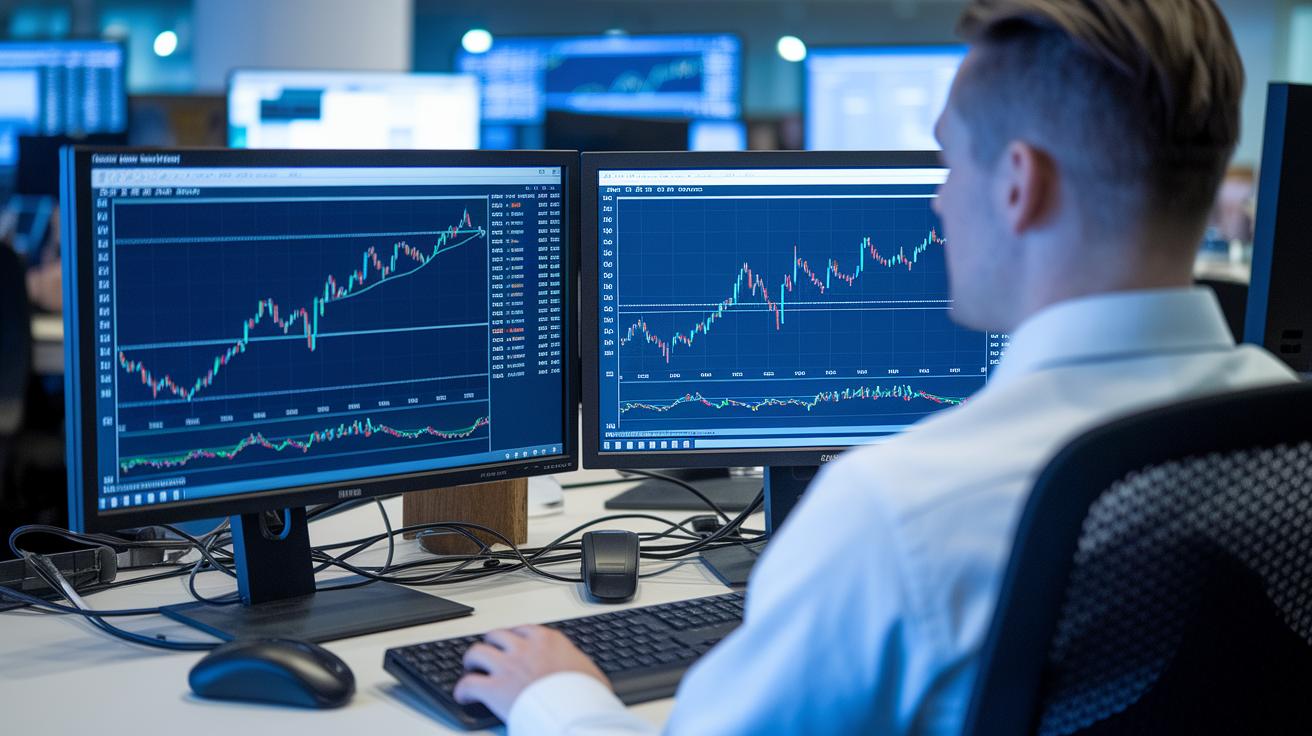
Take your paper trading to the next level with smart tweaks that go beyond the basics. Try testing small changes in your order timing (that is, the exact moment you execute a trade) to see which method produces a better simulated outcome. I once noticed that adjusting my entry time improved my simulated return by 15%. It clearly showed me which tactic to fine-tune.
Pay attention to more than just the basics by tracking extra details for every simulated trade. Instead of only jotting down simple data, watch how variations and benchmarks change. Here are a few friendly tips:
- Change your starting capital in small steps to see how different market conditions might affect your simulation.
- Compare different versions of your strategy by keeping track of things like how long each trade lasts and how quickly you react to market shifts.
- Check your records regularly, adding new details like how market ups and downs (volatility) and simulated fees impact your trades.
Using a detailed trade log like this can really help you see the full picture:
| Aspect | Metric |
|---|---|
| Entry Timing Variation | Compare results in seconds and returns |
| Strategy Version | Old method vs. new approach outcomes |
| Adaptive Cost Impact | Simulated fees vs. market ups and downs |
Final Words
In the action, we explored how simulated trade environments let traders plan, test, and fine-tune their strategies with zero financial risk. The post walked through making informed choices on demo platforms and highlighted techniques to build discipline and confidence. You gained insights into setting measurable goals and reviewing results to ensure readiness for real trades. Embracing paper trading benefits today can set the stage for smoother transitions into live trading. Keep experimenting, learning, and growing as you master your innovative trading techniques.
FAQ
Q: What are the benefits of paper trading?
A: The benefits of paper trading include a risk-free way to practice trading, test strategies, build discipline, and gain familiarity with market conditions without using real money.
Q: How does paper trading help beginners?
A: The benefits for beginners are that paper trading offers a safe practice space to experiment with strategies, record trade decisions, and learn market dynamics before risking actual funds.
Q: Is paper trading considered real money trading?
A: The impact of paper trading is that it uses virtual funds to simulate trades, meaning it is not real money trading and does not involve actual financial risk.
Q: What is the 90% rule in trading?
A: The benefit of the 90% rule in trading is that it sets a performance benchmark for strategies, suggesting a target of achieving steady gains, which helps traders assess their readiness for live markets.
Q: Can money be earned from paper trading?
A: The benefit of paper trading lies in skill building, not direct profit, as it allows traders to refine their strategies without earning real money from simulated trades.
Q: What are some popular paper trading apps or platforms?
A: The benefit of using popular apps like TradingView, Thinkorswim, Webull, and Interactive Brokers is that they offer real-time market data, simulation tools, and educational resources to mimic live conditions.
Q: Why might a trader perform better in paper trading?
A: The benefit of paper trading is that it removes emotional pressure, commissions, and slippage, giving traders a clearer view of their strategy’s effectiveness without real-money stress.
Q: What disadvantages are associated with paper trading?
A: The impact of paper trading disadvantages is that it lacks the real emotional commitment and some market factors like commissions, so it may not perfectly mirror the live trading experience.