Have you ever thought about putting all your important data in one system? Many people assume every ledger works the same, but that's not really true. Imagine a single notebook where one person writes down every transaction versus a shared notebook that lets several people record their entries side by side. A digital ledger managed by one controller can be simple to update. But a distributed ledger (a digital ledger that spreads data among many parties) boosts security by having multiple hands on deck. Today, we'll look at both systems and help you decide which option fits your needs best.
Digital Ledger vs Distributed Ledger: Clear Tech Choice

A digital ledger is like a single digital notebook where one main authority records every transaction. This one-stop approach makes updates and audits easy and efficient while keeping everything secure. Fun fact: early banks used these ledgers to follow every transaction with remarkable clarity.
On the other hand, a distributed ledger spreads copies of the data across several nodes, so every participant holds their own version of the records. This means multiple parties can update the ledger at the same time, which builds trust and avoids relying on a single point. One popular type of distributed ledger is blockchain (a digital ledger where data is stored in linked blocks and secured by cryptography), though there are other models too. In fact, many modern payment systems use distributed ledgers to keep data consistent around the world.
| Feature | Digital Ledger | Distributed Ledger |
|---|---|---|
| Structure | Centralized repository | Replicated across multiple nodes |
| Access | Single authority | Multiple participants |
| Consensus | Admin-controlled | Protocol driven (e.g., proof-of-work/stake) |
| Immutability | Modifiable by administrator | Tamper-resistant cryptographic methods |
| Common Use Cases | Financial transaction recording | Blockchain applications, multi-party transactions |
When choosing between these tech options, the details really matter. If you’re after simple oversight, a digital ledger is appealing because one person or system manages everything. But if you need extra security and resilience across locations, a distributed approach might work better. In short, matching your unique financial needs with the right technology is key.
Foundations of Digital Ledger Systems

Electronic ledger management started out simple. Banks used it to track transactions by hand, which later grew into digital registers that use computers to log data accurately. Early digital ledgers swapped bulky paper registers for cleaner, tech-based records, setting the stage for today's smart systems.
Modern digital ledger platforms act as one-stop hubs where every transaction is stored and managed in one centralized place. They use modern web, mobile, and cloud technologies (think of the cloud as a secure online storage area) to keep data flowing safely from entry to storage. A single trusted party oversees the whole process, ensuring each transaction is logged correctly. This careful control helps with smooth audits and easier management.
Fintech advancements have sped up the rollout of these technologies. In fact, some digital banking platforms can be up and running in just three months. Financial institutions now use white-label modular systems to launch new services quickly. And, with global hospitality payment systems now supporting over 250 payment methods, it's clear that today’s digital registers are keeping finance both agile and efficient.
Principles of Distributed Ledger Architecture

A distributed ledger copies data across many nodes, with each node keeping its own record. This means no one person or group controls all the data, and every node updates its information in almost real-time.
Models like proof-of-work and proof-of-stake act like built-in rules that confirm transactions. They make sure every new entry is agreed upon by all network participants, which helps build trust throughout the system.
Beyond blockchain, other systems also make a big impact. For example, directed acyclic graphs (DAG) let transactions flow in a way that cuts down on delays. Hashgraph shares information quickly between nodes using a method similar to gossip, making things work faster. And then there’s Holochain, where each node works on its own in a peer-to-peer setup without needing the whole network to agree every time. Each method aims to solve different issues, like boosting speed, handling complex tasks, or managing lots of transactions at once.
Some models restrict access to approved users, which works well for private, controlled networks. In contrast, permissionless models welcome anyone, supporting a more open and community-driven approach to managing the ledger.
Real-World Use Cases for Digital and Distributed Ledgers
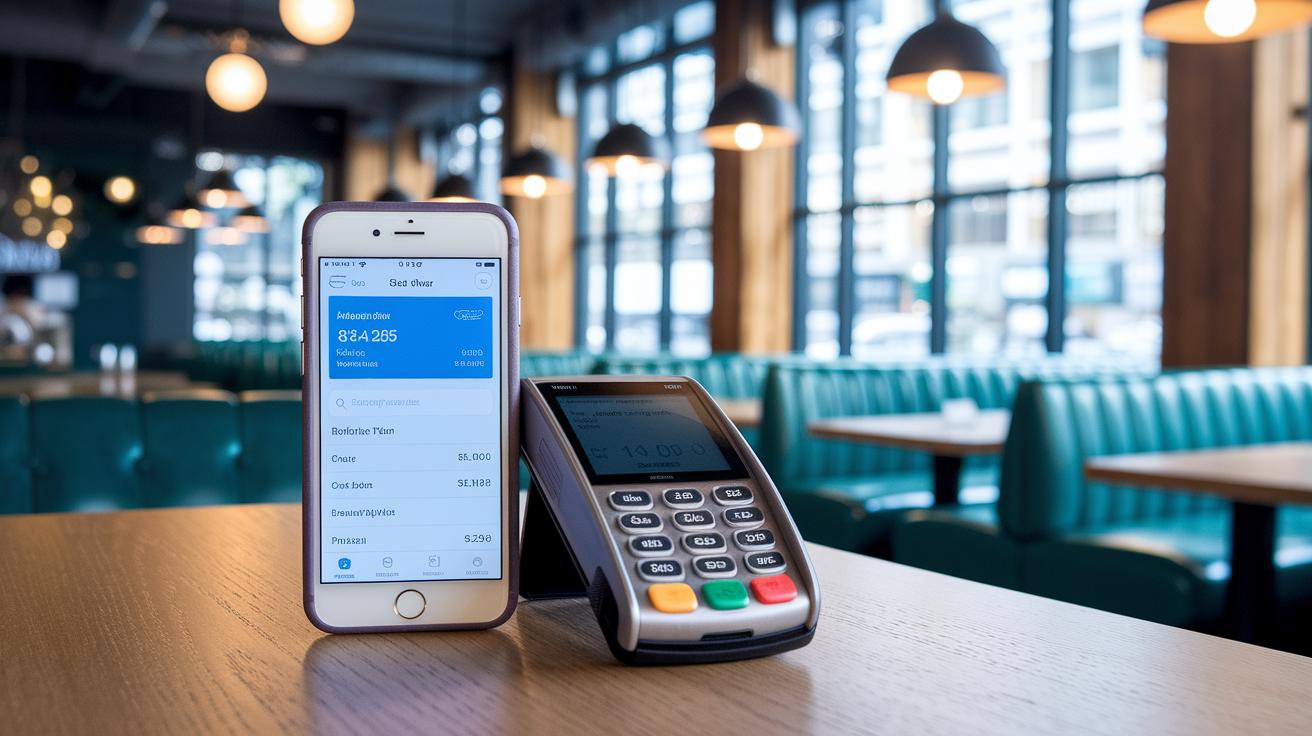
Digital and distributed ledgers (essentially digital record-keeping systems) are shaking up the finance world and beyond. They’re not just buzzwords, they’re tools that help companies run smoother. Think of a new digital banking system launched by a fintech firm or a large international hotel chain managing guest transactions with ease. These systems make information clear and reliable across many industries.
Digital banking platforms, secure payments in hotels, tracking products in supply chains, sharing healthcare information, settling trade deals, and even handling identity details all benefit from ledger technology. Each example shows a real way these records systems boost trust and efficiency.
Digital ledgers work like a central command center, offering quick updates and easy management when one trusted party is in charge. But distributed ledgers let multiple people or organizations update and check the data at the same time. This extra teamwork makes the whole system safer and more resistant to problems.
In short, whether you use a digital ledger for straightforward control or choose a distributed ledger for joint verification, both bring unique strengths that fit different needs in today’s fast-changing world.
Security, Transparency, and Consensus Protocols in Ledgers

Ledgers protect data using digital signatures, little electronic marks that confirm who you are, and encryption, which scrambles information so only those with the right key can read it. They also use methods like proof-of-work, where miners solve tough puzzles, and proof-of-stake, where validators are picked based on how much they own. These processes check transactions and also affect energy use and overall efficiency.
Fixed blocks mean every record is unchangeable. Once data is in the system, it stays there permanently and reliably. This built-in permanence makes audits more solid and helps provide clear oversight in areas like healthcare and supply chains.
Different ledger systems vary in speed, energy use, and how strong their security measures are. Some require heavy computational work that can use a lot of energy, while others speed up transactions without sacrificing security. This balance is important for anyone deciding on a system that fits their technical needs and sustainable goals.
Challenges, Integration Strategies, and Future Directions for Ledger Technologies

Integrating ledger technologies can be tougher than it seems. Old systems often don’t mix well with new digital registers, and many current setups aren’t ready for the changes modern financial tech demands. For example, syncing information across different, decentralized points can slow things down and add extra costs. It’s like trying to get everyone on the same page when the rules keep changing.
To overcome these hurdles, many companies are using pre-built fintech modules and widely accepted practices. Tools like Fintech Core offer ready-made components that make backend communication and data management smoother. Using these modules can cut down both time and expenses, while also making systems more secure and efficient. This approach helps businesses blend traditional ledgers with new, distributed systems, creating a more reliable setup and simpler maintenance. It’s all about finding the right balance between tradition and innovation to keep things moving forward.
Regulatory rules and governance are other big challenges. Digital registers need to follow established guidelines, and as fintech evolves, so do the rules that govern it. This careful balance is key to building trust with users and stakeholders.
Looking forward, events like Money20/20 Europe and Seamless 2025 masterclasses are stirring up fresh ideas. These gatherings highlight ways to boost scalability and reduce expenses in decentralized models. With both tech advances and evolving regulations on the horizon, the future looks promising for ledger integration, empowering organizations to handle digital transactions more confidently and efficiently.
Final Words
In the action, we explored how digital ledgers, with their centralized control, stand apart from distributed ledgers that spread data across several nodes using consensus protocols like blockchain (a way of linking blocks of data securely).
We broke down the core differences in record architecture and real-world use cases, offering a practical side-by-side comparison to clear up any confusion.
By understanding digital ledger vs distributed ledger, you can boost confidence in using these systems to support smarter digital market investments.
FAQ
What is a digital ledger?
The digital ledger is a centralized record system that stores transaction details in one controlled repository, boosting efficiency and clarity in financial tracking.
What is distributed ledger technology (DLT)?
Distributed ledger technology is a system where data is copied across many independent nodes, promoting decentralization and secure multi-user verification, with blockchain being a common example.
How do digital ledgers compare to distributed ledgers and blockchain?
Digital ledgers hold data in a single location, while distributed ledgers spread records among several nodes; blockchain is a specific type that links data in secure blocks.
What is the difference between a distributed and a decentralized ledger?
The difference lies in control; distributed ledgers copy data widely without central oversight, making the system inherently decentralized by design.
What are examples of distributed ledger technology?
Examples include blockchain platforms like Bitcoin and Ethereum, and other systems such as directed acyclic graphs (DAG) and Hashgraph, each supporting secure multi-party access.
What are the three types of distributed ledgers?
The three types are permissioned, permissionless, and hybrid ledgers, each differing by who can access and update the ledger.
What cryptocurrencies use distributed ledger technology?
Cryptocurrencies using distributed ledger technology include Bitcoin, Ethereum, and Ripple, all relying on decentralized networks to verify and record transactions.