Have you ever thought about how a small meeting spot can spark billions in trade? In financial markets, stocks, bonds, and different types of money move back and forth, giving everyone, from regular folks to big companies, a chance to join the action.
Picture a busy town square where, instead of trading fruits, people swap tools that help businesses grow and families save for the future.
This discussion breaks down the two main roles of financial markets in a clear, straightforward way that speaks like a friendly chat.
Defining Financial Markets: Essential Explanation

Imagine a bustling market where, instead of fruits or vegetables, people trade things like stocks, bonds, and foreign money. It’s just like a local farmers’ market where neighbors swap fresh produce, but here, the exchange is all about money tools.
These markets have two big jobs. First, they help businesses get the cash they need by selling shares (small pieces of a company) or issuing bonds (a promise to pay back money). Second, they give people a way to invest, buying these tools in hopes that they will grow in value. Fun fact: in one small town, a bank once funded a community project by trading its bonds at a special market event!
Then there’s the New York Stock Exchange, or NYSE (a major place where a lot of trading happens). Every day, trillions of dollars change hands there. This shows us that financial markets aren’t just important for local groups; they are a key part of the global money system.
Types of Financial Markets in the Economic Arena
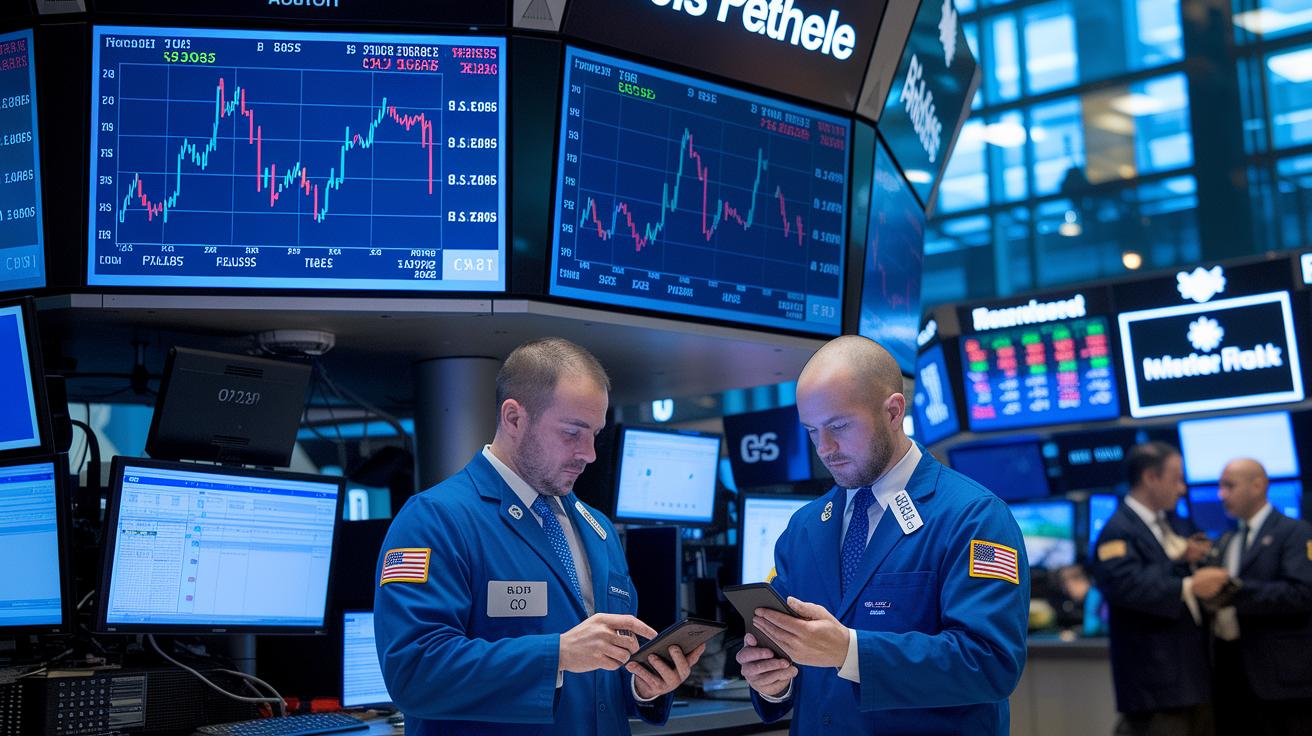
Financial markets are busy hubs where different types of assets are bought and sold, each serving its own purpose to help raise money and build wealth. Think of each market as a tool that matches various investment goals and comfort with risk. Together, they keep our global economy lively and moving forward.
-
Stock market: Imagine companies sharing pieces of themselves. In this market, businesses list shares so you can buy a part and share in their growth. Early backers often watch their investments grow as the company expands, making it a direct way to experience success.
-
Bond market: Here, companies and governments borrow money by offering bonds. When you buy a bond, you get regular interest payments and your money returned on a set date, which makes it a steadier choice compared to stocks.
-
Commodities market: This market focuses on physical goods like oil, gold, and crops. Traders often use futures contracts (agreements to buy or sell an item later at an agreed price) to lock in prices, making planning easier and clearer.
-
Derivatives market: In this area, contracts such as futures and options derive their value from other assets. These tools can help traders manage risks or even bet on future price changes, adding flexibility to investment strategies.
Each of these markets connects to form a network where every sector plays a part in supporting the others. Whether you dabble in stocks, bonds, commodities, or derivatives, these markets work together to drive growth and open up new opportunities every day.
Key Components and Participants in Financial Markets

Financial markets are spots where buyers and sellers meet to trade financial products like stocks, bonds, and derivatives (these are contracts whose value depends on other assets). They can be formal exchanges, where every trade is recorded clearly, or over-the-counter platforms that let people trade more flexibly. Everyone gets involved, from everyday folks to big organizations, all helping keep money moving. These markets are key for businesses trying to raise funds to grow and for governments looking to finance community projects.
- Individual investors – everyday people trading financial assets to build their savings.
- Institutional investors – companies like pension funds and mutual funds that handle large sums of money.
- Corporations – businesses that raise funds here to fund new projects or expand.
- Governments – public bodies that issue bonds to pay for services and build infrastructure.
Exchanges are public spots where every trade shows clear pricing and activity details. On the other hand, over-the-counter platforms let traders do business without sticking to one location, making deals more flexible. This blend of trading venues helps companies gather capital, manage risks, and maintain steady market fluidity. Together, these players and places create a network that smoothly drives money and risk across the global economy.
Fundamental Functions and Advantages of Financial Markets
Financial markets take extra cash that’s just sitting there and put it to work. They also help set reasonable prices during everyday trades and keep money moving smoothly so everyone – businesses and investors alike – can participate in the economy.
When you put money into these markets, it can jump-start business growth or fund government projects. In simple terms, your savings help build things for all of us.
Prices in the market are set by supply and demand. Buyers and sellers meet and agree on prices, which lets the value of items and assets match what people feel is fair at that moment.
Liquidity is another key part. In these markets, you can sell your investments quickly when you need cash. This ease of buying and selling helps keep everything active and lowers the risk of being stuck with things that are hard to sell.
By gathering all the available information in one spot, transaction costs drop. With clear market data, making trades becomes faster and cheaper, cutting out extra fees and delays.
All of these functions work together to boost economic growth. They make sure money goes where it’s needed and keep markets strong and ready for changing financial needs.
Regulatory Influence and Market Structure Overview

Rules and guidelines keep our markets running smoothly. They set clear rules so that trading stays fair and companies know what to expect when they join in. Policies like listing rules, strict reporting, and regular checks all help keep the market honest. This helps investors feel secure and makes trading more orderly.
Role of Regulatory Bodies
Regulatory groups work hard to keep trades fair. For example, the SEC (a government agency that watches over stocks) and the CFTC (a group that monitors trades in goods) check every transaction. They set clear rules for reporting and watch over trade practices. This close watch stops shady deals and shows everyone the true value of assets.
Types of Exchange Structures
Markets trade in different ways. Some exchanges, like the NYSE, are central spots where everyone can see trades happen in a clear, regulated setting. Others use decentralized over-the-counter platforms, where people trade directly without a central hub. This variety lets traders choose the method that works best for them.
Together, clear rules and a mix of market types work to protect investors by keeping everything open and lowering risks.
Evolution, Technology, and Emerging Trends in Financial Markets
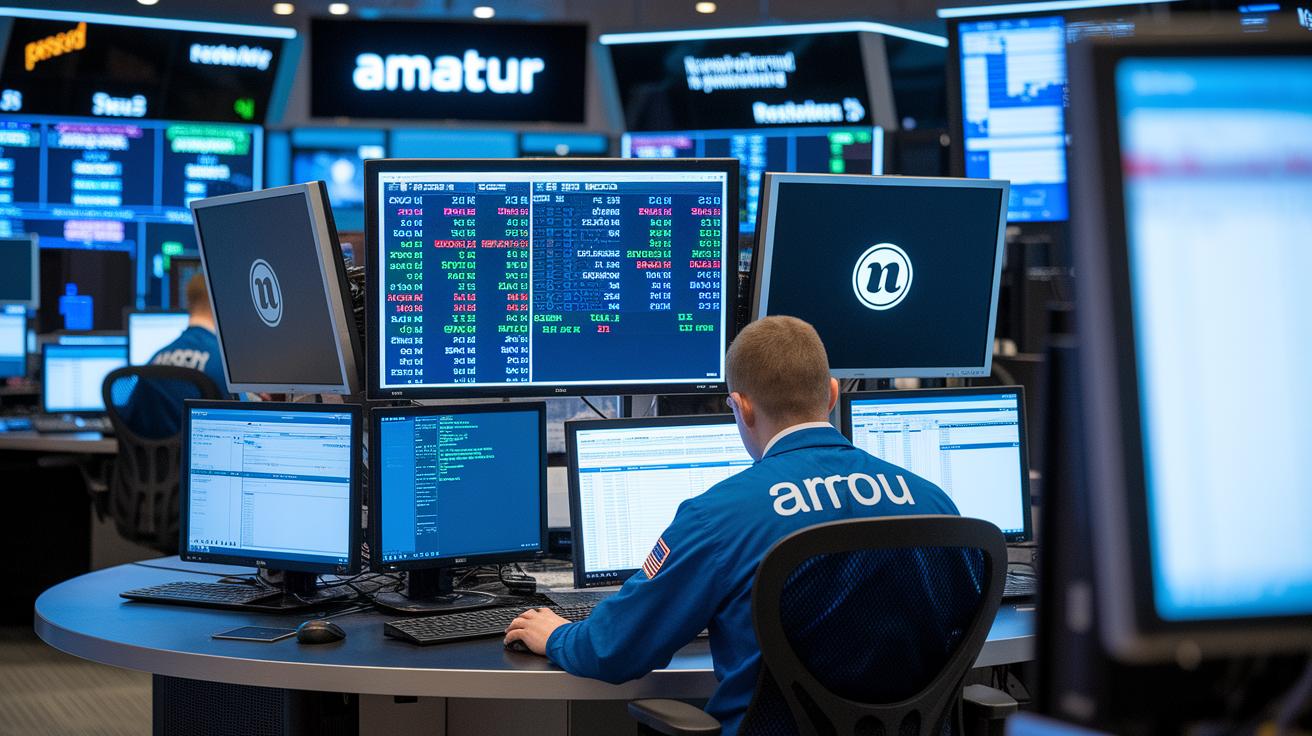
Back in the 1970s, trading happened in busy rooms filled with people. Today, everything has moved online where trades happen in a blink. Picture the soft hum of computer fans and the clear buzz of market tickers, this shift set the stage for the smart systems we see now.
- Algorithmic trading: Smart computers now decide when to buy or sell in moments, following set rules to mix speed with care.
- Decentralized finance: Also known as DeFi (a system that uses blockchain, a secure digital ledger that records transactions), this lets people lend and trade without a middleman.
- Digital asset exchanges: These platforms let you trade cryptocurrencies and tokenized securities, much like trading stocks or bonds.
Looking ahead, tech will keep changing the game. With even more smart trading systems, the experience may become smoother and faster. As more tools and players join the digital space, expect fresh ideas that make trading easier for everyone. The blend of old methods with new digital trends promises a future where trading is simpler and more inclusive.
Final Words
In the action, we broke down the definition of financial markets as venues where bonds, stocks, and derivatives trade. We explored their role in providing capital, liquidity, and fair pricing. The piece also outlined essential market types, main participants, and the impact of modern tech like blockchain and electronic systems. Each section builds on the basics and gives you a clear view of the global finance system. It’s a practical wrap-up, leaving you with a positive take on mastering innovative trading techniques.
FAQ
What is a financial market?
The definition of a financial market means a place where assets like stocks, bonds, and currencies are traded. It helps companies raise funds, sets fair prices, and offers liquidity to investors through its various components.
What are the types of financial markets?
The types of financial markets include stock, bond, commodities, and derivatives markets. These markets allow for the buying, selling, and trading of assets and are sometimes grouped as three main categories depending on context.