Ever wondered how one strong headline can send crypto prices soaring and then let them drop into uncertainty? It turns out investor moods can flip in a heartbeat.
Sometimes a boost in funding or stricter rules, along with new data tools (think of it as smart ways to study numbers), can change how investors feel about the market. When you look closer, you can see clear trends behind these shifts.
It's pretty fascinating, right? Let’s take a closer look at what makes investors feel either confident or cautious, and uncover the simple forces that guide these changes.
Crypto Market Sentiment Trends: Overview and Key Drivers

Crypto market sentiment shows the emotional pulse of investors and can change in the blink of an eye. One minute investors are riding a high during a bull market, and the next, they’re in a more cautious mindset during a downturn. For example, you might come across a headline that reads, "Bitcoin surged by 150% approaching 2024 following ETF approvals," sparking a wave of bullish energy across the market. This kind of headline helps us see how quickly news can flip investor emotions.
Recently, confidence among crypto investors has risen, boosted by increased funding and strategic mergers. This isn’t just about the numbers, it’s about the psychology behind digital assets. After events like the FTX collapse, improved regulatory measures played a big role in rebuilding trust. And even as the world deals with big events like a pandemic, these shifts remind us that nothing in the market is set in stone.
Then there’s the power of technology. Artificial intelligence (a computer program that learns from data) is now key in understanding crypto trends by sifting through loads of trading data and investor opinions. Traders use these insights to quickly adjust their strategies, blending traditional confidence indicators with up-to-the-minute market sentiment.
Take late 2023 as an example, when fresh funding and mergers sparked renewed optimism in the market, like a burst of energy after a long pause. It shows us that every factor, from market stats to regulatory moves and cutting-edge tech, helps shape how investors feel about crypto today.
Measuring Cryptocurrency Sentiment Indicators and Methodologies
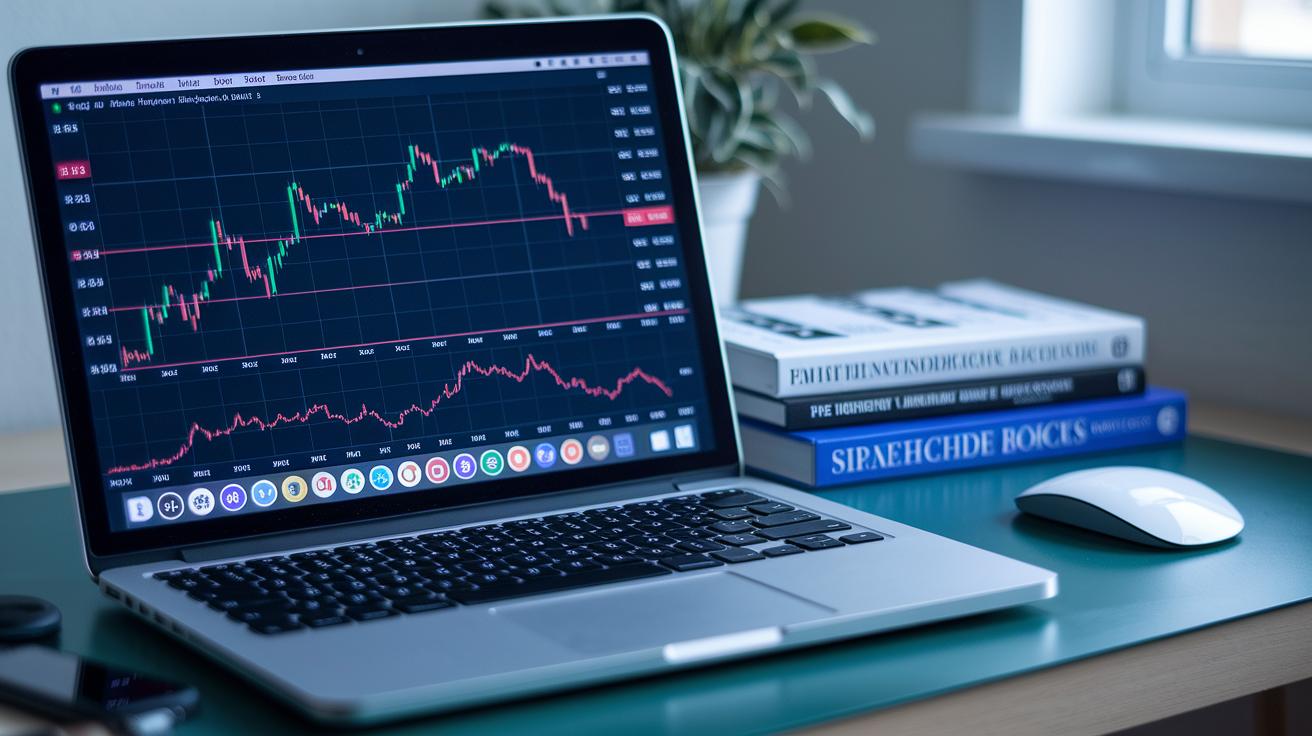
Figuring out crypto market sentiment is a bit like piecing together a big puzzle. Traders gather clues from investor actions and opinions to see what the market might do next. For example, the Fear & Greed Index gives a number that, when it falls below 20, suggests that investors are really pessimistic. And here’s an interesting tidbit: when fear is high, on-chain transaction volumes often spike, hinting that there could be a burst of activity even before prices start to move up.
Traders use a variety of signals to gauge market mood. They check on-chain metrics (like wallet activity and transaction volume) to spot sudden changes that might not show up on price graphs. They also look at how much people are talking about crypto on platforms like Twitter, Reddit, and Telegram. Plus, news sentiment scores help them see if the latest headlines are painting a positive or negative picture. Combining these signals gives a clearer view and helps in making faster decisions.
| Indicator | Data Source | Description | Interpretation |
|---|---|---|---|
| Fear & Greed Index | Market sentiment reports | Measures extremes of fear or greed | Thresholds below 20 suggest deep pessimism |
| On-chain Metrics | Blockchain transaction data | Tracks volume and wallet activity | Volume spikes may predict price rebounds |
| Social Media Metrics | Twitter, Reddit, Telegram | Monitors discussion volumes | Rising chatter can prelude sentiment shifts |
| News Sentiment Scores | Media analysis | Evaluates the tone of crypto news | Negative scores often point to a bearish outlook |
Traders blend these signals to shape strategies that can quickly adjust to changing market moods. They keep a close eye on how each piece of data fits into the bigger picture, mixing hard numbers with a bit of gut feeling. In short, it’s all about combining reliable data and personal insight to make the best decisions in a rapidly changing market.
Influence of Social Media and News on Crypto Market Sentiment Trends

Platforms like Twitter, Reddit, and Telegram play a big role in shaping how people feel about crypto. When you see posts online, they quickly reflect the public mood. For example, a tweet might read, "Massive buying spree on TokenX. Get ready for a surge!" which can spark excitement and sway opinions within just a few hours.
News events also have a fast impact on market feelings. Headlines about new regulations, asset tokenization for things like real estate or art, or major happenings like the FTX collapse all add extra layers to the conversation. Sometimes, tools measure whether the buzz is fueled by genuine excitement or a bit of caution, and then they connect those vibes to short-term price changes.
In simple terms, sentiment analysis brings together live social media scans and key measurement tools to create clear signals.
- Social media mood tracking picks up immediate public reactions.
- Hype measurement techniques check how deep the collective emotion is.
- Reaction insights evaluation ties those feelings directly to changes in asset prices.
By combining these methods, traders receive focused insights without any extra noise, keeping the analysis clear and relevant.
Historical Cycles and Psychological Phases in Crypto Market Sentiment

Accumulation Phase
After a tough downturn, investors start quietly buying digital assets as prices settle at levels they believe are a good deal. It’s like going to a store during off-peak hours, everyone’s calm and patient, carefully picking up items they trust are undervalued. Long-term holders step in without much fanfare, setting the scene for a possible market rebound.
Growth Phase
Next, the mood shifts as confidence builds. Trading picks up noticeably, and more investors buy in, convinced that conditions will get better. This optimism can be sparked by things like improved economic news or new financial products (like a digital fund working on blockchain technology, a digital ledger that records transactions). It reminds you of the energy seen in the 2020–21 bull run, where active buying pushed prices up, creating a wave of positive sentiment.
Bubble Phase
Then comes the stage where excitement reaches its peak. Many jump in quickly, worried they might miss out. During this phase, buying becomes more about riding a wave of momentum than focusing on an asset’s true value. Think back to April 2021, when exuberance drove prices skyward in a burst of speculative activity.
Crash Phase
Eventually, the bubble bursts, and prices take a sharp dive. Panic sets in and investors rush to sell, which only deepens the downturn. When prices drop well below what many consider fair value, it creates a prime opportunity for those who focus on value investing. Once the dust settles, it often sets the stage for the next round of patient buying.
Forecasting Models and Emerging Trends in Crypto Market Sentiment

These days, experts mix old data with modern mood models powered by artificial intelligence (a type of computer help that analyzes information) to get a clear picture of crypto market feelings. AI digs into huge amounts of on-chain records (digital ledgers that show transactions) and social media chatter to spot trends early. This means traders can pick up on subtle shifts in investor mood before they fully develop.
Recent funding booms and merger actions in late 2023 have boosted investor confidence, especially as more big institutions get involved. At the same time, central banks are checking out digital currencies and new regulation plans are coming into focus, which also help shape investor expectations. And when you see tokenization spreading to areas like real estate, bonds, and art, it shows a growing belief in the strength of diverse digital assets.
By blending different forecasting tools with insights from emerging trends, market players can fine-tune their strategies. The mix of smart AI techniques and careful review of behavioral signals makes it easier to plan in a market known for its wild price swings and fast mood changes.
Final Words
In the action, we broke down how investor moods, online chatter, and historical cycles drive crypto market sentiment trends while highlighting AI-driven forecasting methods. We traced the shift from cautious starts and rapid growth to sudden turns that shape digital asset decisions. This discussion brings clarity to the tools and indicators at work, sparking fresh ideas for setting up a savvy crypto portfolio. Embrace these insights to feel more confident and ready to chat about market shifts as you refine your digital investment strategy.
FAQ
What does the current crypto market sentiment trend indicate?
The current crypto market sentiment trend reflects investor optimism and caution. Positive news, regulatory updates, and tech advances can quickly shift moods, influencing price movements throughout the digital asset space.
What does the Fear and Greed Index in crypto measure?
The Fear and Greed Index measures investor mood by analyzing online chatter, market data, and news sentiment. Lower scores indicate fear, while higher scores suggest a more bullish, greedy attitude.
How can I view real-time Fear and Greed Index data?
Real-time Fear and Greed Index data is available on platforms like CoinMarketCap, which update sentiment metrics frequently using live market activity, social media signals, and news flows.
What does Bitcoin’s activity on TradingView indicate?
Bitcoin’s trading data on TradingView reflects broader market sentiment by showing price trends, volatility, and trading volumes, all of which help gauge investor confidence in the cryptocurrency market.
How is Solana’s market sentiment tracked?
Solana’s market sentiment is tracked using its own Fear and Greed Index, which specifically monitors investor mood and asset performance within the Solana ecosystem based on market indicators and discussion trends.
What trends are expected for the crypto market?
Expected trends in the crypto market often include rebounds after downturns and surges with new technology adoption and regulatory clarity, though rapid changes can lead to short-term volatility.
Will the crypto market rise again?
Historical cycles suggest the crypto market can rise again after periods of weak sentiment. Recovery typically follows when selling pressure eases and renewed confidence attracts value-driven investors.