Have you ever thought that your face or fingerprint could help protect your money? Banks now use these personal features to secure your accounts and transactions. A few years ago, older methods left many people frustrated with slow and unreliable systems. Now, smart sensors work fast and accurately, reducing fraud and building a stronger bond of trust between you and your bank.
This new way of keeping your money safe makes everyday transactions much less risky. It truly changes the game for how we protect our funds.
Biometric Security in Banking: Boosted Trust & Safety

Biometric security in banking uses your unique physical or behavioral traits, like fingerprints, facial features, voice, or even your retina, to confirm who you are when using ATMs, logging into online accounts, or accessing apps on your phone. These features are really hard to copy, so they offer a strong layer of digital protection.
Remember when fingerprint scanners were a bit unreliable at ATMs? They often missed the mark and users weren’t too keen on them. Now, with upgraded sensors and smart learning models, these systems work fast and accurately. Instead of relying on easily forgotten PINs or passwords, banks now use your unique traits to customize and secure every transaction, building trust in digital banking.
Biometric methods have also been a game changer for cutting down fraud. A 2022 study found that 22 percent of U.S. adults had experienced account takeovers, which shows the limits of old-fashioned security. With ongoing re-authentication, banks can easily handle important checks like Know Your Customer (KYC, which means making sure you are who you say you are) and Anti-Money Laundering (AML, rules set to curb illegal money transfers) during both sign-up and everyday banking. Strong data privacy measures add another layer of security for your sensitive information.
By July 2023, 62 percent of online shoppers favored biometric payment methods, proving that these techniques not only simplify money transfers but also enhance the overall experience. With faster access and fewer mistakes, advanced biometric security greatly reduces fraud and even helps stop hacking attempts, ensuring our banking stays both safe and efficient.
Key Biometric Methods in Banking Security

Biometric security in banking is changing the way banks verify who you are by using your unique human traits. Instead of relying on old-fashioned passwords or PINs, banks now use physical or behavioral markers that are tough to fake. Think of fingerprint scanning, facial checks, or even iris scans, they help make banking both secure and quick. For instance, many banks first used fingerprint scanners at ATMs and then improved them for mobile bank logins. It’s a modern method that offers a smoother, more reliable way to access your account.
| Biometric Method | Description | Typical Use Case |
|---|---|---|
| Fingerprint recognition | Started with ATMs and evolved with better sensor tech | ATM use and app logins |
| Facial recognition | Uses smart AI to adjust for lighting conditions | Mobile banking and in-branch kiosks |
| Iris scanning | Scans the unique patterns in your eye; very hard to trick | Big transaction approvals |
| Palm vein scanning | Maps veins using near-infrared light to capture secure patterns | Selected mobile banking services |
| Voice identification | Analyzes tone and frequency; market expected to hit $50B by 2029 | Call center security |
| Retina scanning | Maps the blood vessel patterns in the eye for high security | Access to restricted areas |
| Vein pattern matching | Takes images of hand veins, making it hard to fake | Premium card approvals |
| Behavioral verification | Looks at how you type and navigate to ensure continuous safety | Ongoing session security |
Each of these methods has its own role in keeping bank accounts safe. Facial recognition, for example, adjusts quickly to different lighting, which makes it great for both checking your phone and using in-branch kiosks. Iris scans, on the other hand, are especially popular for high-value transactions because they offer strong protection against fraud. And then there are emerging techniques like behavioral verification that keep an eye on how you use your device to spot any unusual activity immediately. In short, these tools not only make banking safer but also help you get through the process faster and with less hassle.
Biometric Security in Banking Implementation Examples

ATM fingerprint scanning was one of the first times banks used a person’s unique traits to speed up service. Instead of typing in a long PIN, you simply press your finger, which makes transactions faster and more accurate. Banks liked this method because it not only saves time but also builds trust. It even set the stage for multi-factor access, where your fingerprint acts as a second check.
Voice recognition is another tool banks use today, especially at call centers. By listening to the way you speak, your tone, speed, and accent, banks can confirm your identity before discussing any sensitive details. This extra step makes phone transactions more secure and helps keep your account safe.
Mobile banking apps now use facial checks like Face ID and fingerprint scans like Touch ID. These features let you log in without needing a password, making it simple and secure to manage your money on the go. With this technology, only you can access your account, ensuring a smooth and safe experience.
Some payment cards now include fingerprint sensors on the card itself. This means you can verify your identity right on the card before any chip-based transaction takes place. This local check on the card adds another layer of protection against fraud.
In bank branches, teller kiosks often come equipped with both fingerprint and facial scanners. They are especially handy during large transfers or when you need to access a safe-deposit box. In short, these systems blend ease of use with strong security to protect both digital and in-person banking transactions.
Biometric Security in Banking Benefits and Operational Efficiency

Biometric security in banking combines strong fraud protection with quick identity checks. In the past five years, the number of banks using biometrics increased from 26 percent to 40 percent. This rise has helped reduce account takeovers, meaning every time a customer uses their fingerprint or face scan, it lowers the chance of fraud and keeps their financial data safe.
Banking becomes smoother when customers get onboarded quickly and can re-authenticate during transactions almost instantly. Instead of dealing with slow, manual checks, customers can simply use a biometric scan for swift access. This not only makes the banking experience more enjoyable but also cuts down on costs by streamlining the transaction process.
Real-time monitoring adds another layer of safety. With tools like behavioral biometrics (systems that track how you interact with your device), banks can spot unusual activity right away. When something out of the ordinary happens, security teams receive instant alerts and can act within seconds, making it much harder for cyber intruders to cause harm.
Speeding up verification from minutes to seconds really boosts customer satisfaction. By integrating these smart biometric tools, banks create a system that fights fraud effectively while keeping services fast and efficient. It sets a high mark for innovation and security in the digital finance world.
Biometric Security in Banking Challenges and Regulation Compliance
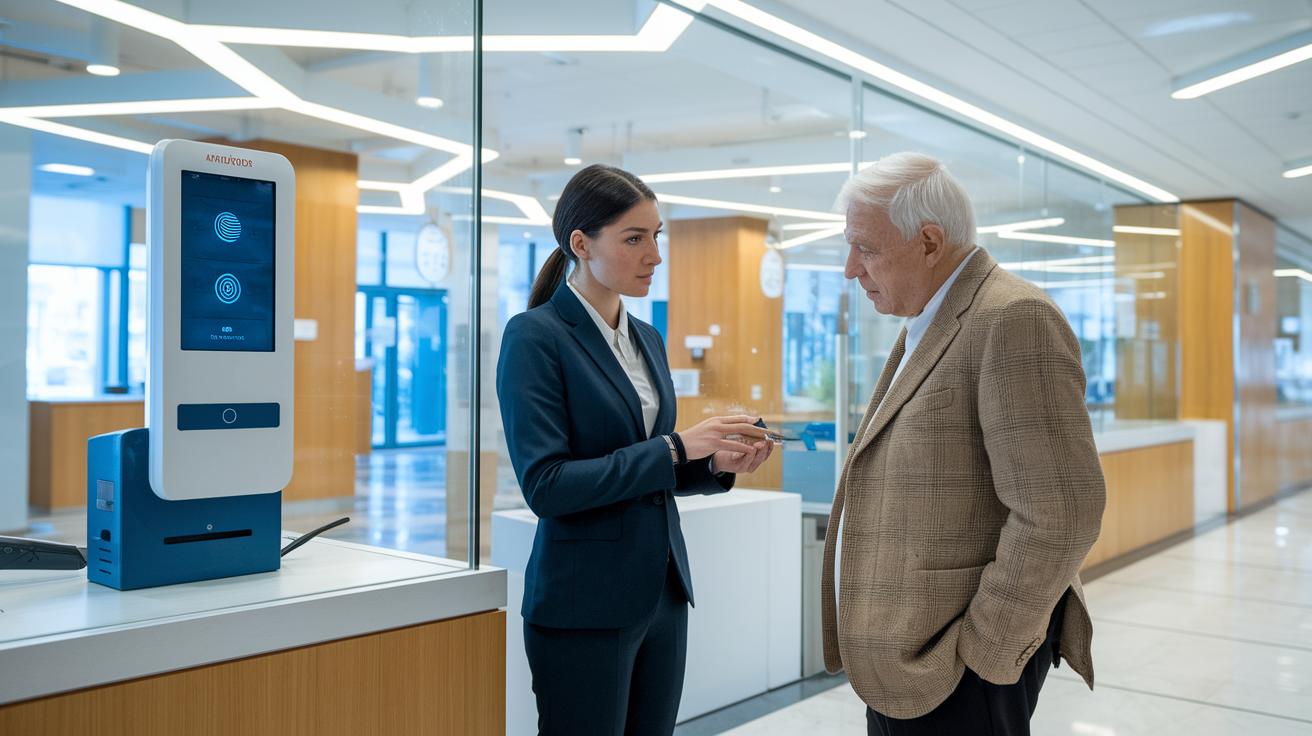
Banks need to protect biometric templates with solid data privacy measures. They store this data in encrypted systems, use clear consent policies, and manage keys securely. This approach is vital for meeting current privacy rules and ensuring that each customer’s unique data stays safe. For instance, imagine a bank that checks a fingerprint using deep learning authentication (a method where computers learn to recognize patterns) while also using safeguards that stop any tampering.
Adding new sensor modules to older banking systems is not easy. The process often involves complex technical work and risks during data transfer, which can delay projects. Banks have to find a balance between using the latest security technology and keeping their trusted, traditional systems running smoothly. Think about how challenging it can be to put modern, AI-powered deception detection tools on top of old frameworks.
Customer acceptance is also a big factor. People in different age groups and regions may have different comfort levels with biometrics. That’s why banks need to offer various ways of verifying identity. By explaining how verification works and providing several options, like both biometric and traditional methods, they can build trust and make it easier for everyone to adapt.
Rules for knowing your customer (KYC) and anti-money laundering (AML) demand strict checks on identity and clear audit records. To meet these requirements, banks are now using AI-driven liveness tests and anti-spoofing tools. These measures help confirm that every transaction is genuine and strengthen the overall security of the financial system.
Future Trends in Biometric Security in Banking
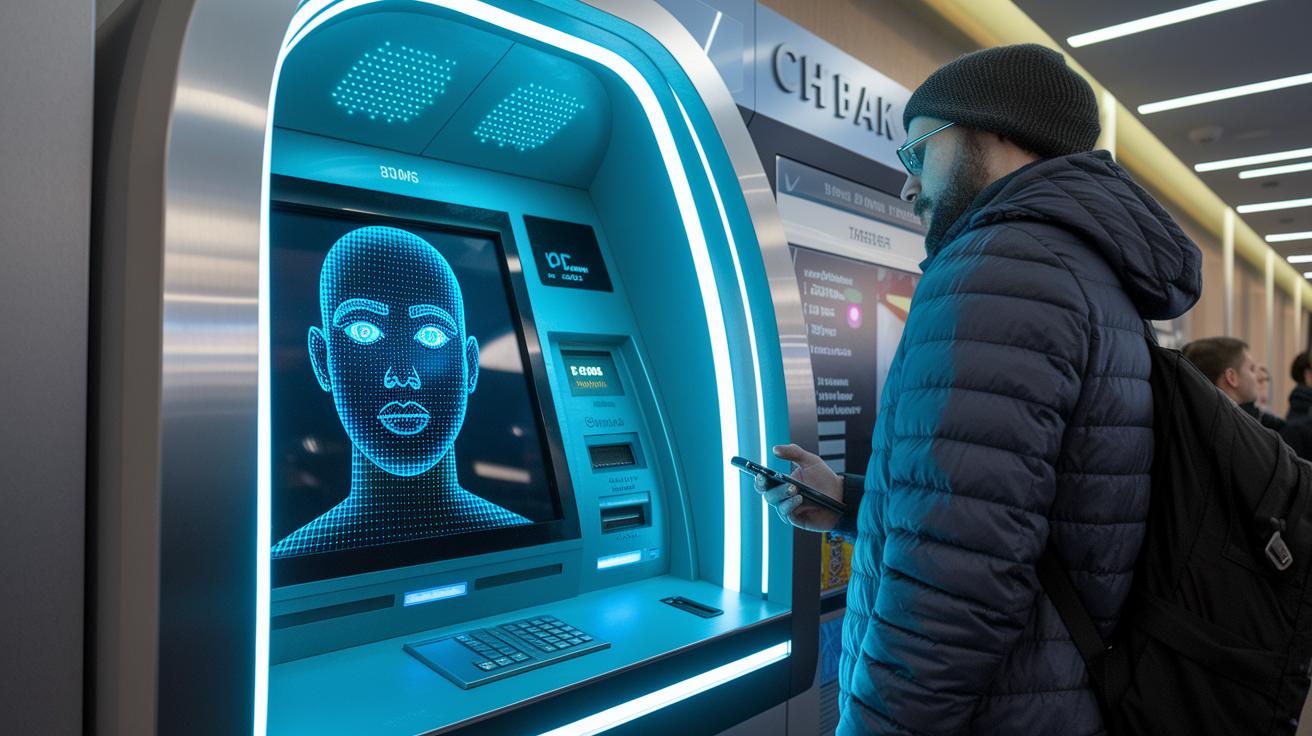
Digital ID solutions grew impressively, reaching $34.5B in 2023 and potentially soaring to $83B by 2027 as banks switch to smarter onboarding tools and tighter security protocols. This jump shows a clear move to safer ways to verify identity, mixing modern tech with strong, hands-on checks.
Biometric ATMs are riding a wave of growth too. Revenue is expected to bump up from $36.3B in 2023 to $46.7B by 2032, growing at about 3.2% each year. At the same time, the facial recognition market is projected to expand from $5B in 2022 to $19.3B by 2032, a sign that everyday transactions are demanding more reliable authentication.
Banks are now exploring multimodal systems that combine fingerprint, face, and voice checks, a bit like putting several layers of security together. By mixing these methods, banks can cover the flaws of using just one, building a tougher shield against fraud while making the process easier for users.
AI screening and machine learning (tools that allow computers to learn from data) are also stepping up the game. These systems keep an eye on real-time behavior and spot fake attempts, helping banks act fast against threats and stay one step ahead of potential breaches.
Blockchain (a secure digital ledger that records transactions) adds another layer of safety by storing biometric templates in a nearly unchangeable way. This lowers the risk of a single point of failure and boosts overall transparency when handling sensitive data.
New technologies like passkeys, iris scanning, and behavioral biometrics (which look at the way you normally interact) are paving the way for passwordless banking on mobile, web, and even branch channels. These innovations simplify access while keeping security rigorous, promising a future where biometric security is both easy to use and exceptionally strong.
Final Words
In the action, we covered how biometric security in banking uses unique traits like fingerprints and facial recognition to protect accounts and speed up access. We explored methods from ATM scanning to voice checks and saw how these tools reduce fraud and improve customer experiences. Real-world examples showed seamless integration across digital channels. Challenges exist, but innovative trends hint at more robust, risk-managed systems ahead. Positive progress continues to shape secure, efficient financial transactions every day.
FAQ
What is an example of biometric security in banking?
The biometric example in banking is fingerprint scanning at ATMs, where unique fingerprints replace traditional PINs for quick, secure account access.
What are 5 common examples of biometric banking?
The five examples include fingerprint scanning, facial recognition, iris scanning, voice identification, and palm vein scanning, each offering distinct benefits for secure authentication.
Where can I find biometric security in banking PDF information?
The biometric security in banking PDFs typically present detailed insights, use-cases, and technical overviews on methods like fingerprint and facial recognition, aiding deeper understanding.
What advancements in biometric security occurred in banking in 2022?
The developments in 2022 include broader adoption, faster authentication and reduced account takeovers, leading banks to integrate biometric methods into everyday security measures.
How does biometric technology work for bank accounts?
The biometric technology for bank accounts relies on unique physical features, such as fingerprints or facial patterns, to verify identity quickly and reduce reliance on password-based methods.
Which banks use biometrics for account security?
The biometric security is implemented by many banks, including those integrated with mobile payment platforms like Apple Pay and Google Pay, along with numerous regional banks innovating in secure transactions.
What are the common use cases for biometric security in banking?
The biometric use cases span ATM authentication, call-center voice verification, mobile app facial scanning, payment card fingerprint sensors, and in-branch kiosks for secure transactions.
Is biometric verification necessary for accessing a bank account?
The biometric verification is not mandatory at every institution, but many banks recommend it for stronger security, reducing fraud by using unique, hard-to-replicate physical traits.
What is the difference between password and biometric security?
The difference is that password security depends on memorized codes, while biometric security uses unique physical traits, offering enhanced protection and lower risk of unauthorized access.