Ever wondered if every energy transaction could be recorded flawlessly? Distributed ledger applications (tools that track every move on a shared digital record) are changing how we handle energy. This handy system logs each step as it happens, cuts out pricey middlemen, and builds trust between energy providers and users. Picture it like a shared notebook that everyone can check. With billions expected to flow into these technologies, energy management is on the brink of a bright new era that might just transform our future.
How Distributed Ledger Applications Transform Energy Sector Operations

Distributed ledger technology is changing the way we handle energy transactions. Blockchain (a digital ledger that records transactions securely) keeps every record locked in a block of data. This means each transaction is stored in a secure, shared system where all network users see the same information. It cuts out expensive middlemen and reduces the need for manual checks.
This approach makes energy management more reliable and straightforward. Companies can track how power moves in real time because every change is logged instantly. Think about smart electric meters: their data is recorded accurately and right away, which helps avoid mistakes and holds up-to-date information. This clear record builds trust between energy providers and consumers, leading to smoother operations overall.
Investments in energy blockchain technology show just how promising this idea is. Experts expect more than $5.8 billion to flow into these systems by 2025. That kind of financial support speaks volumes, it tells us that secure, unchangeable records could really transform how energy grids and assets work.
In short, these systems steer away from traditional middlemen, speed up transaction settlements, and offer a public and secure track of every energy move. This blend of benefits makes the energy market smarter, faster, and a leader in today’s digital age.
Key Use Cases in Energy Sector Distributed Ledger Applications: Smart Grids and Peer-to-Peer Trading
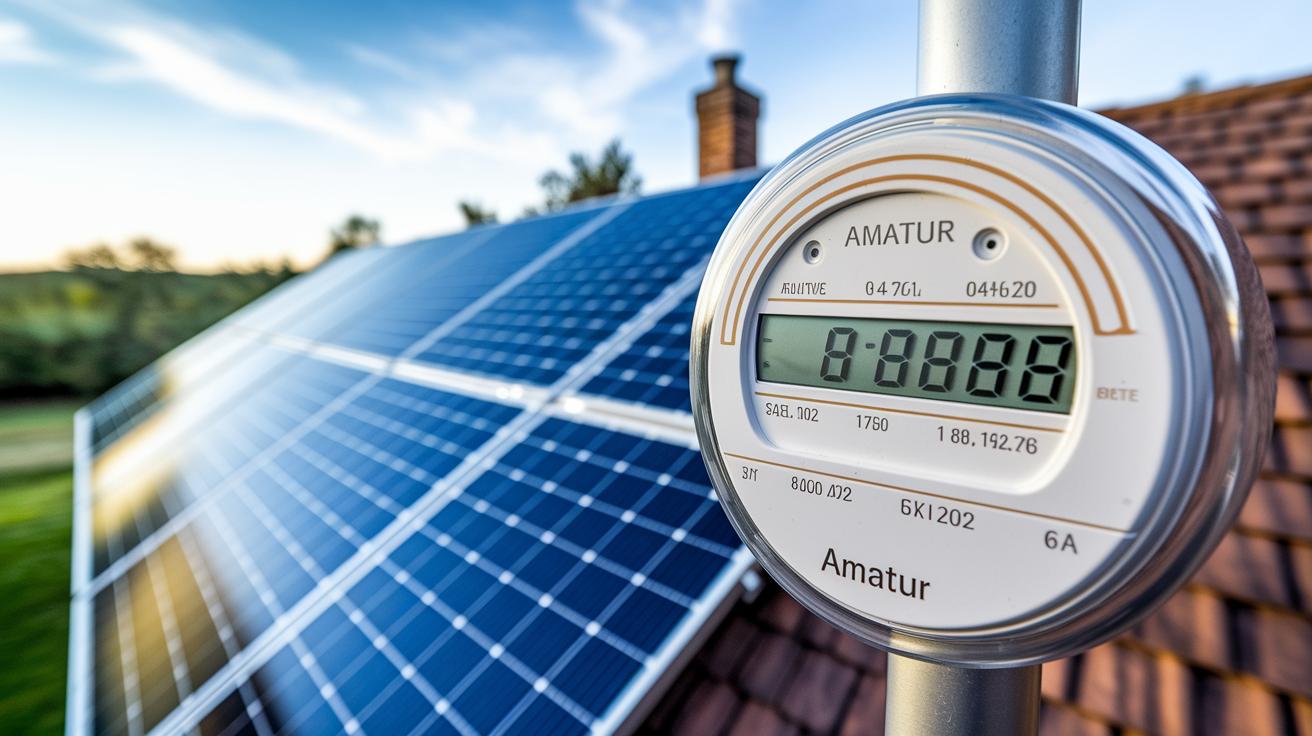
Distributed ledger technology (a shared digital record system) is changing the way we manage energy. It makes our power grids smarter and helps us settle bills faster while cutting down on mistakes. Let’s take a friendly look at six examples of how these ideas work in real life:
-
Smart Electric Meter Integration
Smart meters collect real-time energy use data, which helps avoid delays in getting the numbers right. For example, one city saw billing errors drop by nearly 30% overnight after smart meters were installed. It’s like watching your energy bill get a tune-up in real time. -
Peer-to-Peer Energy Trading
This approach lets people swap extra energy with their neighbors. Imagine a community where everyone shares power at market prices, making the whole neighborhood a bit more self-reliant. It’s a win-win that brings people together while easing the burden on big utility companies. -
Microgrid Ledger Deployment
Microgrids are small local networks that can run on their own. When you use a digital ledger to track every transaction in a microgrid, you cut down on energy lost during transmission and keep costs lower. Think of it as a tiny, efficient power circle that balances renewable energy and daily use without a lot of fuss. -
Blockchain-Enabled EV Charging
For electric vehicles, payment can be tricky. A digital ledger helps manage the payments for EV charging accurately by automatically charging only for the energy used. Picture an EV owner who never has to worry about getting overcharged because everything is tracked perfectly. -
Automated Financial Settlement
With smart contracts (self-executing digital agreements), every energy transaction is settled quickly and securely. Payments close in seconds and every computer in the network has a record, which means fewer bumps along the way. It’s like having a reliable friend who always makes sure things add up. -
Enhanced Data Transparency
Using a shared digital ledger ensures that every transaction is checked and can’t be altered. This level of openness builds confidence for both energy providers and consumers, leading to a safer and smoother running grid. In simple terms, everyone knows what’s going on, and that trust makes all the difference.
Enhancing Renewable Integration via Blockchain-Based Tokenization

Imagine a system where renewable energy becomes digital. Using a distributed ledger (a digital record system), energy from sources like wind or solar can be turned into tokens. Each token acts like a renewable certificate that is automatically checked and verified. For example, think of a wind farm where every bit of power produced becomes a token that is permanently recorded in a digital ledger. This clear, step-by-step record helps cut down on mistakes and fraud.
Blockchain makes it possible to verify these certificates right away. Every token acts like a digital badge showing that your energy is genuine. This open and real-time process stops duplicate records and misrepresentations. It also makes tracking carbon credits much simpler, as every trade is recorded and visible on a shared ledger.
Consider a community solar project where the output of each panel is tracked digitally. Every certificate is resistant to tampering and easily managed, so everyone involved knows the energy is authentic. This method reduces administrative delays and helps investors feel confident because they can see that all energy is securely tracked.
In short, turning renewable energy into digital tokens opens up a smarter and cleaner future for our energy market.
Overcoming Scalability, Energy Consumption, and Security Challenges in Energy Ledgers

Distributed ledger tech in the energy market hits a few bumps that must be smoothed out for it to reach a wider audience. The main issue is scalability. As more users join, transactions start taking longer and costs can climb. Imagine hundreds of smart meters sending real-time updates, small delays here and there can pile up and slow the whole operation.
Another big worry is energy use. Some methods, like Proof-of-Work (a process that secures the network by solving puzzles), can need over 1,000 watts for each transaction. That not only burns through more energy and raises expenses but also makes us question how sustainable it is. It pushes us to consider alternatives such as Proof-of-Stake (a method that secures networks using much less energy).
Security is a further concern. When blockchain nodes (computers that maintain the ledger) link up with external systems, those connection points can be vulnerable to cyberattacks. This is why a strong cybersecurity plan is essential to keep sensitive data safe. Plus, blending old systems with new digital ledger technology isn’t always smooth. Many legacy systems aren’t built to work with the latest decentralized models, and without common standards, interoperability issues can slow down new innovations.
| Challenge | Description | Mitigation |
|---|---|---|
| Scalability | More users lead to slower processing times and higher network costs. | Use layer-2 solutions and streamline protocols. |
| Energy Consumption | High power use per transaction, especially with Proof-of-Work. | Shift to energy-saving models like Proof-of-Stake. |
| Security Vulnerabilities | Weak spots at the link between blockchain nodes and external systems. | Introduce robust cybersecurity measures and regular monitoring. |
| Interoperability | Difficulties in integrating older systems with modern digital ledgers. | Adopt common standards and upgrade legacy infrastructure. |
Regulatory Impact and Compliance in Energy Sector Distributed Ledger Applications

Energy projects using digital ledger technology face a maze of legal rules that vary from one region to the next. Local data protection requirements and energy laws can differ widely, which often leads to delays and makes planning more challenging.
This kind of uncertainty forces companies to juggle different compliance systems. As a result, operational costs can rise, and innovation in digital energy systems may slow down.
Key regulatory points to keep in mind include:
- Different data protection standards that require a tailored approach.
- A variety of regional energy laws, each with its own specific conditions.
- The need for standardization to bridge these differing policies.
Industry leaders are calling for clearer frameworks and better education for all players in the field. By raising awareness among policymakers and energy professionals, digital ledger projects can align more smoothly with new regulations. This push for standard protocols not only helps integrate these systems with older technologies but also boosts overall transparency and reliability.
Addressing legal requirements right from the start can smooth out project execution and lead to quicker market acceptance. In short, facing these compliance challenges head on creates a more predictable and supportive regulatory environment, paving the way for growth and innovation in digital energy management.
Future Outlook for Grid Modernization and Investment in Energy Ledgers

Grid modernization through blockchain (a digital ledger that records transactions) is set to change how we deliver power. In advanced markets, strong growth is already visible because their well-established systems easily handle these new digital tools. In other regions, building these systems can be trickier, but there’s a rising interest in clean energy that could help them skip past old power grid problems.
Investment in energy ledgers is growing fast. Experts expect energy-related digital ledger projects to attract over $5.8 billion by 2025. This influx of funds is sparking fresh ideas and driving progress in both established and emerging markets. Energy-efficient models like Proof-of-Stake (a method that uses much less energy than older techniques) are making the digital shift in power much more practical and sustainable.
Future planning for utility ledgers is now focused on resilience and sustainability. Utility operators are working on solutions that help systems recover quickly from disruptions while managing energy more flexibly. Smart utilities, for example, now enjoy real-time data tracking that boosts proactive decision-making, imagine getting grid insights as easily as checking your smartphone’s weather. For more on upcoming trends in the industry, you can explore further details at the link future of energy production.
Final Words
In the action, this article explored how digital ledgers change energy operations, from ensuring secure record-keeping to streamlining peer-to-peer power trading. It broke down smart grids, renewable tokenization, and addressed challenges like scalability and security.
We wrapped up with a look into grid modernization and future investment. The piece highlighted promising trends in energy sector distributed ledger applications, offering solid insights that bring clarity and optimism to digital asset strategies. This progress sets a positive tone for smarter, more secure investments in digital markets.
FAQ
What are energy sector distributed ledger applications?
The energy sector distributed ledger applications refer to secure digital systems that record energy transactions and manage smart grids, peer-to-peer trading, and renewable integration. They offer improved transparency and efficiency in energy management.
How is blockchain used in the energy sector?
The way blockchain is used in the energy sector involves recording and verifying energy data with a decentralized ledger to support smart metering, digital asset tokenization, and streamlined transactions between producers and consumers.
Which crypto is related to energy?
The crypto related to energy is tied to projects like the Energy Blockchain Consortium, where specific tokens support decentralized power trading and sustainable energy investments within a secure digital ecosystem.
What is the most well known distributed ledger platform?
The most well known distributed ledger platform is often seen as Ethereum, a robust network that supports smart contracts and is widely used for secure, transparent energy transactions and digital asset management.
What are the three types of distributed ledgers?
The three types of distributed ledgers include public, private, and permissioned systems. Each type offers varying access and security controls suited to different energy applications and operational needs.
What challenges does blockchain address in the energy sector?
The challenges blockchain addresses in the energy sector include reducing manual reconciliation, minimizing delays in data reporting, and increasing security at key transaction points, thereby supporting more efficient energy distribution systems.
What role does regulation play in energy sector distributed ledger applications?
The role of regulation involves aligning blockchain deployments with diverse data protection laws and energy-sector guidelines, prompting efforts in standardization and stakeholder education to meet compliance requirements across regions.
How is investment in energy blockchain technology evolving?
Investment in energy blockchain technology is evolving rapidly, with projections expected to surpass $5.8 billion by 2025 as market players adopt energy-efficient models and modern distributed ledger solutions to enhance grid operations.