Have you ever wondered if a small tweak in how we store data could change big industries? Distributed ledger technology (a digital ledger that records and shares info across many computers) spreads data all around, making systems more open and trustworthy. There isn’t one single point of control, so every update gets checked smoothly by a group of peers. Imagine a team of people all giving a thumbs-up at the exact same moment. In this article, we explore how these systems are shaking up areas like finance and healthcare, showing that distributed ledger tech is ready to reshape everyday business operations.
Overview of Distributed Ledger Tech Applications

Distributed ledger technology is a way of storing data across many computers instead of in one central location. Every time a change or update happens, multiple computers check it for accuracy. This means there’s no single boss controlling everything, which makes the whole system more open and secure.
Blockchain is one example of this technology. It organizes information into blocks that are all linked together and stamped with the time they were added. Think of it like a long digital recipe that keeps track of changes. Other methods, like Directed Acyclic Graphs (another approach that organizes data without a linear chain) or systems using multi-signatures and voting, add extra ways to agree on changes.
Key parts of this system include how decisions get made (called consensus models), who gets to participate (through governance frameworks), and the rules everyone follows (the secure protocols). Smart contracts (self-executing agreements) run automatically when certain conditions are met, and decentralized apps, or dApps, provide a simple way to interact with these processes.
Together, these elements make the technology flexible, safe, and ready for real-life use in many areas such as:
- Finance
- Supply Chain
- Healthcare
- Government
- Energy
- Identity
Financial Sector Distributed Ledger Applications

Distributed ledger technology is reshaping how we handle money by offering a new, decentralized way to manage our finances. Digital wallets combined with node consensus (a method for verifying transactions) help keep your funds secure and ensure coins aren’t spent twice. With decentralized finance, or DeFi, people and institutions can connect directly without needing a central authority. Systems today let you enjoy peer-to-peer lending, decentralized exchanges, stablecoins, yield farming, and asset tokenization, all built on secure, self-executing contracts. Imagine a small business quickly accessing credit through a smart contract instead of waiting for traditional bank approvals.
- Peer-to-peer lending
- Decentralized exchanges
- Stablecoins
- Yield farming
- Asset tokenization
On top of that, distributed ledgers are making cross-border payments smoother. Smart contracts (automated programs that run when conditions are met) handle foreign exchange tasks and settle transactions in real time, slashing the fees and delays that come with standard banking. This setup not only secures your assets but also boosts transparency and trust across every transaction. In short, by blending automated processes with secure digital wallets, financial institutions are better equipped to manage risks and streamline payments around the world.
Supply Chain Transparency with Distributed Ledger Tech

Today’s supply chains are full of twists and turns. Companies often wrestle with unclear product paths and the challenge of proving they meet rules and standards. Traditional tracking methods can falter when products change hands several times, which can lead to mix-ups or slow responses to quality issues. Without a secure, tamper-proof record, efficiency takes a hit and risks skyrocket during inspections. Distributed ledger technology (a secure digital system that records transactions) shines here. It tracks every move, from the product’s origin to its final destination, and even monitors details like temperature and location in real time.
| Use Case | Industry | Benefit |
|---|---|---|
| Traceability | Manufacturing | Real-time tracking of goods |
| Compliance | Logistics | Ensures adherence to regulations |
| Audit | Distributors | Immutable audit trails |
| Recall Management | Retail | Efficient, transparent recalls |
Using distributed ledger tech not only makes operations smoother but also builds trust among stakeholders. With clear, tamper-proof records, companies can cut down on errors and quickly tackle any quality or recall issues. This means streamlined logistics and stronger confidence from partners and customers alike, paving the way for more resilient and efficient supply chains.
Healthcare Records & Decentralized Identity on Distributed Ledgers

Distributed ledger technology in healthcare is really changing the way patient data is handled. It lets patients control who sees their records because every update is logged in a secure, unchangeable record. This means doctors can share important information while always respecting patient consent. In short, with this tech, both patients and doctors can feel safe knowing that their data stays accurate and protected.
- Security – Data is locked by encryption and stored safely so no one can alter it.
- Interoperability – Different medical systems can talk to each other and share records correctly.
- Patient Consent – Patients decide who gets to see their records, keeping their privacy intact.
- Auditability – Every access or change is noted down, so there is a clear log of every action.
- Data Sharing – Secure, consent-based sharing helps improve teamwork between healthcare providers.
The same secure ideas behind this technology also help when it comes to credentialing and proving someone’s identity. Imagine your academic or professional certificates stored in a way where no tampering is possible. Digital identities are built using strong cryptography so that your personal information is safe online. This mix of secure healthcare records and decentralized identity tools doesn’t just protect sensitive data, it also makes processes smoother and sets a higher standard for managing important information.
Energy Sector Applications of Distributed Ledger Tech

Electricity grids are always trying to deliver power that is both steady and efficient while keeping up with changing usage patterns. Traditional systems can fall short when it comes to real-time checks, so decisions sometimes lag behind the real needs of the grid.
Distributed ledger technology (a digital system for recording transactions) steps in with a new approach. It tracks energy use and grid demand nonstop, even handling payments automatically through smart contracts (self-executing digital agreements). This means energy data gets managed instantly, making it much easier to adjust distribution on the fly.
Imagine a network where devices talk to each other directly to balance power without a central boss. This technology not only smooths out power flow but also promotes cleaner energy practices. By letting users and businesses trade energy directly, it lowers reliance on outdated systems and cuts down on extra costs.
- Peer-to-peer energy trading
- Grid balancing
- Renewable certificate markets
- Microgrid settlements
Government & Voting Systems on Distributed Ledgers
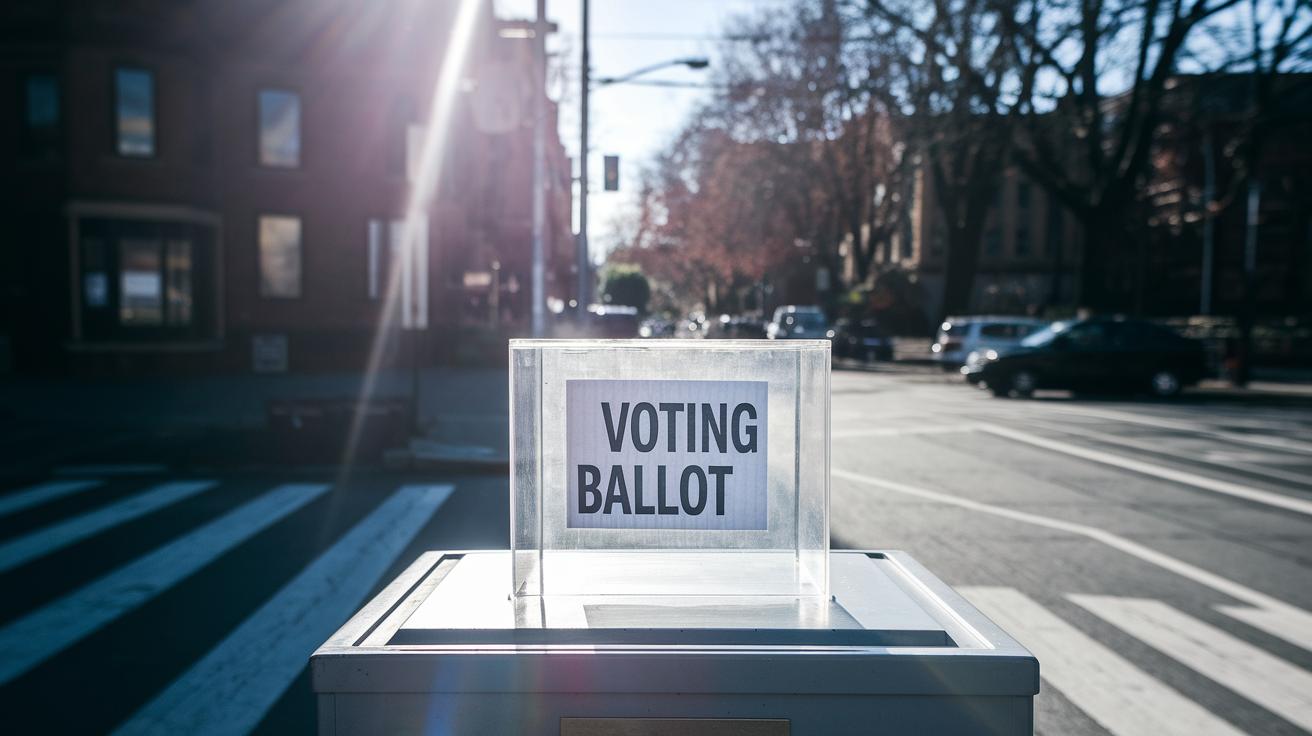
Public systems can sometimes struggle to keep records safe and trusted. Old methods may let unauthorized changes slip through, which shakes public confidence. In Utah’s 2020 trial, a digital voting test using a distributed ledger (a secure digital record that can’t be easily altered) showed much lower fraud risks. This example makes it clear that these systems can boost trust in elections and public records.
- Voting
- Land Registry
- IP Contracts
- Permit Processes
By using tamper-proof logs and self-running contracts, distributed ledgers create a secure way to handle sensitive government data. Every change is clear and visible, which makes the process more transparent. Smart contracts (automated digital agreements) even streamline permits and licenses, reducing mistakes and manual work. This modern method not only protects important data but also makes government work more accountable, building a stronger, trust-based link between public institutions and the community.
Technical Foundations: Consensus, Cryptography & Interoperability Protocols

Distributed ledger technology relies on a few key parts that work together to keep everything safe and steady. At its core, consensus methods like Proof of Work (a system where computers solve tough puzzles) and Proof of Stake (which picks validators based on the amount they hold) combine with approaches like DAG voting and multi-signature to agree on transactions. Cryptography also plays a big role by using tools like SHA-256, digital signatures, and modern encryption (methods that scramble data) to protect information from tampering while keeping it clear. In short, every transaction gets checked, and the system works on a zero-trust principle where each node helps validate outcomes.
Interoperability is just as important. Thanks to advances like cross-chain bridges, standard APIs, and protocol adapters, different systems can share data seamlessly in real time. With multiple nodes confirming each transaction through peer-to-peer validation, the network builds a strong, decentralized security framework. This mix of reliable consensus methods, robust cryptography, and flexible interoperability sets the stage for a secure and trustworthy digital future.
| Consensus Type | Mechanism | Pros | Cons |
|---|---|---|---|
| PoW | Solves tough cryptographic puzzles | Very secure because of intense computation | Uses a lot of energy |
| PoS | Validators chosen based on their coin holdings | More energy efficient and faster | May favor those with more resources |
| DAG | Decentralized voting without a single chain | Scalable and great for high transaction volumes | Not as proven on a large scale |
Interoperability protocols work like bridges connecting different distributed ledgers with traditional systems. They use standard channels, such as cross-chain bridges and protocol adapters, that let various ledgers and applications interact simply and reliably. With each transaction confirmed by several nodes, the system becomes even sturdier. In short, this combination of smart consensus, strong cryptography, and adaptable interoperability paves the way for a secure and promising digital future.
Scalability & Integration Challenges in Distributed Ledger Deployments

Distributed ledger systems often struggle with performance. They process only a limited number of transactions per second and can have delays that slow the entire network. Old systems add another layer of trouble because blending outdated databases with new digital setups is tricky. Plus, choosing between closed (permissioned) networks and open (public) networks means weighing trade-offs, one may boost security while the other offers more openness, and balancing speed, security, and scalability can be a tough call.
Bright new ideas are emerging to ease these challenges and boost performance. One method, sharding (splitting data into smaller pieces), helps spread the workload and process more transactions at once. Other approaches, like layer-2 networks and sidechains, reduce congestion without losing security, making it easier to handle high transaction volumes. And new techniques that connect different digital ledgers let various systems talk to each other. Together, these solutions smooth the integration with older systems and ensure that distributed ledger setups keep pace with today’s fast-moving, connected markets.
Future Directions for Distributed Ledger Tech Applications

Distributed ledger tech is set to change many industries soon. It’s sparking a wave of fresh ideas that change how our digital systems interact. In simple terms, think of distributed ledgers as secure digital ledgers that record transactions.
We’re already seeing a rise in Web 3.0 dApps and NFT ecosystems, which means platforms are becoming more interactive and community-focused compared to traditional online apps. And with better multi-chain integration, moving assets between different ledgers will be as easy as pie, linking networks more seamlessly.
On top of that, mixing AI and machine learning with distributed ledger tech is likely to bring in clever tools like smart oracles and real-time decisions. New token systems and decentralized ways of governing these techs will give people more control over updates and changes.
There are also exciting new uses like audit automation in IoT networks (where everyday devices connect and share data), which could make things clearer and more efficient. Altogether, these advances are paving the way for a bold new era in managing both digital and physical assets, reshaping how we think about trust and security today.
- Web 3.0 dApps
- Cross-chain bridges
- AI+DLT analytics
- Decentralized governance
- Audit automation in IoT
Final Words
In the action, we explored distributed ledger tech applications, breaking down how these systems reshape finance, supply chain, healthcare, energy, government functions, and more. We looked at how innovative consensus, smart contracts, and technical protocols build trust while boosting efficiency.
This article shows that a clear understanding of distributed ledger tech applications opens up creative ways to manage digital assets. Embracing these insights can lead to smarter investments and stronger peer discussions, paving the way for a confident and successful digital portfolio.
FAQ
What does distributed ledger technology mean?
The distributed ledger technology means a decentralized database system that records transactions across multiple computers, reducing reliance on a central authority and boosting data security through cryptographic methods.
What are some examples of distributed ledger technology?
The distributed ledger technology examples include blockchain and directed acyclic graphs (a structure where data flows in only one direction). Each example secures transactions using distinct validation methods.
How does distributed ledger technology differ from blockchain?
The distributed ledger technology differs from blockchain in that blockchain organizes data in linked blocks, while other DLTs might use alternative structures like directed acyclic graphs and different consensus methods to verify information.
What are the applications of distributed ledger technology?
The distributed ledger technology applications span multiple sectors such as finance, healthcare, supply chain management, and government. This offers secure, transparent record-keeping and efficient transaction verification.
Where is distributed ledger technology used?
The distributed ledger technology is used across fields like finance, supply chain, healthcare, energy, and public records where tamper-resistant features create trust and improve operational efficiency.
How is distributed ledger technology applied in crypto?
The distributed ledger technology in crypto supports secure digital transactions by preventing double-spending and enabling decentralized finance. It validates transfers with cryptography, ensuring efficient digital asset management.