Ever wonder why stock prices can drop so fast? A quick surge in sellers can shake up the whole market in a flash.
In this post, we explore the common triggers behind these sudden dips, from economic jitters to unexpected financial news. Once you understand these moments, you'll know when to hold back or grab a bargain. Stick with us to learn what really fires off these sell-offs and how you can be ready when surprises hit.
Key Drivers Behind Rapid Market Sell-Offs

A market sell-off occurs when a lot of investors decide to sell their stocks all at once, and that sudden rush can make prices fall very quickly. It usually happens when the market becomes uncertain and investors, feeling nervous, all try to exit at the same time.
Understanding what sets off these sell-offs is important. It helps you know when to be cautious or even when to spot a buying chance. Knowing these reasons can guide your decision to hold on, sell, or even buy during tough market moments.
- Geopolitical events
- Recession fears
- Earnings surprises
- Credit stress indicators
- Technical breakdowns
- Liquidity shortages
- Algorithmic trading spikes
Each of these factors can serve as an early alert. For example, geopolitical events might spark worries about global stability, causing many to get nervous. Earnings surprises can catch investors off guard and make them question a company’s performance. Credit stress indicators show that financial strains are present, which could make borrowing more expensive or risky. When technical breakdowns happen, say, a stock stays below a key moving average for a while, it signals that market momentum may be shifting. Liquidity shortages mean it can be tougher to buy or sell stocks at expected prices, and a spike in algorithmic trading can make these price swings even more pronounced, as automatic systems react instantly to new data.
When these triggers hit, investors often rush to secure cash or adjust their portfolios to steer clear of high risk. At the same time, some savvy buyers see lower prices as a chance to make a purchase. This mix of quick reactions is what drives the rapid declines we see in sell-offs.
Economic Instability Signals and Policy Shifts Driving Sell-Offs

When talk of a recession surfaces, the market feels the pressure. Investors notice signs like rising unemployment and slower business activity, prompting them to sell stocks to avoid further losses. Michael Langham from abrdn mentioned that while things might seem grim, the real economic picture might not be as bad as it appears. These recession signals spark a cautious and immediate reaction from both buyers and sellers.
Rising interest rates add another layer of concern. As rates increase, borrowing money becomes more expensive for businesses and consumers alike, leading them to scale back on spending. At the same time, moves by central banks, such as adjustments in monetary policy, can unexpectedly reshape the financial landscape. This uncertainty often makes investors rethink their strategies, with many expecting a slowdown in growth.
In addition, shifts like pulling back on fiscal stimulus and fears of mounting budget deficits unsettle the market even more. Measures to tighten money supply and reduce government spending leave investors feeling the need to protect their portfolios. These policy changes can trigger a domino effect, causing even more sell-offs during unstable economic times.
2. what triggers market sell-offs: Prime Market Drivers
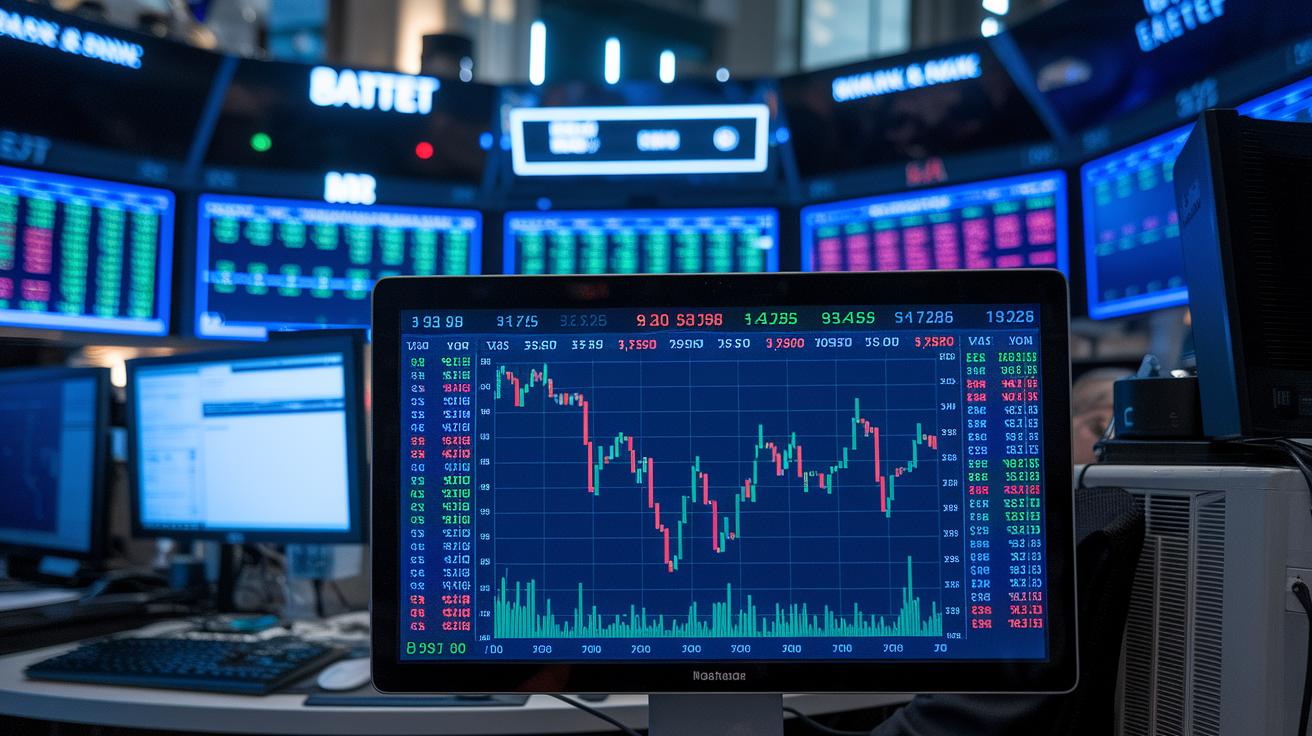
Moving-average breakdowns often kick off a sell-off. When the S&P 500 falls by 5% from its high and dips below its 200-day moving average, it signals that the trend might be shifting. Simply put, a 5% drop in this scenario has a 25% chance of deepening to a 20% loss, while the same drop above the moving average only has a 19% chance. Imagine checking your portfolio one day and noticing a key indicator flashing a warning. It’s enough to get any firm on edge.
Algorithmic trading and high-frequency trading only add to the pressure. These computer systems can act in milliseconds, speeding up price drops as soon as they sense a weakness. You know, a computer program once triggered a flash crash by placing thousands of orders in just seconds, sending prices plummeting unexpectedly. Such rapid trades can quickly overwhelm traditional investors, pushing the market further down during volatile times.
Meanwhile, liquidity drains make matters even tougher. With fewer buyers around, bid-ask spreads widen, so even a small sell order can trigger a bigger drop. This often leads to margin calls, forcing traders who borrowed money to sell off their positions quickly, making the sell-off even more severe. All of these factors create a feedback loop that makes the market’s decline both fast and hard to manage.
Investor Psychology and Herd Mentality Effects on Sell-Offs

When the market takes a downturn, fear can make investors rush to sell everything. Prices start to drop and emotions hit hard. It’s like watching a friend hurriedly offload stocks because they sense a looming storm, even if the forecast is clear. This reaction tends to create a chain effect that pushes the sell-off even further.
Herd behavior plays a big part here. Many investors watch others sell their shares and decide to join in to avoid any risk. When lots of people make the same cautious choice at once, it can deepen the market plunge. It’s almost like following a crowd; one move leads to another until the whole market feels it.
Today, we have smart tools that track what’s buzzing on social media and trading platforms. These tools help us see the overall mood by measuring simple signals of fear or uncertainty. Many everyday investors use stop-loss orders as a kind of safety net. By keeping a close eye on these trends, they can tweak their strategies on the fly. This approach makes it easier to stay level-headed and make choices that are a bit more thoughtful, even in rough times.
Global Financial Shocks and Geopolitical Catalysts for Sell-Offs

Outside the US, markets like the ASX and Hang Seng can suddenly drop by about 5% several times in one year. It shows how political shifts or jitters in one country can ripple through local markets, causing sell-offs much like those in mature economies.
In many emerging markets as well as indices like Nasdaq, even small stresses or local policy changes can send investors scrambling. Picture a scenario where a minor political unrest or a tweak in regulations makes investors nervous, it can lead to fast, sharp declines.
Trade disputes and political uncertainties often fan the flames, triggering widespread sell-offs. Trade tensions can escalate quickly into disputes that unsettle global supply chains, and the risk of a falling currency makes investors worry about losing capital. In many cases, the fear of a broader impact makes investors sell assets across different sectors almost in unison.
Historical Patterns and Statistical Insights into Sell-Off Episodes
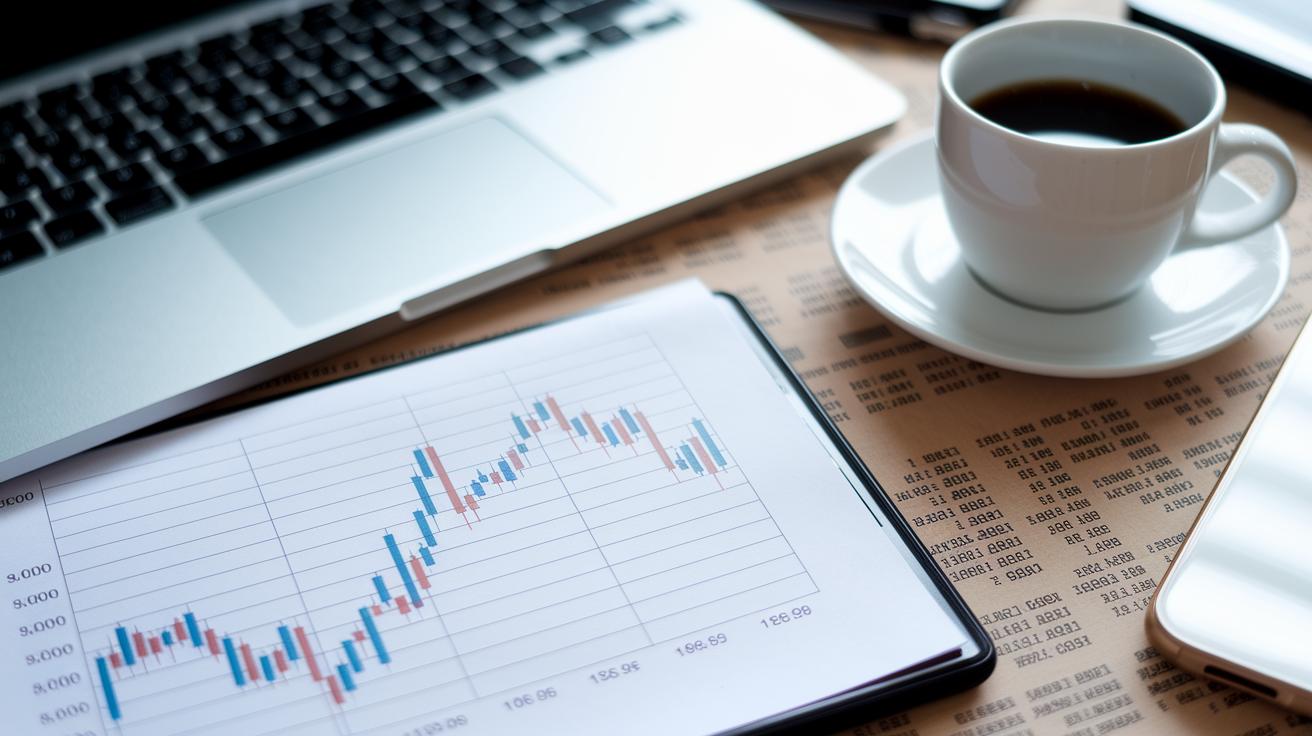
The S&P 500 shows us interesting trends over the past century. Since 1929, the market has experienced roughly 1.7 events each year where prices drop by 5%. More recent years (from 2000 to 2018) see about 1.6 such declines annually. For deeper dips of around 10%, early periods recorded an average of 0.74 events per year, while later years averaged 0.68. It’s intriguing to think that if a sell-off occurs above the 200-day moving average, there’s about a 38% chance that a 10% dip could worsen into a 20% drop.
| Period | 5% Sell-Offs per Year | 10% Sell-Offs per Year | Probability Turn to 20% |
|---|---|---|---|
| 1900s | 1.7 | 0.74 | 38% |
| 2000–2018 | 1.6 | 0.68 | 38% |
| Nasdaq-specific | N/A | 91% of years | 20% |
Looking back at these numbers gives a useful perspective. It reminds us that while past data helps set a benchmark for market behavior, unforeseen economic shifts can quickly change the picture. So, when you dig into these statistics, keep in mind that historical trends offer insight but don’t guarantee that the market will behave exactly the same way in a future full of surprises.
Risk Management Failures and Defensive Tactics in Market Sell-Offs

When your investments all pile up in one area, you risk big losses if that part takes a hit. Many folks skip using stop-loss orders because they hope prices will bounce back instead of setting up a little safety net. One investor even said, "I kept buying more, convinced the market would recover soon," only to suffer bigger losses when things turned sour. This kind of overconcentration and ignoring built-in protections can really hurt during market downturns.
Using tactical tools can make a big difference when times get rough. Stop-loss orders automatically sell your stock if it drops below a certain price, which helps keep losses in check. Put options work like a backup plan, letting you sell at a set price within a set time, while limit orders make sure your trades happen only at prices you choose. These tools serve as a built-in defense, so you don’t have to watch the market every minute during sudden changes.
A regular check on your portfolio is also key. By rebalancing your investments and adjusting for risk, you can reduce your exposure to overhyped sectors. Think of it like checking your car’s oil, routine maintenance keeps everything running smoothly. Sticking to a rebalancing schedule can transform a lopsided portfolio into one that withstands sudden market drops, giving you a practical way to manage risk during sell-offs.
Final Words
In the action, this article has detailed key drivers behind market sell-offs. It explained how factors like major global events, fiscal policy shifts, technical trading signals, and investor behavior combine to spark sharp declines. We even looked at historical trends and risk management tactics to provide workable insights. By understanding what triggers market sell-offs, you gain a clearer picture of market behavior and can make smarter, more resilient investment decisions. Keep exploring these ideas and remain confident as you apply them in your digital strategy.
FAQ
What triggers market sell-offs today?
The triggers for market sell-offs today include unexpected global events, sharp earnings surprises, shifts in economic policies, and technical breakdowns that prompt automated trading responses, which can prompt rapid selling.
What does sell-off mean in finance and can you provide an example?
The sell-off in finance means a quick, widespread drop in asset prices due to mass selling. For example, investors may quickly offload stocks following negative earnings news, resulting in sharp price declines.
What is the 7% sell rule?
The 7% sell rule means that when a stock falls 7% below a key benchmark (like a moving average), it may trigger a sell signal to limit risk and reduce potential losses.
What causes people to start selling off their stocks?
The decision to sell stocks often comes from investor panic, driven by negative economic signals, unexpected corporate news, or technical breakdowns that increase fear of further losses.
What triggers the market to stop trading?
The market may stop trading when rapid price declines or severe volatility activate built-in circuit breakers designed to halt trading temporarily and prevent further market drops.