Have you ever wondered if you could make money from sudden market changes? Traders often race to catch a quick price move before it slips away. Even though these fast markets might seem risky, using smart tactics like quick trading and careful risk control can change the game. In this post, I'll share clear, real-time tips for turning those split-second shifts into real wins. So, are you ready to see how you can put rapid changes to work and thrive when the market gets wild?
Real-Time Pulse Strategies for Volatile Markets
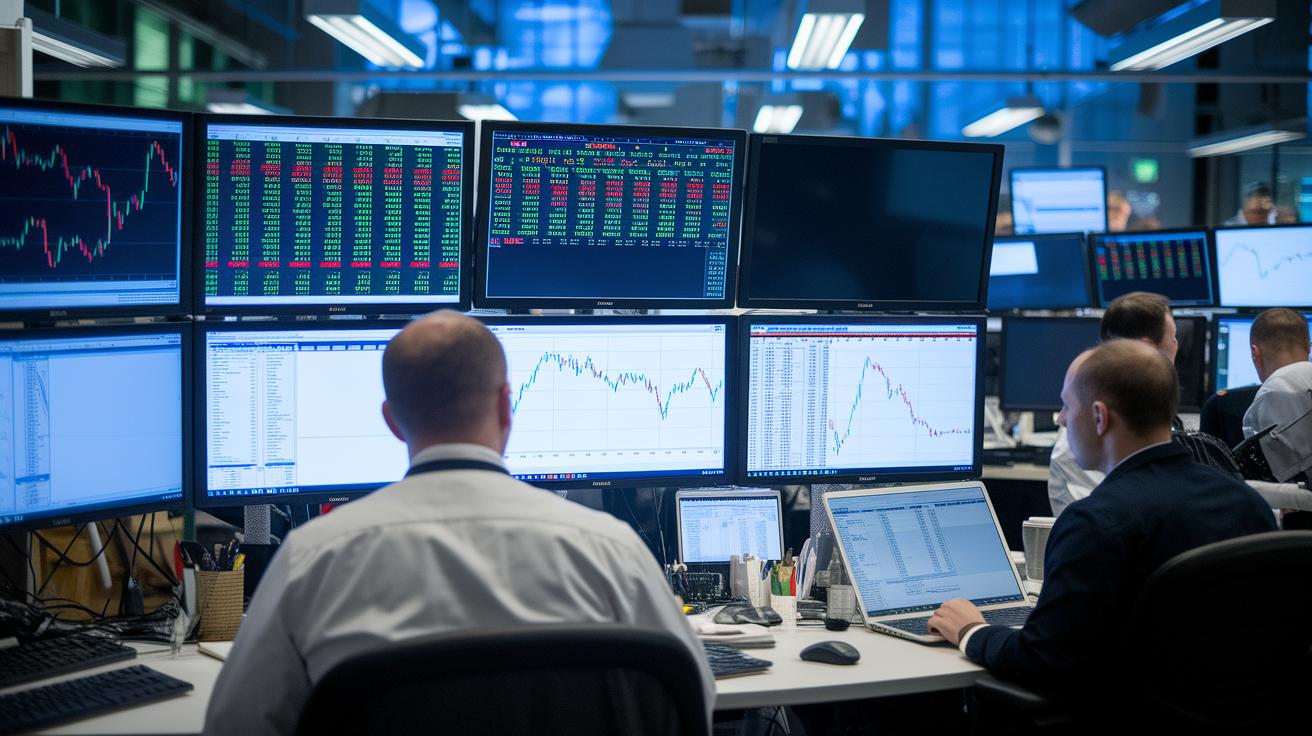
Navigating volatile markets means spotting fleeting opportunities fast. Scalping, for example, focuses on tiny price moves in just seconds or minutes. Day trading means buying and selling within the same day to avoid any overnight surprises, and swing trading holds positions for days or weeks to take advantage of mid-term trends. Traders often say, "You can capture profits from rapid tick changes in the blink of an eye," showing that tracking live market signals can turn a quick shift into a smart trade.
Tools such as the VIX (a fear index that shows overall market anxiety) and ECN-enabled platforms (systems that offer deep liquidity and super-fast trade execution) are key in these fast-moving situations. They help traders quickly understand sudden market shifts. For instance, when the Reserve Bank of Australia cuts its rate from 4.35% to 3.85%, it acts as a clear cue to reassess your risk.
To manage risk during extreme market moves, many traders use hedging techniques like options or futures. They keep a close eye on rapid price surges and real-time signals, ensuring they step in or out as needed. It’s all about mixing scalping, day trading, and swing trading while vigilantly controlling risk.
Volatile Market Pulse Indicator Analysis

Reading market shifts can be tricky, but simple indicators help us get a feel for when things might change. One of these is the Bollinger Band Squeeze. When the bands (calculated using standard deviations) get tight, it usually hints that the price is ready to move soon, kind of like a quiet neighborhood that's about to burst into activity.
Another tool is the Keltner Channel Breakout. This one uses EMA-based bands (EMA stands for Exponential Moving Average, a method that gives more weight to recent prices) to track movements. Traders wait for the price to pull back to the channel boundary even after a breakout occurs. It’s like waiting for a clear cue after a signal to make your move under the pressure of a shifting market.
If you’re watching for changing momentum, consider the RVI and EMA Crossover method. This approach mixes the Relative Volatility Index (a tool that measures price fluctuations) with fast and slow EMAs. When these lines cross, it’s a cue that the trend might be shifting, almost like noticing a change in the wind before a storm rolls in.
Then there’s the VWAP and RSI Mean Reversion strategy. This method pairs the daily average price (VWAP stands for Volume Weighted Average Price, a tool that shows the average price weighted by volume) with the Relative Strength Index (RSI, which indicates if a market is overbought or oversold). When prices stray from what is typical, it signals a potential time to jump in or get out.
| Indicator | Mechanism | Entry/Exit Signal |
|---|---|---|
| Bollinger Band Squeeze | Bands based on standard deviation tighten | The squeeze suggests low volatility and a move ahead |
| Keltner Channel Breakout | EMA-based bands with a retrace requirement | Wait for price to return to the channel for entry |
| RVI and EMA Crossover | Combines the Relative Volatility Index with fast and slow EMAs | A crossover signals a potential shift in trends |
| VWAP and RSI Mean Reversion | Merges average pricing with momentum checks | Overbought or oversold signals mark reversals |
Volatile Market Pulse Risk Management & Hedging
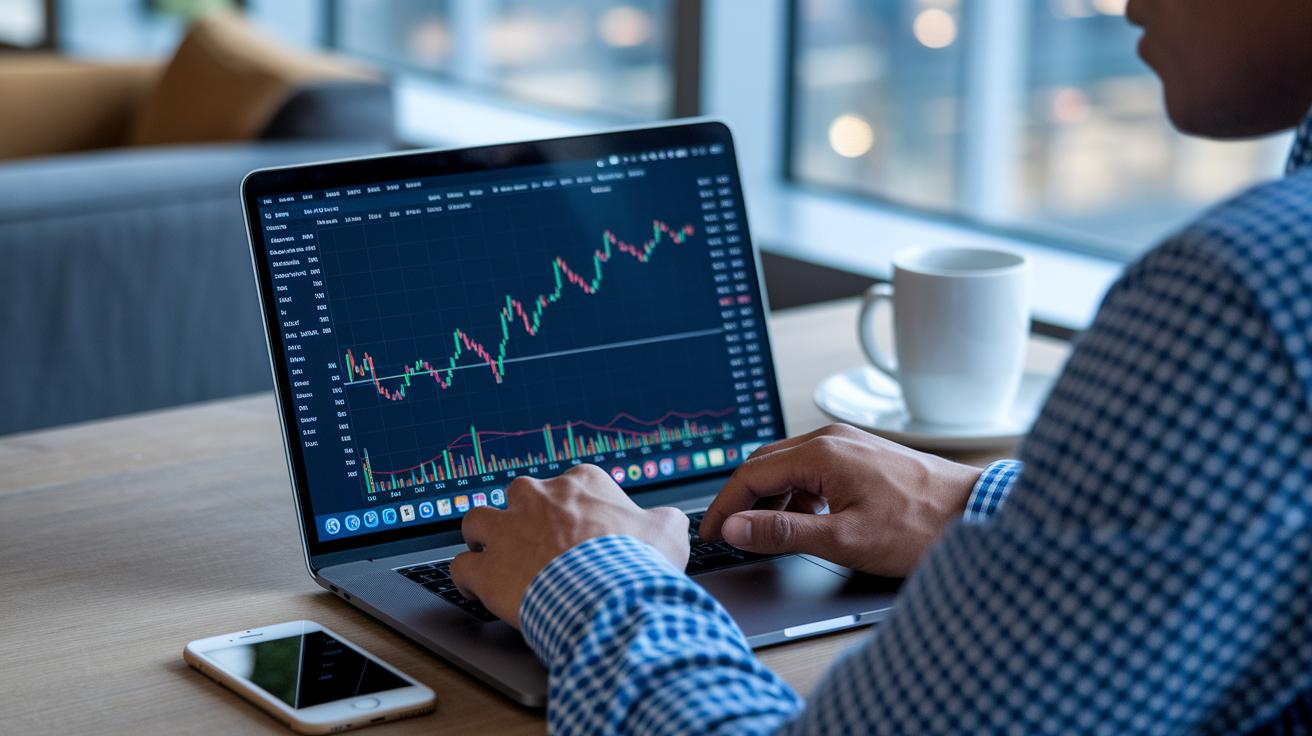
Using stop-loss and take-profit orders is like having a safety net to keep your losses low and lock in gains when the market moves suddenly. They work automatically to protect you. One trader once said, “I set a stop-loss at 2% below my entry, and it stopped my losses before they could get out of hand.” This shows that a simple rule can really help prevent big losses.
Keeping each trade to just 2% of your total money is smart. It means that even during wild market swings, your overall portfolio stays safer. And by using less leverage (borrowing money to invest), you lower the risk of a small mistake turning into a big loss. Think of it like stepping back to see the whole picture on a clear day instead of trying to navigate in a storm.
Watching major announcements, such as central bank rate changes, is also key. These events act like a heartbeat for the market, signaling when big moves might happen. For instance, when the Reserve Bank cuts rates, markets can react quickly. One trader shared, “When I heard about the rate cut, I quickly adjusted my positions to keep unexpected losses at bay.”
It’s important to have a plan and stick to it. Letting emotion drive your moves can lead to mistakes. Clear rules about when to exit a trade can keep you on track. Plus, using hedging with options or futures (contracts that let you buy or sell at a set price) can help balance the risk. This strategy works like a shock absorber, softening the impact when the market gets rough.
Algorithmic Pulse Design in Volatile Market Strategies
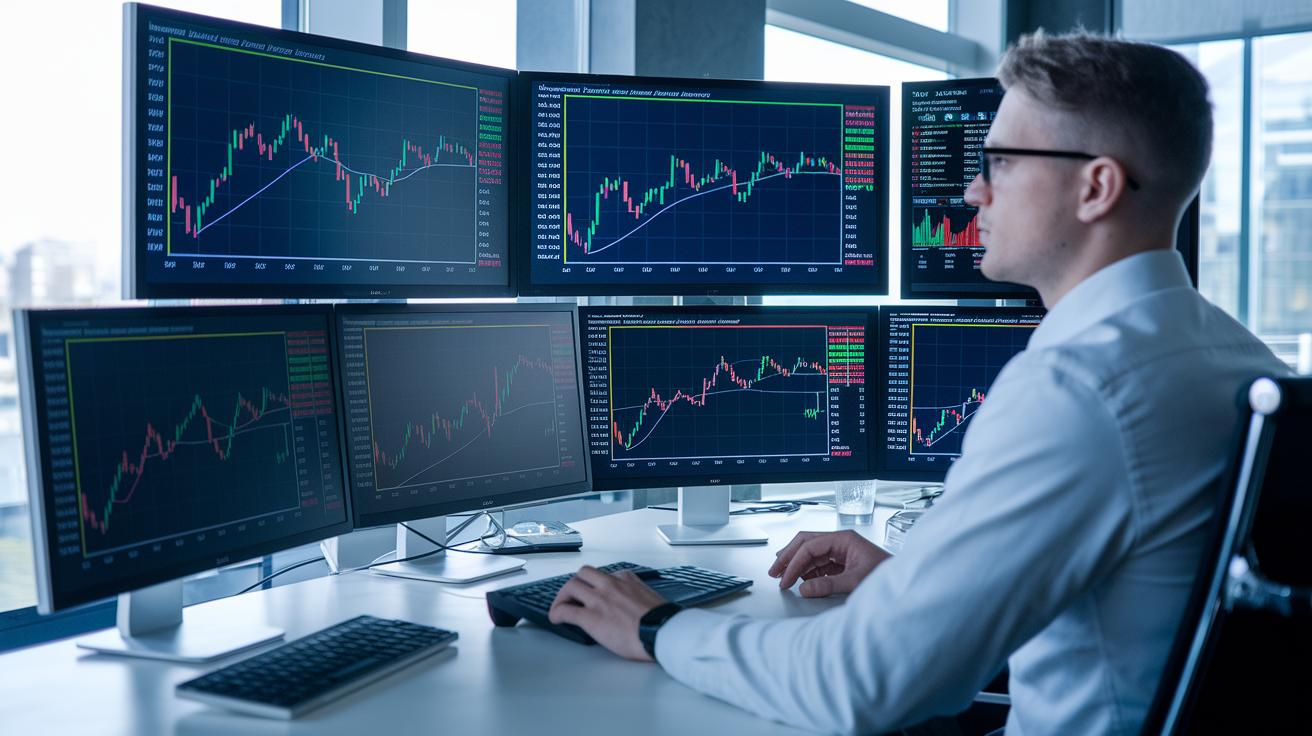
When markets shift in a heartbeat, algorithmic systems become a trusted ally. These smart setups watch every tiny price move, volume surge, and volatility spike to send real-time alerts. Picture a system that catches a sudden surge in trade volume just as prices begin to dance, it feels like having a tireless digital helper by your side.
These dynamic models constantly tweak themselves with rolling backtests, much like a clock that checks its own work. They use feedback from machine learning (a method where computers learn from data) to fine-tune their settings. This continuous adjustment sharpens decision-making, ensuring the system reacts in seconds as market momentum shifts.
One impressive feature is the precision pulse mapping, where alerts are synced with the best moments to make a move. Whether you're trading stocks, foreign exchange, futures, or even cryptocurrencies, the method remains robust. For example, in digital coin markets, a finely tuned algorithm might spot a crucial price change right before a breakout. This kind of approach gives traders a practical advantage when deciding the exact time to buy or sell.
These momentum trackers dive deep to spot subtle changes long before traditional tools can catch them. They blend historical data with real-time tweaks, much like a weather forecast that updates as conditions change. By filtering out the market’s noise, each signal gets mapped with care. The end result is a strategy that feels both smart and responsive, perfect for times when market volatility is king.
Volatile Market Pulse Case Studies & Methodologies

When you dive into real-world trading, using pulse trading strategies can really pay off by relying on clear metrics and fast, smart choices. For instance, one case study focused on a microcap equity strategy that earned a 5% gain in just 30 minutes by capitalizing on a sudden 150% jump in volume. Picture that: a small stock climbs high in a short time because someone caught that sudden spike.
Another case showed a strategy using a G10 currency pair which made a neat 2% profit during the same day, just after a rate cut by the Reserve Bank of Australia. The rate cut set the stage for a quick market entry as investors reacted fast to the news. This case reminds us how important it is to blend broad economic signals with quick, tactical moves.
Then there’s the example of a 4-hour strategy that used VWAP (a technical indicator showing average price over a set period) and RSI (a measure of price momentum) with commodities. This method brought in a 3% gain over five sessions, showing how tracking cyclical patterns and natural market reversions can help secure steady profits over a medium time frame.
Lastly, an equities algorithm based on tick-by-tick data with RVI/EMA crossover rules managed to capture a daily alpha boost of 1.2%. These automated models focus on minute price shifts, proving that even small movements matter when you use smart systems that handle lots of data.
All of these cases highlight how having clear, data-based strategies can really change the game. By breaking down the key rules and performance details, traders mix solid theory with real-world practice to keep up with the fast pace of today’s markets.
Resilient Portfolio Building with Volatile Market Pulse Strategies

Build a strong portfolio by mixing your long-term holdings with a smaller 10-20% slice set aside for quick, volatility-driven trades. This strategy lets you chase short-term chances while preserving overall stability. Think of it like stirring a pinch of spice into your favorite stew, it gives a kick without taking over the whole flavor. One trader even said that balancing solid investments with nimble moves made a big difference.
Get ready for unexpected market shifts by setting clear stop zones to limit losses. And why not lean on smart tech? Using automated tools that adjust your portfolio throughout the day with real-time data is like having a built-in thermostat for your investments. These systems change your position sizing based on dynamic risk measures (like Value at Risk, a way to see how much you might lose), so you can respond as conditions change.
Make sure to check your portfolio's health regularly by tracking key numbers such as the monthly Sharpe ratio and the worst loss you might expect (max drawdown). Keeping an eye on these stats can help you adjust your trading plan when things start to wobble. A seasoned investor even mentioned that monitoring these figures saved them from making hasty moves during market dips. In short, this balanced approach lets you ride out market ups and downs while still aiming for long-term growth.
Final Words
In the action, we explored real-time tactics that capture opportunities in fast-shifting investment environments. We reviewed technical indicators, risk management practices, algorithmic approaches, and practical case studies that guide responsive trading moves. Each section builds a strategy to balance rapid adjustments with longer-term stability. These volatile market pulse strategies serve as a toolkit for smart portfolio building, paving the way for clear, confident decision-making. Every strategy is a step toward a more empowered, dynamic trading experience.
FAQ
Q: Which option strategy is best for a volatile market and what is the best strategy for volatility?
A: The best option strategy uses tight stop-loss orders and hedges with options or futures. It limits exposure while capitalizing on rapid price swings with techniques like scalping and day trading.
Q: How can one win in a volatile market?
A: Winning in a volatile market means using quick-reacting strategies that monitor real-time indicators and implement active risk control to catch favorable moves without exposing too much capital.
Q: What is a volatile strategy?
A: A volatile strategy focuses on capturing opportunities during quick market swings through short-term trades, real-time signals, and robust risk controls while protecting your overall portfolio.