Have you ever wondered how a tiny change in interest rates might set off a chain reaction in the market? Imagine the market as a team where buyers, sellers, and even lawmakers all play a part in setting the pace. Trade rules, supply levels, and what people spend work together like teammates to shape the scene.
Today, we have tools that show real-time data almost instantly. Each factor sends signals that touch our daily lives, much like a friendly nudge. In this post, we’ll dive into eight main drivers and see how they get the ball rolling on exciting market trends.
Understanding the Main Drivers of Market Pulse
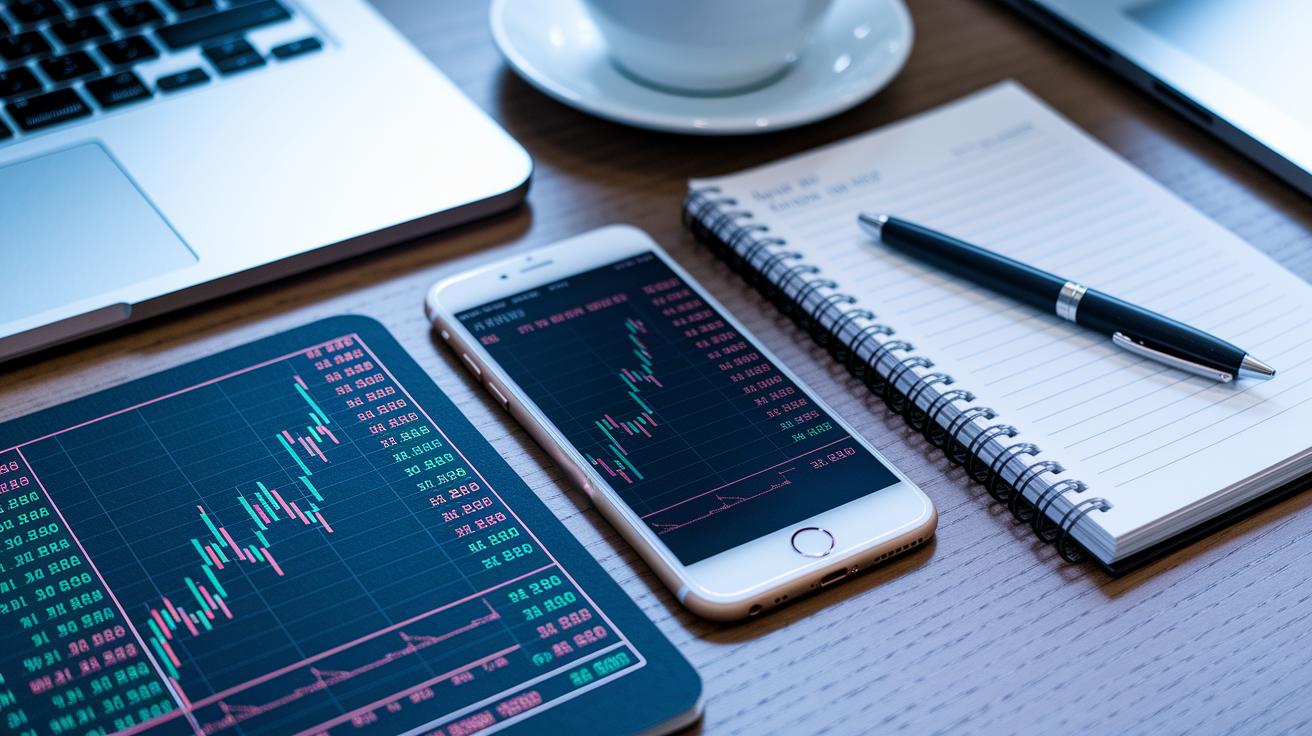
Market pulse comes from a lot of different factors that all work together. Think of it like a team effort between buyers, sellers, and even lawmakers. In today’s world, things like changes to interest rates and tweaks in global trade are key players in this process. Plus, with tools that give us real-time data, we can see these shifts happening almost as soon as they occur.
Let’s take a closer look at the eight main drivers:
- Interest rate fluctuations: When the Federal Reserve changes rates, it has a big impact. For example, keeping rates steady can move major indices like the Dow Jones by about 0.67%.
- Supply fundamentals: This is all about how much product producers are ready to offer. It directly affects what’s available and the prices you see.
- Demand fundamentals: When consumers have more income or follow trends, their willingness to buy helps balance the market.
- Central bank policies: Besides setting rates, central banks create monetary environments that shape investments and control how much money flows around.
- Consumer confidence: If consumers start to change their spending habits, it can hint at what the market might do next.
- Tariff and trade adjustments: Changes in trade rules or tariffs can shift production costs and, in turn, influence market trends.
- Technological advancements: New methods in manufacturing or digital services not only make things more efficient but can also change supply dynamics.
- Data analytics tools: Modern tools that analyze information in real time help businesses react quickly. Imagine a company that adjusts its prices as soon as new buying trends appear.
When you put all these factors together, they create a complex system that drives the market’s rhythm. A tweak in interest rates, for instance, might start a chain reaction affecting both supply and demand, which then influences consumer behavior and even trade rules. Meanwhile, technology and data tools help us catch these changes immediately. It’s a bit like watching a synchronized dance where every step matters, offering a clear picture of the market’s overall health.
Economic Indicators Influencing Market Pulse

Interest rate shifts, inflation trends, and monetary policy decisions all come together to shape our markets. When the Federal Reserve leaves rates unchanged, it tends to give the US dollar a steady value and creates an environment that feels both secure and supportive of gradual economic growth. This steady approach helps investors feel comfortable, encouraging spending while keeping inflation in check.
The consumer price index and GDP numbers are essential clues in understanding our economic health. If the consumer price index rises, it hints that inflation might be picking up, prompting investors to be extra careful in both bond and stock markets. At the same time, GDP numbers offer a clear view of whether our economy is growing or slowing down, which then influences policy decisions. For instance, Asian markets sometimes respond strongly to a rate decision by the Fed, a reminder of how our world’s financial systems are closely linked. These changes in benchmark rates can also ripple through sectors like technology, where investors shift positions based on future growth expectations.
Taken together, these indicators provide a snapshot of market mood. By keeping an eye on them, investors can get a sense of where the market might be heading and plan their trading strategies accordingly.
Supply and Demand Forces Shaping Market Pulse

Markets work best when what people want lines up with what producers offer. Even a small change in supply or demand can shift prices and trading levels. Think of the smartphone or urban housing markets, where changes in output or consumer choices quickly shake things up.
When we look at supply, we see factors like how much producers can make, costs, and rules they must follow. For example, when production gets cheaper or rules become less strict, manufacturers can bump up their output. This means more products hit the market and prices can move around as a result.
On the demand side, what people buy is influenced by their income, tastes, and broader economic conditions. When incomes rise or personal preferences shift, people adjust what they purchase. New technologies or lifestyle trends can also drive these changes, leading to different price points across various markets.
Breaking these ideas apart makes it clear that changes in supply or demand send ripples through the market. Whether it's a boost in production or a shift in buying habits, the effects can vary across industries. Here are a couple of simple examples to illustrate:
| Case Study | Factor Shift | Market Response |
|---|---|---|
| Smartphone market | Rise in new tech | More products, steady pricing |
| Urban housing | Growth in construction and population | Fluctuating prices |
Investor Sentiment Analysis in Market Pulse

Investor sentiment is key to understanding how the market moves. It tells us how investors feel about the future and shapes their trades both now and down the road.
Many clues come from number-based measures. For instance, the Consumer Confidence Index gives us a simple figure showing whether buyers are hopeful or worried. Other numbers like margin debt and put-call ratios hint at changing trading habits. Experts often mix these figures with technical analysis (studying market charts) to see how much risk traders are taking. Lately, these numbers have helped spot when trends might flip or when a market correction could drag on.
On the other hand, some signals come from observing what people actually do. Surveys focused on specific market sectors and personal stories provide insight into shifts in consumer habits or trading methods. These details often reveal how our feelings and biases can push market moves. Sometimes, a small change in survey results even comes before a big change in market direction.
Together, these number clues and personal insights give us a full picture of the market’s heartbeat. They help us understand both the clear-cut trends and the finer, human details behind investor behavior.
Regulatory and Policy Changes Affecting Market Pulse

Tariff changes and trade policy talks can shake up the market instantly by altering production costs and shifting what investors expect. When governments roll out inflation relief or fiscal stimulus, consumer spending picks up, and company profits get a fresh twist. Markets react fast, with participants adjusting their strategies almost immediately. Have you noticed how a tweak in trade rules can rapidly change prices across industries?
When new financial market rules or guidelines are announced, the market can get a bit unpredictable. Investors pay close attention because even small policy shifts can mix up supply and demand. Such news often leads to changes in trading volumes and risk assessments as everyone recalculates their next move in the evolving landscape.
Changes in policies, like tax adjustments or shifts in government spending, set fresh ground rules for the market. These shifts tweak the balance between production and consumption, leaving a lasting mark on overall market behavior.
Geopolitical Variables Impacting Market Pulse
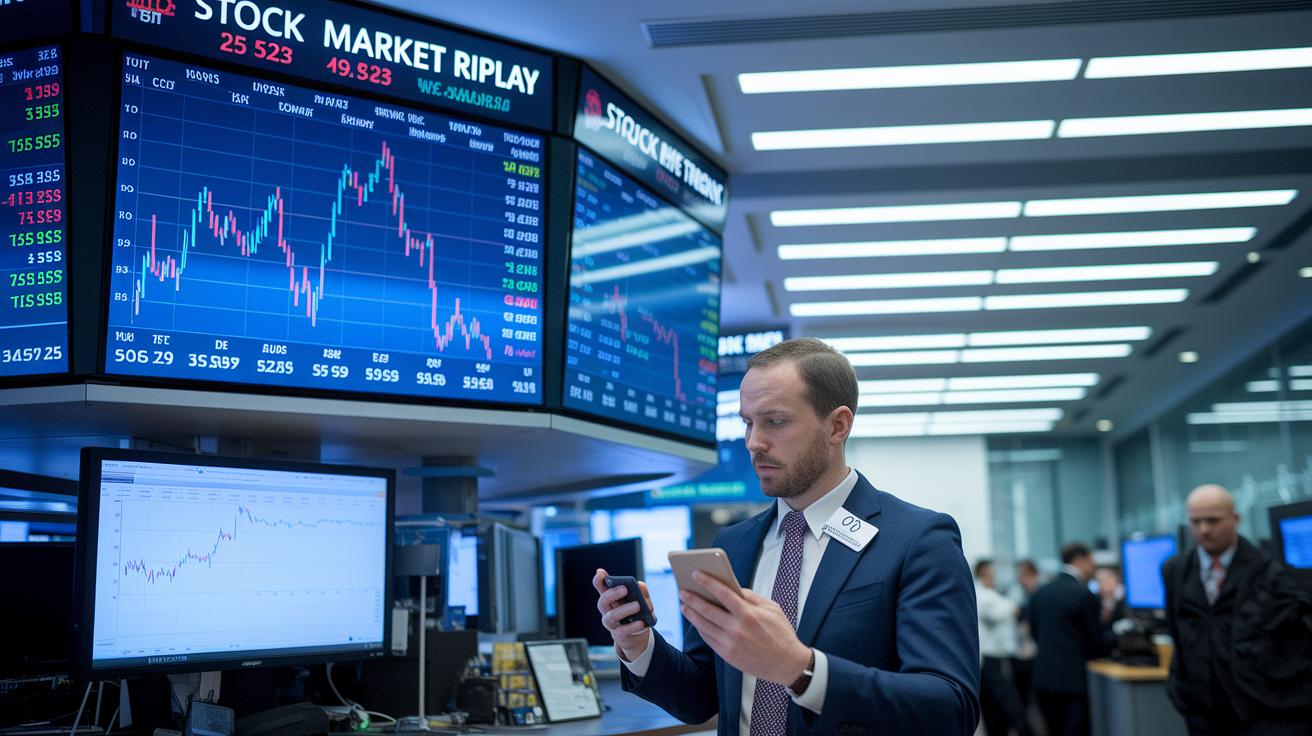
Our world is tightly connected, so a change in one region can quickly shake up markets everywhere. Think of it like a ripple effect, when the Fed holds rates, gains in Asian markets can spread across borders, reminding us that one country's events often matter to others.
One way to keep a close eye on risks is by watching political events like elections and protests. These moments can make investors nervous because they cause uncertainty in how assets are valued. For instance, if a key region faces political turmoil, local companies might alter production, which in turn can move the market prices. By tracking these risks, investors can get ready for unexpected market shifts.
Trade issues between countries also play a big part in market ups and downs. Disputes over international trade can mess with supply chains and change how prices are determined in many industries. Looking at details, like the numbers behind imports and exports and any tariff changes, helps analysts understand how these tensions might affect the market. Often, clashes over trade rules make prices jump around until businesses settle into new routines.
In short, keeping an eye on global politics and trade tensions is crucial for understanding market trends. It shows us that political events and international trade issues are key players in the ever-changing world of markets.
Trading Innovations and Data Analytics Fueling Market Pulse
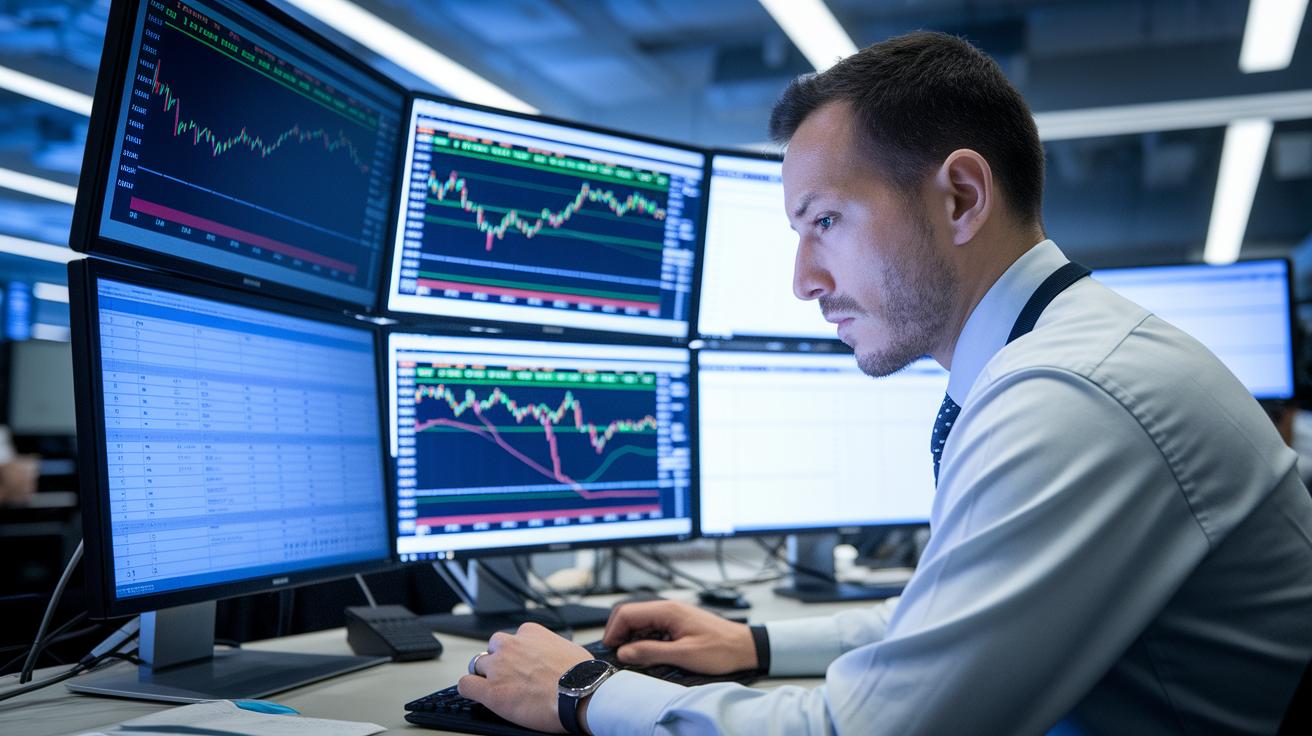
Traders and companies now use data-driven tools to keep up with constant market changes. For example, big online retailers use live analytics to adjust prices and stock levels, helping them stay competitive. This approach lets traders notice and react to even the smallest changes, almost like watching a slow-motion replay of a game.
Algorithmic trading and high-frequency strategies lead the charge in these changes. Automated systems work so fast they can execute trades in a flash. Think of it as a machine processing thousands of transactions in the blink of an eye. These methods quickly balance supply and demand, keeping the market steady. For example, an algorithm might spot a little increase in buying activity and kick off rapid trades to smooth out the flow.
Technical signal evaluations add another layer of clarity. By using technical indicators (which are tools that show market trends), traders can pinpoint when a trend might flip or a key market level is reached. Some advanced algorithms even highlight short-term price swings, giving a clear cue for when to act. In short, these tech innovations show that success isn’t just about fast reactions, it’s also about having a clear picture of the market.
Final Words
In the action, we broke down how economic indicators, supply and demand forces, investor sentiment, and regulatory changes shape market behavior. Each section drilled into real market drivers, from interest rate moves to advanced data insights. We unpacked the key elements that affect shifts in market pulse.
Every factor affecting market pulse plays a role in determining trends and market responses. The insights shared here equip you with a clear view of shifting market dynamics, leaving you optimistic about making informed digital asset decisions.
FAQ
What are the four factors affecting market demand?
The question about the four factors affecting market demand points to supply and demand fundamentals, central bank policy, consumer confidence, and tariff changes that shape how much buyers are willing to purchase.
What is the meaning of market pulse?
The question regarding the meaning of market pulse explains it as a gauge of overall market sentiment and activity, reflecting economic conditions, investor behavior, and trading trends.
What factors affect market behavior and efficiency?
The question on factors affecting the market and its efficiency highlights supply and demand forces, investor sentiment, regulatory changes, and technological advancements that enhance the smooth operation of markets.