Ever thought that a steep drop might hide a chance for growth? Recently, a sudden market pullback wiped out more than US$5 trillion in just a few days, and many investors felt the sting. But sometimes, a setback can clear the way for a rebound. When we look at economic signals and watch what key financial players are doing, we can see that these dips often make way for a recovery. This article shows how understanding these shifts might offer hope, even during stormy times.
Understanding Market Sell Off: Causes, Scale, and Immediate Impact

A market sell off happens when many investors quickly pull out their money, causing prices to drop in a very short time. Recently, a US$5 trillion decline hit global markets, driven by growing fears over trade conflicts. In just a few days, more than US$5 trillion in value evaporated, shaking investor confidence and forcing everyone to rethink risk.
This shock comes from a mix of weak economic reports and conflicting signals from central banks. Soft U.S. job numbers have led some to believe that the Federal Reserve might lower interest rates, which only adds to the uncertainty. And when investors piled into carry-trade strategies, especially with currencies like the Japanese yen, the situation grew even more fragile. Then the Bank of Japan surprised everyone by raising rates, sending ripples through Japanese stocks and heightening global volatility.
Analysts now use a simple volatility assessment framework to track just how quick price moves can trigger a domino effect across different markets. This recent downturn shows not only the sheer size of the sell off but also how connected global markets really are. Sectors with high exposure to trade pressures, such as oil and gas, felt these shocks very sharply. Even small bits of bad news can lead to big swings when investor sentiment is on edge.
These events remind us that staying informed and managing risk is essential in unpredictable markets. By understanding these dynamics and using practical tools to gauge volatility, investors can be better prepared for sudden market drops. This careful breakdown, from unexpected central bank moves to mixed economic signals, sums up the fast and far-reaching impact of today’s market sell off.
Historical Market Sell Off Trends and Key Lessons
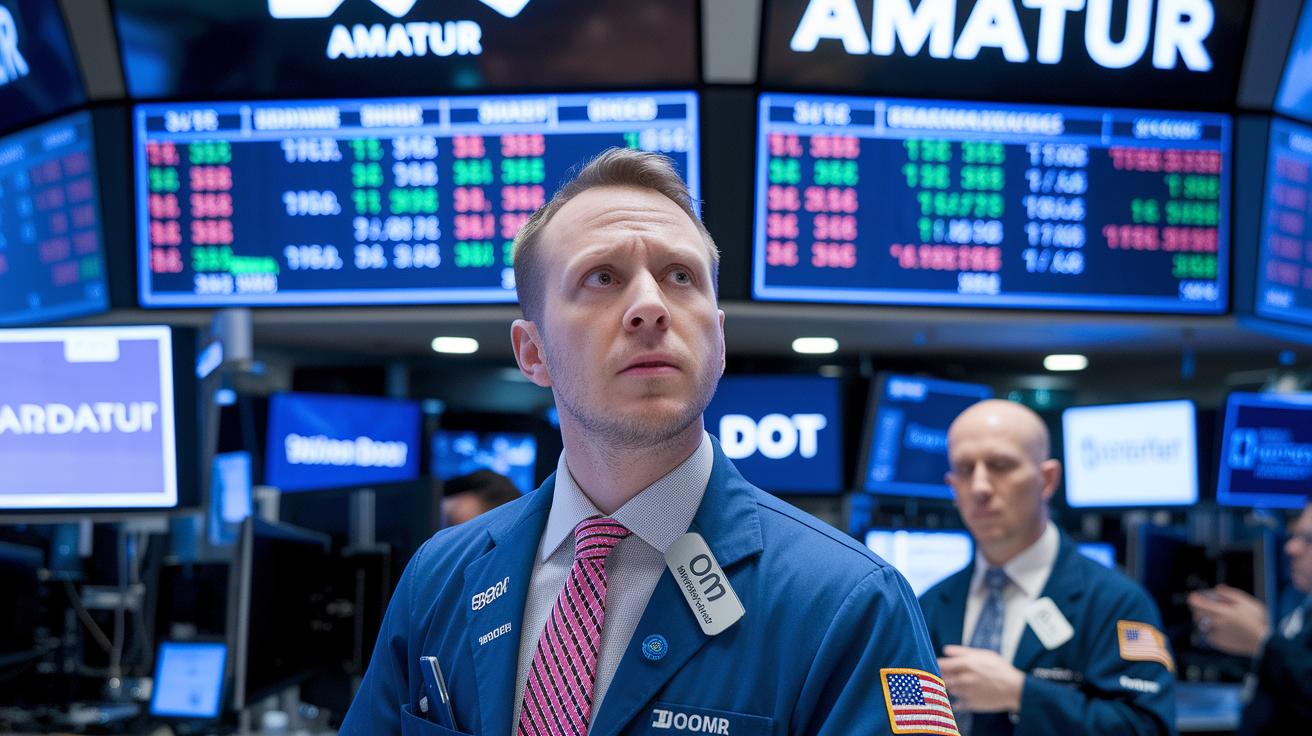
During the 2020 COVID downturn, the S&P 500 fell 34% in just over one month. That sudden drop shows how fast panic can lead to bigger losses when decisions are driven by emotion instead of a clear game plan. It’s eye-opening to think that many experts, who once expected steady gains, saw their confidence vanish in only a few weeks.
This experience offers a few important lessons. First, having a set risk plan is crucial. When you stick to a predefined strategy, it helps keep impulsive choices in check during steep price drops. Imagine a pilot following a strict checklist in the midst of a storm, having that plan can truly make a difference when the situation gets rough.
Consider these key points:
- A solid, plan-based approach can keep panic-driven moves at bay.
- Maintaining a balanced portfolio and having clear exit strategies can lessen the impact of sudden declines.
- Learning from events like the COVID downturn reminds us that decisions made in a rush often end up deepening our losses.
In short, these insights remind us to lean on discipline and a well-thought-out strategy during market ups and downs. Instead of being swept away by fleeting market moods, a focused plan can guide us through even the toughest downturns.
Sector Performance Shifts During a Market Sell Off

Oil and gas stocks led the drop as worries over trade issues weighed on investors. Their values fell quickly when news of worsening trade conflicts hit the headlines. It was almost as if oil prices tumbled one after another, just like a row of dominoes falling after a sudden announcement.
Electric vehicle stocks did not do much better. With growth forecasts looking dim, investors grew cautious about the companies’ future profits and production abilities. That caution slowed down the buying activity, and some compared the decline to a car that suddenly loses speed on a wide-open road.
Banks felt the pinch, too. Shifts in interest rates made pricing loans and other financial products very unpredictable. As a result, major bank stocks became more volatile, adding to the overall instability in the market.
Japanese stocks and even their currency faced similar pressures. A surprise rate increase by the Bank of Japan stirred up stress and reminded everyone that a change in one market can quickly affect others, including currency values and investor confidence. This shows just how interconnected different sectors can be during tough times.
Overall, the struggles in each sector sparked a chain reaction across global markets. When one industry stumbles, others often follow, making it clear that in a global downturn, everything is closely linked.
Investor Psychology and Sentiment in Market Sell Off

When markets take a steep dive, our minds often play tricks on us. Many traders find themselves panic selling or holding onto cash instead of following a clear strategy. In these moments, fear can easily steer decisions. One trader even admitted, "I saw prices dropping fast and sold everything without a plan, and then watched the rebound from afar."
Real-time news and social media also stir up this kind of reaction. A single viral tweet can spark a chain of sales, making it hard to stick to a thoughtful plan. It feels like one quick post can set off a storm of selling in just minutes.
Surveys that track investor moods reveal how quickly panic and negative feelings can spread during a downturn. In other words, once negativity starts, it can spread as fast as the market falls.
Here are some common pitfalls:
| Pitfall | Outcome |
|---|---|
| Panic selling | Deepens losses |
| Hoarding cash | Missing the recovery |
| Impulsive decisions | Lack of strategy |
By watching these sentiment clues and keeping our emotions in check, we can avoid the herd mentality and better protect our portfolios, even in challenging global markets.
Central Bank and Policy Intervention Amid a Market Sell Off

Central banks react differently when market confidence drops. Some choose to tighten rules to cool off rising prices, while others inject liquidity to help stabilize confidence. Interestingly, research shows that when banks work together, bond spreads narrow by almost 30%, signaling improved market sentiment.
Market trends reveal that those banks blending rate changes with liquidity boosts tend to experience milder credit stress. For example, one central bank’s balanced strategy helped keep bond spreads in check, suggesting that using a mix of methods might ease long-term market worries.
Different central banks also affect one another. At times, one nation’s careful rate cuts paired with another’s measured easing have steadied investor moods more than if they had acted alone.
| Central Bank | Action | Market Outcome |
|---|---|---|
| Country X | Mixed rate changes and liquidity boosts | Bond spreads narrowed nearly 30% |
| Country Y | Strict rate hikes | Higher credit stress |
| Country Z | Balanced policy approach | Stable investor confidence |
These insights remind us that well-considered central bank moves can build trust over time. By keeping an eye on how different policy actions interact, market players can better navigate times of volatility.
Risk Management Strategies and Recovery Opportunities After a Market Sell Off

When markets take a big drop, keeping your money safe becomes the number one task. One useful trick is to lean on equity bonuses, like stock options or deferred awards, which can give you extra cash when your portfolio is sliding. This extra cushion can help you avoid the need to sell your holdings at a loss when the market gets rough.
A smart move is to use tax-friendly methods and employer perks to soften the blow of a market downturn. Many investors now turn to workplace equity plans to spread out their risk while still having access to funds when they need them. These plans work like a backup, ready to help when market trouble comes knocking.
It also makes sense to build a sturdy defense by spreading your investments across safe havens. For example, adding assets like gold to your portfolio can help reduce losses when stocks are under pressure. Think of it like not putting all your eggs in one basket. Having some money in gold can keep things steady when other parts of your investments are struggling.
Keeping an eye on technical support levels can be very helpful as well. When you watch for signs like momentum changes and price floors, you might spot good chances to buy after a drop. It’s like noticing the speedometer slowly climbing after a car has slowed down on a steep hill, it tells you the time might be right to get back in the game.
Key strategies to consider:
- Use equity compensation to boost your cash flow.
- Spread your investments into safe havens, such as gold.
- Watch technical signals to find good entry points.
By mixing these risk management tricks with a clear plan to protect your portfolio, you can not only ride out a rough patch but also set yourself up for a brighter comeback.
Final Words
In the action, we examined the mechanics behind a market sell off and saw how past events, sector shifts, investor behavior, and policy moves shape immediate market responses.
We also highlighted risk management strategies that provide room for recovery and growth.
This discussion brings together historical insights and modern tactics to offer a clear view for planning ahead.
Keep learning and applying these practical ideas, you’re set to build a strong, informed digital portfolio.