Have you ever thought your money could really make a difference? Ethical investing is more than just a financial move; it is a heartfelt step toward a brighter future. By picking companies with clear goals for the environment (taking care of nature) and society (making life fairer for everyone), you can earn steady returns while doing good. Instead of supporting businesses that harm our world, you can choose ones that help create a healthier planet.
This guide gives you easy, practical steps to begin ethical investing with confidence. We mix simple research with your core values so that every financial decision you make turns into a smart, meaningful action.
Starting Ethical Investing: A Practical Beginner’s Guide
Ethical investing is about aligning your money with what truly matters to you. It mixes traditional financial planning with your heartfelt values. You do this by looking at ESG factors (environmental, social, and governance, simple measures of things like a company’s carbon output, worker treatment, and fairness).
One smart method is negative screening. That means you skip companies that hurt our planet or society, such as tobacco or arms makers. On the other hand, positive screening helps you pick companies that score high on ESG checklists. With ESG integration, you weave these ethical ideas into your regular money analysis. You can also dive into Socially Responsible Investing (SRI) or impact investing, like choosing renewable energy stocks aimed at cutting pollution.
Studies show many ethical funds perform just as well, or even better, than standard benchmarks. It’s interesting to note that early investors found mixing personal values with investments could yield strong, steady returns. Ethical investing lets you aim for profit while making a positive change.
Consider these initial steps:
- Figure out what values matter most to you.
- Look into different strategies, such as negative screening or impact investing.
- Research funds or stocks using clear ESG ratings.
- Keep an eye on your investments with tools like quarterly reports to ensure they stay true to your ideals.
Taking these steps helps you step into ethical investing with confidence, knowing you’re building a portfolio that supports both your financial goals and your personal values.
Defining Ethical Investing Principles and ESG Integration
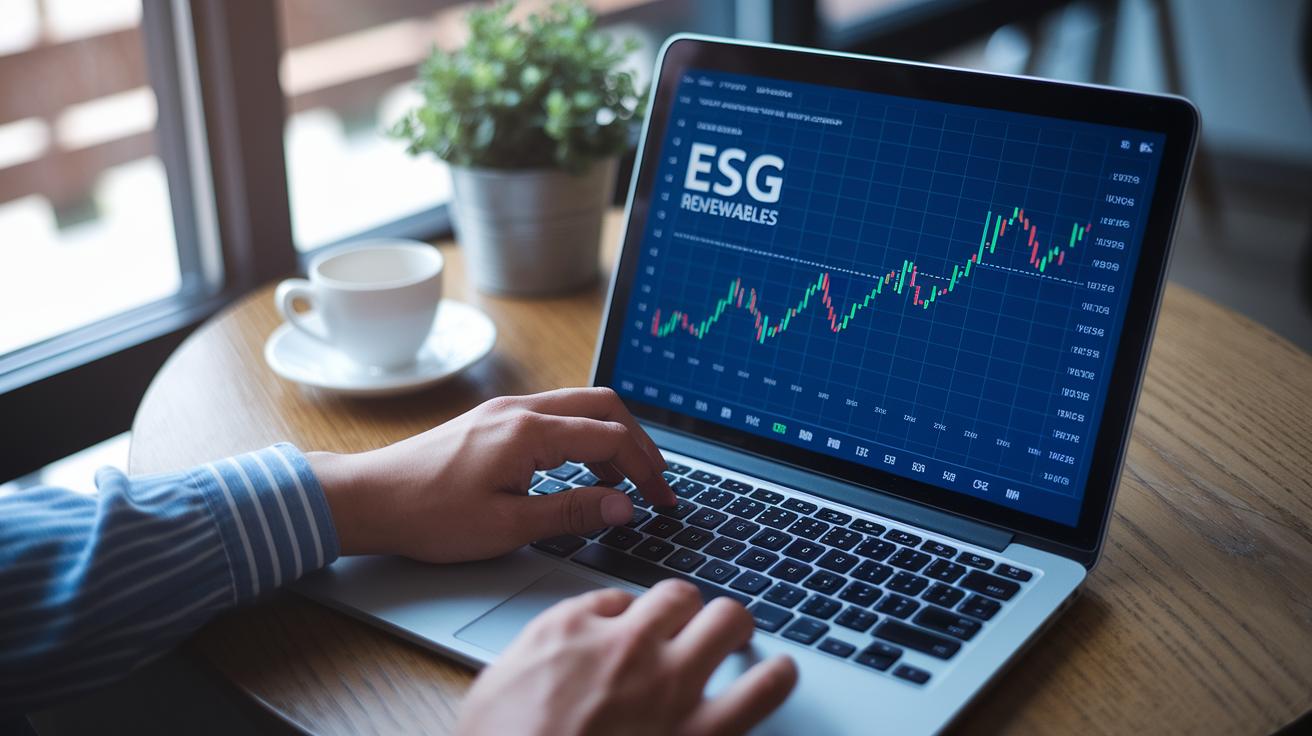
Ethical investing is all about looking after our world, caring for people, and running businesses responsibly. It means taking concrete steps like lowering emissions, ensuring fair treatment of workers, and having clear, honest leadership. Think about a company that cuts its pollution so much the local air feels cleaner, that’s real environmental care.
ESG (Environmental, Social, and Governance) factors help us see these ideas in action. They break down into simple pieces like how much carbon a company emits, worker safety standards, diversity on the board, and ethical supply-chains. These details help investors weigh the true impact of different companies. Ever imagine comparing two factories, one that treats its workers well and another that falls short? The numbers really tell a story.
Active ethical funds are like hands-on managers who check companies’ ESG scores all the time, shifting investments to stick with their values. On the other hand, passive ethical funds follow indexes, meaning they track companies with a history of good ESG practices without constant tweaking.
When you mix solid data with strong values, your money can work for both profit and the greater good. Look at ESG reports, compare companies’ carbon footprints, and build a portfolio that not only grows your wealth but also helps the planet and people.
Exploring Ethical Investment Strategies: SRI, ESG, and Impact
Ethical investing today goes beyond the basics. It builds on classic methods like SRI, ESG (environmental, social, governance) integration, and impact investing. New tools, such as AI (computer programs that scan huge amounts of data in real time), are helping investors see company details in fresh ways. In Q2 2023, funds using these AI-powered ESG metrics beat their traditional counterparts by over 7%.
SRI remains a trusted approach by avoiding companies in sectors like tobacco, weapons, and fossil fuels. Now, it’s evolving to cover emerging risks like data privacy breaches. Imagine comparing a standard company profile with another that buzzes with real-time alerts on regulatory changes – a little extra detail that might just refine your decision.
ESG integration is also stepping up its game. Merging updated third-party ratings with smart, algorithm-based insights, investors are now tuned into cues like board transparency and digital security practices along with tried-and-true metrics such as carbon emissions and labor standards. Picture an alert that pings you the moment a company’s environmental data makes a significant shift – it adds a real layer of clarity.
Impact investing has grown sharper too, with measurable, data-driven insights on environmental and social benefits. Renewable energy projects, for instance, are tracked with live data that shows reduced emissions and positive community impacts as they progress. Think about investing in a solar initiative where your app updates you in real time as energy savings and local job growth hit new records.
| Strategy | Advanced Technique | Example |
|---|---|---|
| SRI | AI-driven Negative Screening | Screening for digital data breaches and emerging regulatory risks |
| ESG Integration | Real-time Algorithm Insights | Monitoring board transparency and cybersecurity alongside emissions |
| Impact Investing | Data-Driven Outcome Measurement | Live tracking of renewable energy projects’ environmental benefits |
With these advanced tools, investors can truly master responsible asset management. It’s all about learning impact-driven strategies and diving into value-based investment education. Today’s methods push past basic screening, offering real-time analytics that deliver clear signals on both financial returns and ethical performance.
How to Start Ethical Investing with Confidence

Ethical investing lets you use your money for both potential gains and causes you care about. It’s like making your cash work double time, earning returns while supporting good practices. There are different products to match different needs and goals. For example, mutual funds and ETFs offer a mix of investments that include companies with top ethical standards. Stocks & Shares ISAs are popular with newcomers because they have low fees and let you grow your money tax‐free. Then there are SIPP pension plans that even add a 25% government boost on your contributions. If you’ve maxed out your ISA, options like Junior ISAs and General Investment Accounts open up further possibilities.
Take a moment to look at these choices. It’s a bit like picking the right tool from a toolbox, each one brings its own benefit to build an ethical portfolio. Ever notice how some funds not only aim for strong returns but also keep the planet and people in mind? Many who try ethical investing find that funds based on responsible practices can perform just as well as regular funds, all while supporting positive change.
Some active ethical mutual funds have managers who keep a close eye on ESG (environmental, social, and governance, which means looking at how companies care for the environment, treat their workers, and run their business). They regularly tweak strategies based on a company’s performance in areas like carbon emissions, labor practices, and honest leadership. On the other hand, passive ESG ETFs follow established market indexes by choosing companies already known for strong ethical records.
| Product | Key Benefit |
|---|---|
| Mutual Funds and ETFs | Provides a varied, ethical mix of investments |
| Stocks & Shares ISAs | Invest in a tax-friendly way with low fees |
| SIPP Pension Plans | Enjoy a government top-up on your contributions |
| Junior ISAs | Lay the groundwork for young investors’ futures |
| General Investment Accounts | Keep exploring investment opportunities after ISA limits |
Recent updates even broke down topics like share trading and inheritance tax, with details coming out as recently as mid‐2025. By checking fee details, performance trends, and tax effects, you can decide which product fits your overall plan. In truth, when you match your investments with your values, it feels a lot like putting your money where your heart is.
Screening and Selecting Ethical Stocks and Funds
Screening ethical stocks and funds is all about using fair rules and modern methods to find top companies. You might use negative screening to leave out firms in tobacco, weapons, or heavy-carbon fields, or go with positive screening by checking ESG scores (a simple measure of a company’s care for the environment, social issues, and good governance). Now, investors also have fresh ways to spot strong picks.
Recent examples show that smart data analysis can catch small changes in a company’s ethical actions. For instance, one clean energy firm quickly moved from okay to impressive in how it treats workers and runs its business, a change that regular ratings might not catch.
Machine learning (computers learning from data) now watches ESG performance and market mood in real time. This tool helps active funds adjust their holdings when a company’s score drops, while passive funds refresh their benchmarks with the latest insights.
| Screening Approach | New Insight |
|---|---|
| Traditional Screening | Relies on fixed ESG scores and basic prospect data |
| Advanced Analytics | Uses live data and machine learning to track improvements |
Mixing these new methods with old screening techniques gives you a clearer picture of a company’s ethical record, making it easier to choose investments that fit your values.
Assessing Risks and Avoiding Greenwashing in Ethical Investing

Ethical investing sometimes costs more because it involves extra research and constant check-ups. Fund managers often put in more time to make sure that each investment really meets ethical standards. For example, one fund may charge higher fees because it carefully monitors environmental effects. That extra cost might seem steep at first, but it often brings better returns when risks are taken into account.
Greenwashing is another risk you need to watch out for. It’s like buying something that promises more than it can give. Always stay alert and check third-party certifications to be sure that a company’s sustainability claims match up with independent reviews, just like reading a label before you buy a product.
Here are some best practices to follow:
| Step | Action |
|---|---|
| 1 | Compare net expense ratios to see if higher fees lead to better performance. |
| 2 | Review risk-adjusted return data that includes both market performance and ethical measures. |
| 3 | Rely on solid third-party reviews and certifications to spot genuine sustainability efforts. |
This step-by-step approach helps you manage risks related to the environment and social impact. Keeping an eye on these details is a strong way to protect your investments while you work toward your ethical financial goals.
Building and Monitoring Your Ethical Investment Portfolio
Start by planning regular check-ins to see if your investments still match both the market trends and your ethical beliefs. Try meeting every few months using ESG reports (that’s Environmental, Social, and Governance info) along with independent rating updates. It’s like checking a weather report, clear skies in emissions but maybe a sprinkle in community impact.
Set clear rules for your portfolio and make time to rebalance once a year. Think of rebalancing like resetting a board game strategy; you’re keeping moves in line with your financial goals and your values.
Here’s a simple checklist to keep an eye on things:
- Look over quarterly ESG reports.
- Check updates from independent rating sources.
- Track progress using impact measurement dashboards.
- Review your target allocations once a year.
| Metric | What to Watch |
|---|---|
| Carbon Emissions | Smooth, steady drops mean green success |
| Community Development | Look for steady gains in local projects and social impact |
And as the market or your values change, make the necessary adjustments. Regular portfolio reviews help you catch issues early and celebrate wins, ensuring your investments grow in value while staying true to your commitment to ethical growth.
Using Tax-Efficient Accounts for Ethical Investing

Looking at ethical investing today can feel a bit like navigating a maze, especially when you want to make your money work smartly for a better future. You’ll find details on Ethical Stocks & Shares ISAs, Ethical SIPPs (a type of pension account that lets you invest ethically), Junior ISAs, and General Investment Accounts in our 'How to Start Ethical Investing with Confidence' guide.
There are some new tax rules in play that affect long-term planning and estate issues. Think about changes in share trading and even inheritance tax coming into effect from mid-2025. These updates can change the way you set up your portfolio for growth.
When you’re fine-tuning your strategy, be sure to consider these tax shifts. For instance, one investor shared, "I updated my plan after the 2025 tax changes, moving more funds into my Ethical SIPP to tap into a 25% government boost along with the revised inheritance rules."
Keeping up with these tax updates can really help you stay on course. It ensures that your ethical investment plan remains clear, solid, and ready for the future.
Final Words
In the action, this article broke down key ethical investing steps into bite-sized pieces. We explored screening ethical stocks and building a portfolio that aligns with personal values, while also handling risk and using tax-efficient accounts. Clear strategies and actionable insights can boost your market confidence and sharpen your financial analysis mastery. Remember, these lessons serve as an easy guide on how to start ethical investing and grow your skills in modern digital finance. Embrace the process, keep learning, and enjoy the progress ahead.
FAQ
How do I start ethical investing?
Starting ethical investing means learning the basics, checking Reddit groups for practical advice, and reviewing beginner guides. The focus is on strategies like ESG screening and impact investing.
What are some examples of ethical investments?
Examples include ESG exchange-traded funds (ETFs) focused on strong environmental and social practices, SRI mutual funds that screen out harmful sectors, and impact investments in renewable energy projects.
Which ethical stocks are promising for 2025?
Ethical stocks for 2025 are those with robust governance and ESG ratings. Investors should review current performance reports to choose stocks that align with their moral and financial goals.
What exactly are ethical investing funds?
Ethical investing funds are vehicles like mutual funds and ETFs that invest in companies meeting strict ESG guidelines. They combine a commitment to value-based principles with competitive financial returns.
How much do $1000 monthly investments grow over 30 years?
Investing $1000 a month for 30 years at an average annual return of about 7% can grow to roughly $1.2 million, showing the benefits of regular contributions and compound growth.
What does the 7% rule in investing mean?
The 7% rule signifies that after fees and inflation, an annual return of about 7% is viewed as a solid benchmark for long-term performance and reliable growth.
Can ethical investing be profitable?
Ethical investing can be profitable by merging strong ESG metrics with sound market strategies. Research shows that many ethical funds match or even outperform traditional portfolios over time.