Have you ever noticed how making fast decisions in investing can sometimes lead to big wins? Think of each market trend as a little hint in a mystery. Investors are like detectives, gathering bits of information to spot changes before they happen.
Using market trend analysis (a method to study data to foresee market shifts) gives you fresh insights. It helps you see changes in what people buy and shifts in the economy. This method can lower your risk and reveal exciting new opportunities in a market that’s always changing.
Market Trend Analysis: A Strategic Overview for Investors and Businesses
Market trend analysis helps us notice shifts in the way people shop, think, and act. It’s not about pausing time with a single snapshot; it’s more like watching a movie where every scene brings a new twist. Imagine a startup with a clear goal, checking if people in a new area are interested, and that team keeps an eye on fresh data day in and day out. For example, one local coffee shop saw a quick 25% jump in searches for eco-friendly packaging and changed their plan on the spot. It shows that having a clear aim, whether it's trying out a new market or understanding customer values, can turn into real decisions.
Using market trend analysis means investors and businesses can catch the buzz in real time. You start by setting a sharp goal and then gather data all along the way. This way, the signals you pick up really match what’s going on in the market instead of being just one-off events. If you want to dig deeper into the basics, you can explore what market analysis really means on our website.
Breaking down the data into groups, like age, where people live, or their attitudes, helps to pinpoint what's behind the changes you see. Say, for instance, if digital payments suddenly become popular with millennials while older folks stick to other methods. That information can quickly steer product tweaks or marketing moves.
In the end, market trend analysis is a constant, data-driven tool that guides smart moves. It looks at economic ups and downs, investment habits, and price moves so that choices aren’t just guesses but ideas based on clear signals.
Benefits of Market Trend Analysis for Risk Management and Competitive Edge

Market trend analysis helps investors catch early warning signs to keep risk low. It’s like noticing the first hint of a storm before it hits, making decisions that aren’t just guesswork, but are based on real signals. For example, when a company sees more people searching for contactless payments, it can quickly adjust its services. One big retailer even noticed a 30% jump in searches before overhauling its payment system. Really, these early clues can be a game changer.
Data-driven insights make it easier to predict how new products or campaigns might perform. Using tools like business diagnostics (which checks how the market is changing) and investment momentum reviews (which track how money is moving), leaders get a clear picture of risk and reward. They then use this clear, fresh data to fine-tune their strategies. This way, teams stay ahead of the competition by spotting opportunities and challenges early on.
Real-world examples show that quick, smart moves based on up-to-date trends can protect profit margins. When businesses keep an eye on trends in real time, they can tweak their offerings by relying on fresh, actionable data instead of old snapshots. In truth, this proactive approach not only smooths out tough patches but also helps companies meet new demands quickly, giving them a solid edge in fast-changing markets.
Types of Market Trend Analysis and Key Trend Categories
Consumer trends show us how what people buy and enjoy can change quickly. Imagine eco-friendly products suddenly becoming popular, shoppers switch, and companies need to tweak what they offer.
Historical trends look at long-term patterns. Think of a decade-old cycle where vintage items always catch on. Tracking these shifts helps businesses mix a bit of nostalgia with modern style.
Geographic trends split data by region. For example, urban areas might start loving smart home tech, while folks in rural places stick with classic appliances. This lets businesses target their ads and products just right.
Seasonal trends highlight changes at certain times of the year. Picture summer bringing a spike in warm-weather gear. Recognizing these patterns helps companies plan their stock and marketing efforts.
Technological trends focus on new innovations. When something like wearable tech becomes a hit, it changes how different groups shop almost instantly.
Demographic trends pay attention to changes in groups defined by age, income, or lifestyle. Younger buyers boosting streaming services, for example, might push companies to shift from old cable offerings to new digital ones.
Social media trends capture what's buzzing online. A catchy hashtag or viral meme can suddenly make a product a must-have for everyone.
Economic trends examine big-picture factors like GDP, employment, and changes in fiscal policy. Understanding these helps companies guess when consumers will cut back or when spending might surge.
Competitive trends watch what rivals are up to. Keeping an eye on competitors can signal when it’s time to refresh your own strategy.
Environmental trends focus on rules and green initiatives. A new eco-law might spark a rise in green products, showing how quickly the market can change.
All these trend types come together to create a clear view of the market. They mix studies on economic shifts, price changes, and market mood to guide smart, strategic moves.
market trend analysis: Fresh Investment Insights

Set a clear, actionable goal. For instance, you might decide, "Test market demand for digital finance tools in emerging urban centers over the next quarter." Begin with a simple focus like, "Before big policy changes, a small spike in retail demand hinted at a deeper interest, which then guided our product strategy." This builds on what you already set without repeating ideas.
Next, mix old and new techniques when gathering data. Combine classic methods like surveys and web analytics with AI-powered dashboards (tools that use smart software to track market changes in real time). These modern tools, as mentioned at https://ontheblockchains.com?p=1291, even include alerts and predictions to help you spot the trends that really matter.
After that, refine your approach by sorting your data. Instead of just grouping by region, age, or buying habits, look at new patterns emerging from forecast models and moving averages. Ever wonder, "Are tech-savvy buyers leaning more towards decentralized finance services?" Asking this gives your data a fresh twist and makes your segmentation more insightful.
Finally, focus on steady market signals instead of one-off spikes. Today’s tools help you tell apart short bursts from real, lasting trends using smart chart pattern techniques. For example, one week of increased online activity revealed a growing interest in digital finance products, not just a temporary rush. This careful look at the data can really boost your decision-making without redoing old ideas.
Advanced Forecasting Techniques: AI-Driven and Quantitative Models
Machine learning forecasting turns huge heaps of data into clear, actionable signals. These smart models do more than just create simple charts, they detect hidden patterns that aren’t obvious at first glance. For example, one model sifted through info from over 230,000 consumers to deliver quick insights you can act on. This kind of automated signal detection helps you notice market changes much faster.
Time-series analysis and regression forecasting work together to show how one factor can affect another. When you combine these methods, the overall picture of market cycles becomes a lot clearer. Using real-time data, AI-driven cycle prediction sends out alerts that feel like a smart assistant giving you a heads up before a new trend takes off.
Quantitative model appraisal lets teams line up different forecasts side by side. By tweaking the models with advanced calibration, error margins shrink, which makes the predictions more trustworthy. Automated detection speeds everything up so you’re always working with the latest numbers.
In a nutshell, machine learning forecasting and quantitative models bring a fresh perspective that manual analysis just can’t match. The result is faster and clearer insights to help you make smarter investment decisions in today’s fast-paced financial world.
Industry-Specific Case Studies in Market Trend Analysis
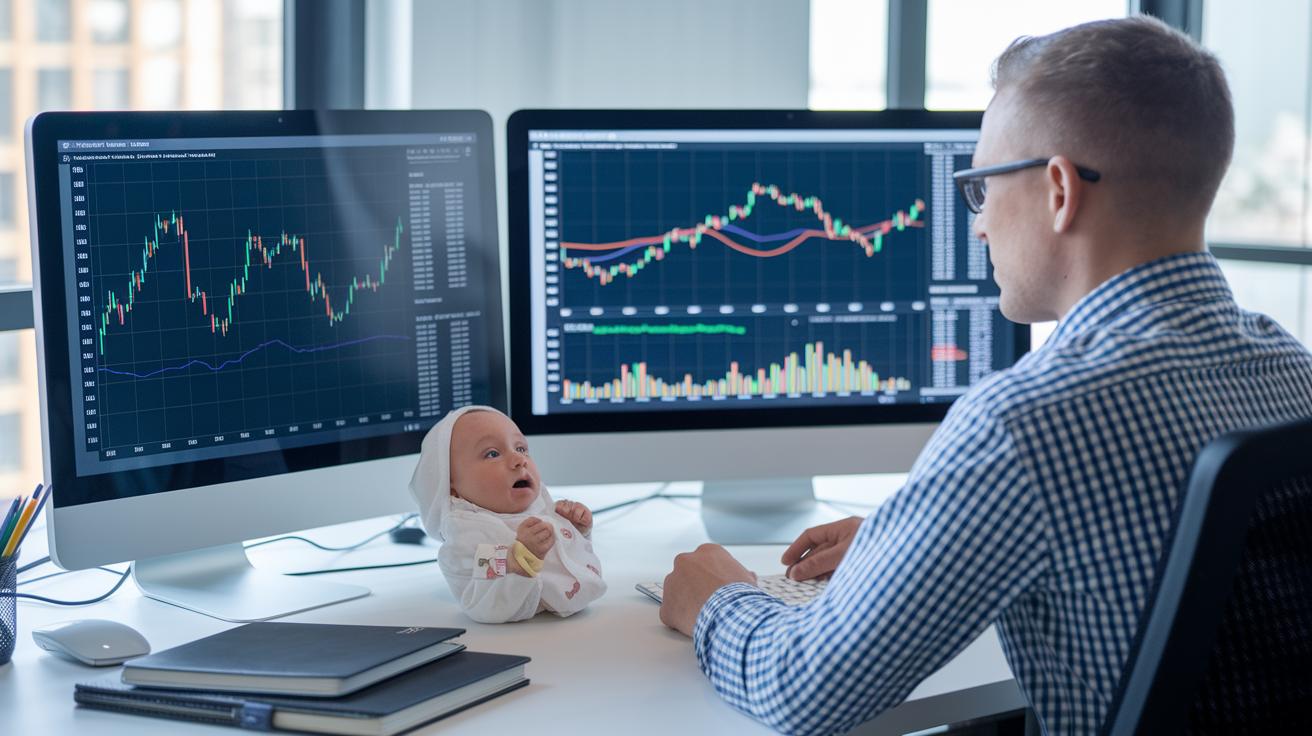
The media world is changing fast. The 2025 US Media Consumption and Spending Trends Report shows that digital viewing is taking over. More people are ditching fixed TV schedules for streaming services. Economic forecasts for the next five years back up these shifts, giving investors a clear picture of the future.
In consumer goods, baby products are on the rise. From toys to health tech and wearable monitors, growth has been around 12% since 2021. Companies are tuning into these trends to serve young families better. One brand said early survey hints about connected baby monitors sparked a whole new market direction.
Tech startups are turning heads too. In beauty technology, AI personalization tools (tools that use computer algorithms to tailor products to individual tastes) are pushing revenue gains by about 8% every year. A ranking of 25 fast-growing startups shows that fresh ideas and good market data can turn small ventures into major players. A survey capturing spending habits from 230,000 Gen Z voices provided clear signals about what next-generation consumers want. One startup leader remarked that seeing their growth shift helped them pivot quickly and grab new opportunities.
| Industry | Key Trend | Data Source |
|---|---|---|
| Media | Digital consumption surge | 2025 Trends Report |
| Consumer Goods | AI-driven personalization | Beauty Tools Analysis |
| Startups | High-growth ranking shifts | Gen Z Survey |
Best Practices for Continuous Market Trend Analysis and Action
Keep your market checks on a regular schedule. For instance, do a quick review every day, a summary every week, and a deeper look every month. Imagine starting your day by glancing at real-time prices, then later checking live charts to see how things have shifted during the day.
Live dashboards are a must. Watch them carefully so that you can react in hours, not days. A quick look at intraday shifts helps you catch sudden changes, making sure your fast decisions are backed by real data instead of just one-off signals.
Make sure to double-check your work. Compare the numbers you get from weekly measurements with feedback from customers. Think of it as a balance, a way to sort out genuine indicators from just passing noise.
Keep a record of your old reports. This way, you can look back and see if your predictions were right, and adjust your methods as needed.
Share these regular updates with everyone on your team. When both marketing and product groups get the latest trend information, they can quickly tweak their strategies to match what the market is really doing.
In truth, blending real-time monitoring with solid, periodic reviews not only sharpens your market insights but also makes sure each decision is built on the freshest, most relevant data.
Final Words
In the action, we saw how market trend analysis clarifies the flow of consumer habits and strategic shifts. The article outlined key methods, from data gathering to AI-driven forecasts, and showcased real examples from media to tech startups. We broke down segmentation, continuous monitoring, and innovative tools that turn complex signals into clear actions. The ideas here boost your confidence in making timely, informed choices while exploring the dynamic world of digital finance. Keep these insights close, and enjoy the positive power they bring to your trading strategies.
FAQ
What does market trend analysis today entail?
The market trend analysis today involves spotting patterns in consumer behavior, pricing shifts, and market activity using data tools. It helps businesses make well-timed, strategic decisions based on current market signals.
Where can I find a market trend analysis website?
The market trend analysis website offers interactive dashboards, real-time charts, and data insights to help users track market changes and tailor their strategies quickly based on up-to-date analytics.
What are some market trends analysis examples?
The market trends analysis examples include tracking seasonal demand fluctuations, regional purchasing changes, and shifts in consumer preferences. These real-life cases guide businesses in adjusting product offerings and marketing campaigns.
Which market trend analysis tool is popular?
The market trend analysis tool often features real-time data dashboards and statistical models that filter out noise and spotlight consistent shifts. Users rely on these tools to gain clear, actionable insights.
Where can I get a market trend analysis PDF report?
The market trend analysis PDF report is provided by research firms and financial platforms that compile data and insights into a formatted document, making it easy for users to review and apply key findings.
How is stock market trend analysis performed, and what examples illustrate this process?
The stock market trend analysis involves studying price movements, trading volumes, and chart patterns. It uses techniques like moving averages and regression models, demonstrating how technical signals indicate longer-term market cycles.
How does market trend analysis use AI?
The market trend analysis AI employs machine learning to process large datasets, identify subtle, non-linear patterns, and generate real-time predictive alerts, thereby empowering quicker, more informed decision-making.
What are the steps of trend analysis?
The trend analysis steps start with setting clear objectives, gathering continuous data, segmenting information by key factors, and reviewing patterns. It ends with translating insights into actionable strategies that improve business outcomes.