Ever thought about boosting your trading skills without risking your cash?
Paper trading lets you practice with fake money (a demo trading account that uses virtual funds) so you can test your moves, much like practicing your basketball shot before a big game.
Today, I’m sharing three clear wins that show how using a demo account can build your confidence and sharpen your trading strategy.
It might sound a bit odd, but trying out orders and tactics with pretend cash means you won’t feel the sting of a real loss.
Are you ready to see how dummy trades can help you make smart choices when you start trading with real money?
3 cryptocurrency paper trading Wins Big
Paper trading lets you practice trading without risking any real cash. You use pretend money (virtual funds that have no real cash value) to mimic actual market moves and order placements. It's a no-risk playground where both newbies and seasoned traders try out their ideas.
Imagine setting up a demo account on a digital asset exchange. You start with a fake balance and place orders exactly like you would in the live market. Picture approaching a wild crypto pair with a smart plan, using stop-loss and limit orders to see how your virtual trades play out. It’s like practicing your free throws before a big game, building your skill and boosting your confidence.
This kind of simulated session gives you a relaxed way to experiment. You can try out different timings for buying and selling, and explore how various order types react when the market shifts. Without the worry of losing real money, you can test bold strategies and learn from each practice move. Think of every virtual trade as a rehearsal before the real deal hits.
Using platforms like these lets you get comfortable with key trading ideas, reading charts, and managing orders, all without the stress of an immediate financial hit. It prepares you nicely for live market trading, where real cash and emotions come into play.
Key Benefits of Cryptocurrency Paper Trading
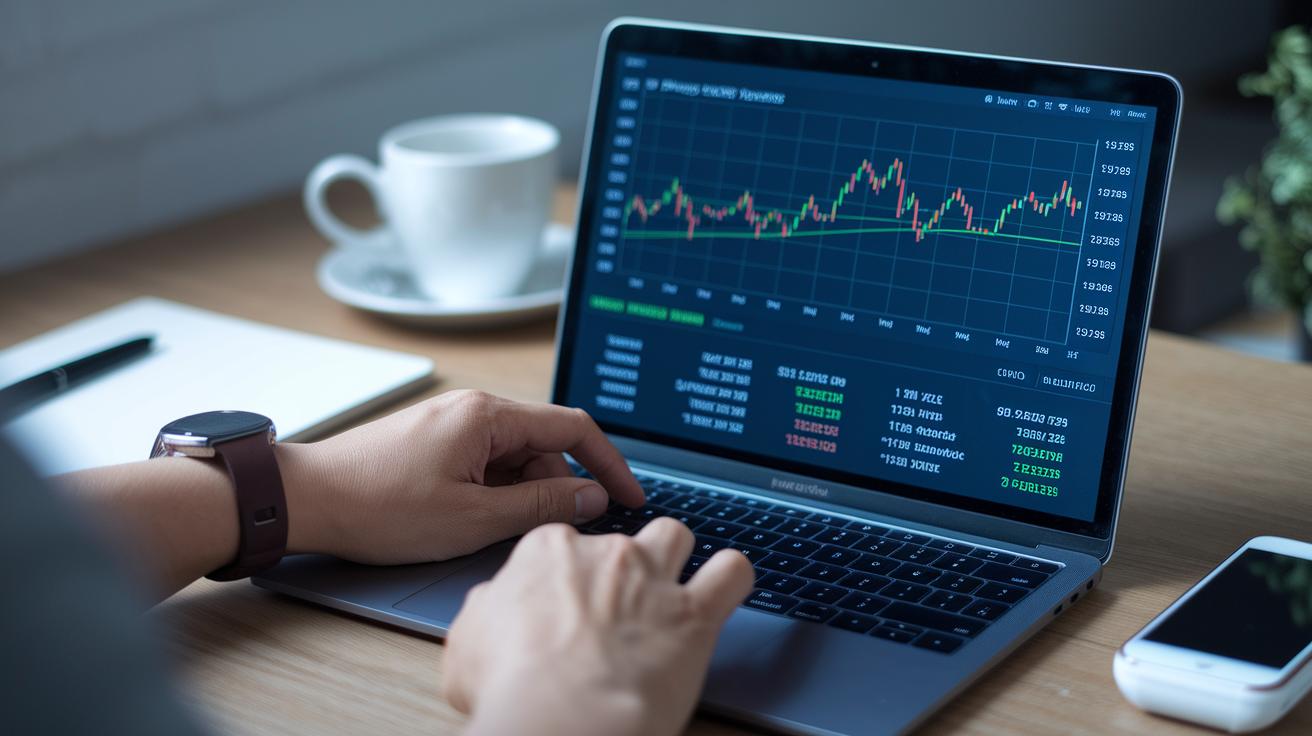
Paper trading is like test-driving a blockchain experiment without risking real cash. It lets you try out strategies such as using stop-loss orders (orders that automatically sell your position to limit losses) and choosing the best moments to enter or exit the market. I once pretended to trade with a simulated $100, treating it like the real deal, and adjusted my trades as the market shifted.
This approach builds your confidence and sharpens your trade management skills by showing you how different strategies can perform. Plus, it speeds up your learning since you get instant feedback on your decisions. But keep in mind, simulated trading might not capture real-world factors like slippage (where the trade price moves unexpectedly) or the nervous excitement you feel when real money is on the line.
- Try out various strategies without any risk to your money.
- Build up your confidence with practice trades before going live.
- Learn to manage your trades better and adjust your strategies as needed.
Top Platforms for Cryptocurrency Paper Trading
TradingView comes with a demo account that shows advanced charts and real-like order simulations. When you start a demo session on TradingView (tradingview paper trading – https://ontheblockchains.com?p=1276), you can try out many crypto pairs. Imagine testing a moving-average strategy on charts that feel almost live. It’s almost like taking a spin in a fantastic sports car.
Some centralized exchanges also offer trial modes for spot, margin, and derivatives trading. These platforms let you explore different trading methods using virtual balances. For example, you can see how various order types (market for immediate trades, limit for set-price trades, and stop-loss for controlling losses) perform in a simulation. Just try placing a simulated trade as if you were using real money to enjoy the thrill of risk-free decision making.
On the other hand, platforms like BitMEX and Bybit Testnets give you a fixed balance of 100,000 Testnet USDT for practicing futures and perpetual contracts. You need to set up separate accounts for these demo sessions, which makes them perfect for experimenting with complex digital asset trading without any risk.
It helps to compare features like available pairs, chart tools, API access (a way for your programs to connect) and community support. Each platform brings its own benefits. Check out the table below for a quick breakdown:
| Platform | Demo Balance | Key Features |
|---|---|---|
| TradingView | Varies by account | Advanced charting; multiple order types; seamless simulation |
| BitMEX Testnet | 100,000 Testnet USDT | Futures; perpetual contracts; dedicated account setup |
| Bybit Testnet | 100,000 Testnet USDT | Derivatives practice; realistic simulation; focused interface |
Taking a close look at these free crypto simulation platforms can help you pick the one that best fits your trading style, making it easier to dive into market simulations without any risk.
Step-by-Step Guide to Starting Crypto Paper Trading
-
Sign up or log on to your demo platform.
Get started by creating an account on a practice trading service. Think of it like opening a virtual coin market where you can try out trades without risking real money. Just use your email and choose a safe password. -
Set aside a virtual balance for your paper account.
Many services give you a pretend sum, like 100,000 USDT, so you can trade without worry. Imagine this as your starting pot, it feels just like planning a real investment, making every trade decision count. -
Pick a crypto pair and set up your order details.
Choose the pair of digital assets you want to trade and decide how you want to place your trade. You might choose a market order for an instant buy, a limit order to set a specific price, or a stop-loss order to sell automatically if the price drops. For example, you could set a limit order for Bitcoin at a target price and a stop-loss just below it to manage your risk. -
Place your simulated trades and watch your profits and losses in real time.
Start your trade and watch as your virtual balance adjusts with the market’s movement. It’s exciting to see your entry and exit points, just like in real trading, but in a safe, risk-free setting. -
Check out the built-in analytics or download your trade history to review your performance.
Use the platform’s tools to track your trades. Look over your wins and losses and treat it like keeping a trading diary. This helps you get better at making smart choices for future practice sessions.
Simulated vs Live Crypto Paper Trading Comparison
Paper trading might look perfect on your screen, but real trading shows a whole different story. In a simulation, everything seems smooth, almost like magic. Yet, when you jump into a live market, you quickly discover factors that a digital test just can’t capture. For instance, imagine using a scalping method (quick trades aiming for small profits). It might show perfect entries on paper, but live markets bring rapid price shifts and shallow order-book depth that can throw things off. I once heard of a trader who saw flawless execution in a simulation, only to face issues like slippage and varying fills when trading for real.
Studies and real-life cases tell us that even the best paper strategies need adjustments for live market quirks. Unexpected transaction fees and changes in liquidity can turn an optimized paper trade into a real challenge when orders delay. Simulated trades don’t include real fees or the tension of an active order book, while live markets bring actual price swings and even a bit of emotional pressure that can affect your decisions.
- Simulated trades skip real transaction fees and the pressure of a busy live order book.
- Live markets test you with genuine price changes and real stress that impact your decision-making.
One even-tested strategy that relied on split-second order fills performed impressively in a digital trial but faltered when faced with real market limitations. It goes to show that only live trading can reveal the true test of a strategy.
Best Practices for Effective Crypto Paper Trading
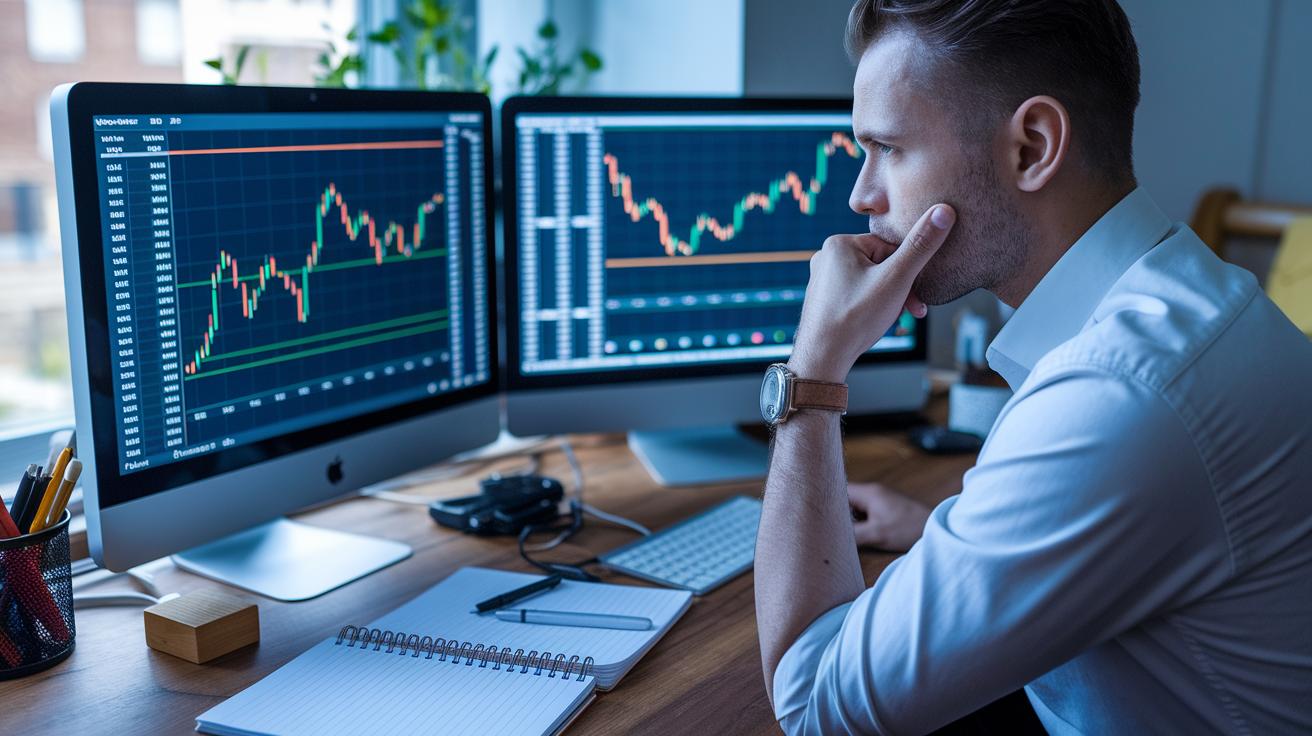
Every practice trade should matter as much as a real trade. Treat each one like you’re making a live decision. Think of it as a rehearsal shot before the big game.
- Use the same money in your demo account as you would in a live trade. For example, if you plan to invest $1,000 in reality, practice by using $1,000 in your simulation.
- Keep a simple trading diary. Write down when you enter and exit trades, note your reasons, and capture any lessons learned. It’s like having a personal log of your trading journey.
- Check your wins and losses often. If you notice certain trade types consistently lose money, consider changing your strategy.
- Decide on your risk limits and set the size of each trade before you start. This habit helps you control what you risk even when you're practicing.
- Join online groups or talk with experienced traders. Sharing your thoughts and getting feedback can help you improve and feel more ready for the live market.
Using these simulation tips can build your confidence and sharpen your skills, making the move to live trading smoother and more informed.
Case Studies: Learning from Crypto Paper Trading Experiences
Trader A used a demo on TradingView (a platform for testing trading strategies without real money) to try out a moving-average crossover plan. Over three months, this trader earned a 15% simulated return on investment by carefully choosing when to buy and sell based on clear chart signals. For example, they set up the demo so that a buy order would start when the moving average rose above the price, while a sell order kicked in when the moving average fell below the price. The charts were clear and gave hands-on experience, helping the trader adjust the strategy. It was almost like watching a well-rehearsed practice turn into a winning performance.
On the Bybit Testnet (a simulated trading environment for trying out trading without risking real funds), another trader played around with perpetual futures. Here, the main goal was to find the best leverage and figure out the right stop-loss orders (orders that automatically sell to limit potential losses). By tuning these details during demo sessions, the trader learned how to handle risk better. They discovered that even small changes in stop-loss settings could really help limit losses when the market moved suddenly. This hands-on practice helped turn a theoretical plan into a solid setup for when using real money.
- Adjust strategies to fit the specific features of each platform.
- Keep checking performance numbers to refine your approach.
- Think of every practice trade as a rehearsal that builds your confidence.
These examples show that even in a no-risk simulation, you can gain true learning. They remind us that careful review and small tweaks in your strategy can create a stronger trading base before moving into live markets.
Final Words
In the action, we explored how cryptocurrency paper trading works as a risk-free way to test and refine smart strategies. We compared top platforms and walked through a step-by-step guide that shows the real-life feel of simulated trades. Remember, every paper trade gives insights to guide future decisions. With hands-on practice and clear analysis, you can boost your market confidence and sharpen your investment techniques. Enjoy learning from every simulated win or loss on your path to financial mastery.
FAQ
What does cryptocurrency paper trading on Reddit refer to?
The cryptocurrency paper trading discussions on Reddit refer to communities sharing tips, strategies, and reviews of demo trading platforms where users test market ideas without risking real money.
What is a recommended crypto paper trading app?
The crypto paper trading app offers a simulated platform where you can practice trades using virtual funds. Users find these apps beneficial for learning market mechanics and testing strategies risk-free.
How does TradingView handle paper trading for crypto?
The TradingView paper trading feature simulates crypto trades through professional charts and real-time order types. It allows users to test strategies in a safe environment that mirrors live market conditions.
Does Binance offer paper trading?
Binance paper trading involves using demo accounts to simulate trading crypto without financial risk. This feature helps users get familiar with platforms and test trading strategies before committing actual capital.
Can you practice crypto trading with fake money?
Practicing crypto trading with fake money means using a simulated trading environment where virtual funds are traded. This approach lets traders improve skills, test strategies, and build confidence without risking real money.
Does Coinbase allow paper trading?
Coinbase does not officially offer a dedicated paper trading platform. Traders often use third-party demo apps or similar platforms to simulate Coinbase trading conditions for strategy development and practice.
Which platforms are popular for crypto paper trading?
Popular platforms for crypto paper trading include TradingView, Webull, Binance, Bybit, Cryptohopper, and Thinkorswim. These platforms provide simulated trading environments with various tools to refine trading strategies.